




What's Happening?
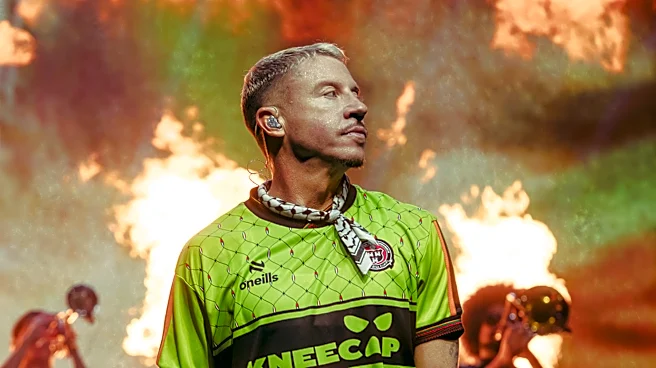
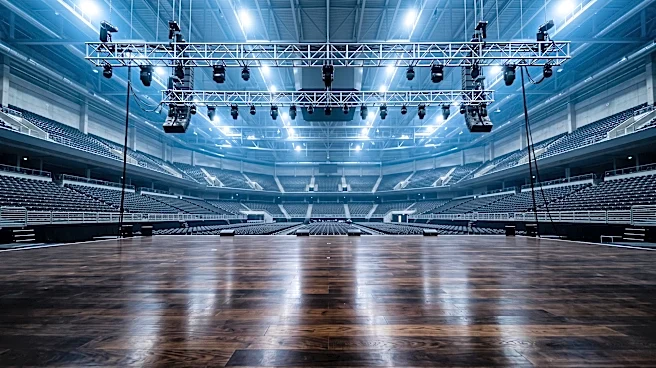
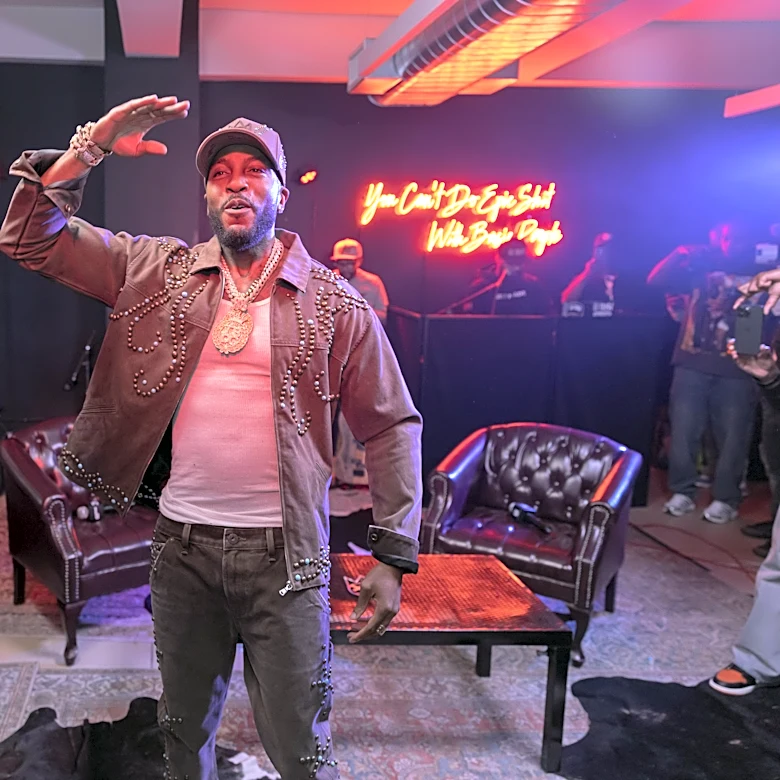
Macklemore has publicly accused several major U.S. arenas, including Madison Square Garden, Prudential Center, and Barclays Center, of refusing to book his 'Free Palestine' benefit concerts. The rapper claims that after initial availability, dates were
withdrawn once venues learned the nature of the shows, suggesting a concerted effort to silence him. He stated on Instagram that he received available dates through mid-September, but these were rescinded once the benefit for Palestine was disclosed. Macklemore asserted that this situation reflects a suppression of free speech by a 'handful of billionaires' who dictate acceptable causes. In response, a spokesperson for MSG Entertainment, which operates Madison Square Garden, stated that the venues have 'extremely limited availability' and that Macklemore is 'not an arena-level act.' This comes after Macklemore's European benefit concerts in Dublin, Paris, and London, which featured guest artists like Hozier, Kneecap, and AURORA, reportedly sold out immediately.
Why It's Important?
This dispute highlights a significant tension between artistic expression, political activism, and corporate interests within the U.S. entertainment industry. Macklemore's allegations, if true, suggest that venues may be exercising a form of censorship based on the political nature of an artist's message, potentially impacting freedom of speech for performers. The response from MSG Entertainment, framing the issue as a matter of market viability rather than political stance, underscores the commercial considerations that often govern venue bookings. This situation could influence how other artists approach politically charged performances and may lead to increased scrutiny of venue booking practices. It also raises questions about the power dynamics between artists, venue owners, and the broader political climate, particularly concerning sensitive international issues.
What's Next?
Macklemore has indicated that if arena bookings continue to be denied, he may pursue alternative venues, stating, 'We’ll probably just take that shit outside where it belonged in the first place.' This suggests a potential shift towards non-traditional performance spaces or outdoor events for his 'Free Palestine' tour in the U.S. The controversy could also prompt further public discussion and debate regarding freedom of expression in the arts and the role of corporate entities in facilitating or hindering such expression. Other artists and advocacy groups may weigh in, potentially leading to broader calls for transparency in venue booking policies or support for artists engaging in political activism. The situation may also influence future contractual agreements between artists and venues, with increased attention to clauses related to political content.
Beyond the Headlines
The incident delves into the complex interplay between commerce, culture, and political discourse in the United States. It raises ethical questions about whether private entities, particularly those holding significant market power in the entertainment sector, should be able to restrict content based on political alignment. The 'arena-level act' defense by MSG Entertainment, while seemingly a business justification, can be perceived as a way to depoliticize a potentially controversial decision. This event could contribute to a growing trend where artists use their platforms for social and political commentary, potentially leading to more direct confrontations with established institutions. It also underscores the challenges faced by artists who choose to align themselves with causes that may be divisive, risking career opportunities in the process.