







What's Happening?
Pete Townshend, the musician from The Who, owned 'The Wick,' a historic 1775 Georgian mansion on Richmond Hill, for 25 years before selling it in 2021 for offers above £15 million. Townshend acquired the property in 1996, having previously assisted in the design
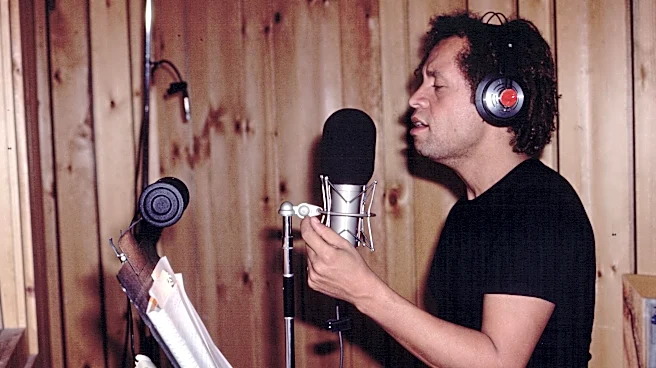
and construction of a recording studio in its basement more than two decades earlier when it was owned by Ronnie Wood. The mansion, a Grade I listed building, boasts a protected view of the River Thames and has a rich history, including being the family home of actor Sir John Mills and a hub for rock music legends in the 1970s. During Wood's ownership, the basement studio hosted numerous famous musicians, and it was where the Rolling Stones' song 'It’s Only Rock ’n’ Roll (But I Like It)' originated.
Why It's Important?
The ownership of 'The Wick' by Pete Townshend, following its tenure with Ronnie Wood and its history as a creative hub, highlights the deep connection between iconic musicians and significant historical properties. These homes often become integral to their creative processes and personal lives, embodying a piece of rock and roll history. For Townshend, living in a house with such a storied past, particularly one he had a hand in developing musically, adds another layer to his legacy. The sale of such a property, especially for a substantial sum, also reflects the enduring value of historical real estate, particularly when associated with cultural icons. It underscores how these residences transcend mere housing to become cultural landmarks, attracting considerable interest and investment.
What's Next?
Following Townshend's sale of 'The Wick' in 2021, the property has likely transitioned to new private ownership. While the basement studio had largely been dismantled by the time of the sale, the mansion's historical significance and protected status ensure its continued preservation. The future of 'The Wick' will likely involve its maintenance as a private residence, though its past as a creative sanctuary for rock legends will undoubtedly remain a key part of its identity. The sale marks the end of an era for Townshend's direct association with the property, but its place in music history is firmly established.
Beyond the Headlines
The story of 'The Wick' illustrates how certain properties become intertwined with cultural movements and the lives of influential figures. Beyond its architectural beauty and historical significance, the mansion served as a crucible for musical innovation, hosting impromptu jam sessions and contributing to the creation of legendary songs. This phenomenon of artists inhabiting and transforming spaces into creative havens is a recurring theme in cultural history. The dismantling of the studio prior to Townshend's sale also subtly reflects the changing landscape of music production, moving from dedicated physical spaces to more portable and digital setups. Ultimately, 'The Wick' stands as a testament to the confluence of art, history, and personal legacy.