





What's Happening?
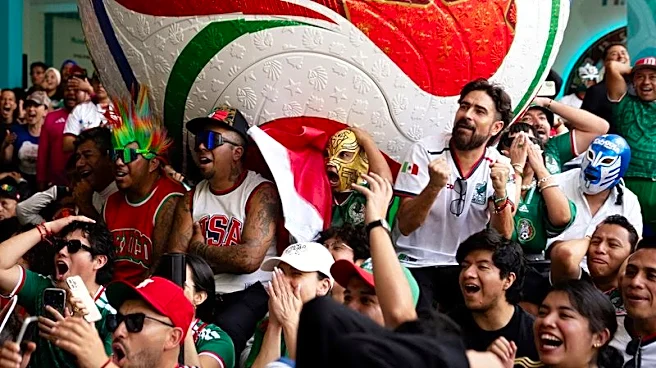
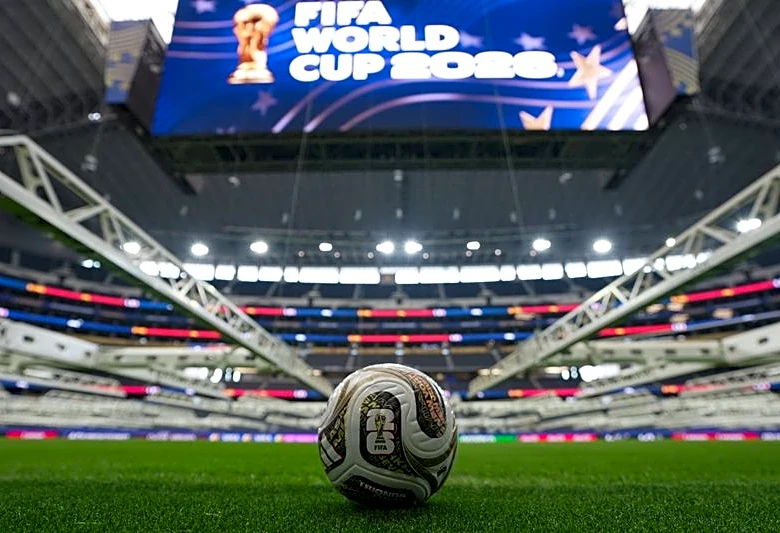
During the 2026 FIFA Men's World Cup, hosted by the United States, Mexico, and Canada, a significant number of European visitors have reportedly changed their perceptions of America. The tournament, with most events held in the U.S., attracted thousands
of Europeans from countries such as England, Norway, Switzerland, and Spain. Prior to their visit, many Europeans held negative views of the U.S., influenced by media portrayals and political narratives. However, their experiences during the World Cup, including interactions with locals and exposure to American culture, have led to a more positive outlook. Visitors have expressed surprise at the friendliness of Americans and the country's diverse offerings, from food and fashion to landscapes and culture. The availability and effectiveness of air conditioning in the U.S. have also been highlighted as a notable comfort by European attendees.
Why It's Important?
The shift in perception among European visitors during the World Cup is significant for U.S. international relations and tourism. Positive experiences shared by these visitors can enhance America's global image, potentially increasing future tourism and fostering better diplomatic relations. The World Cup serves as a platform for cultural exchange, allowing visitors to experience the U.S. beyond media stereotypes. This change in perception could lead to increased economic benefits through tourism and international partnerships. Additionally, the event highlights the importance of hosting international events as a means to improve national reputation and cultural understanding.
What's Next?
As the World Cup continues, the U.S. may see further positive shifts in international perceptions. The experiences of European visitors could influence others in their home countries, potentially leading to increased tourism and interest in American culture. The U.S. might leverage this opportunity to promote further cultural exchanges and international events. Additionally, the positive feedback could encourage policymakers to invest more in tourism infrastructure and international relations initiatives. The long-term impact on U.S. tourism and international relations will depend on how these experiences are shared and perceived globally.
Beyond the Headlines
The World Cup's impact on perceptions of the U.S. underscores the power of cultural diplomacy. It highlights how firsthand experiences can challenge preconceived notions and foster mutual understanding. This event also raises questions about the role of media in shaping international perceptions and the potential for large-scale events to serve as catalysts for change. The positive reception of American amenities, such as air conditioning, points to cultural differences that can be appreciated and adopted. The event may also prompt discussions on how the U.S. can continue to improve its global image through hospitality and cultural openness.