







What's Happening?
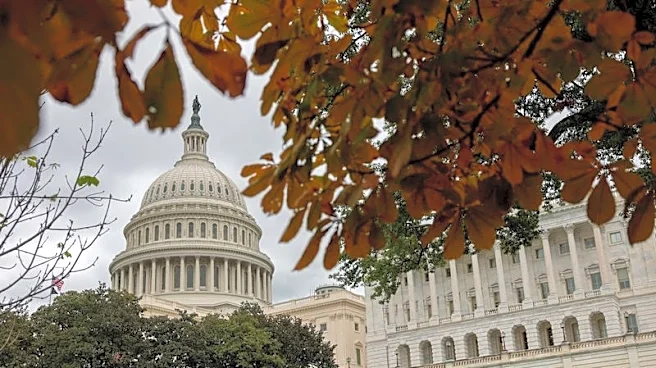
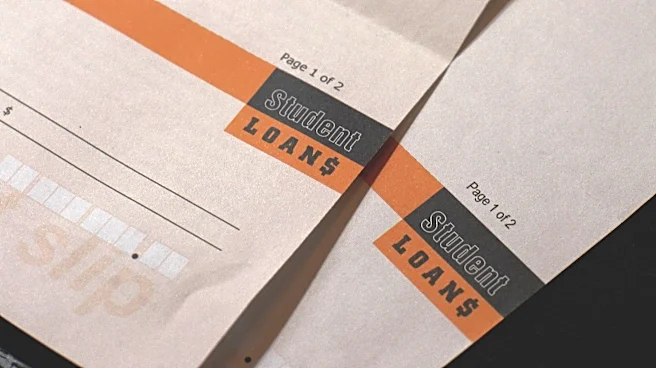
Several legislative proposals are currently under consideration in the U.S. Congress aimed at reducing the financial burden on American households by capping credit card interest rates and lowering federal student loan costs. One significant bill, H.R.
1944, known as the 10 Percent Credit Card Interest Rate Cap Act, has been introduced in the House of Representatives by Democratic Representative Alexandria Ocasio-Cortez and Republican Representative Anna Paulina Luna. This bill seeks to amend the Truth in Lending Act to prevent the annual percentage rate (APR) on credit card transactions from exceeding 10%. Additionally, the proposal includes restrictions to prevent financial institutions from circumventing the cap through additional charges and outlines consequences for creditors who violate its provisions, such as forfeiting interest and allowing consumers to take legal action. The bill, however, includes a condition for these restrictions to expire on January 1, 2031.
Why It's Important?
These legislative initiatives could significantly impact millions of American consumers grappling with high credit card debt and student loan payments. The proposed 10% cap on credit card interest rates, if enacted, would offer substantial relief to borrowers by reducing the cost of revolving credit. This could free up household income, potentially stimulating consumer spending and improving financial stability for many. Similarly, proposals to lower federal student loan interest rates to 2% or even 0% would alleviate a major financial burden for graduates and students, potentially boosting economic mobility and reducing default rates. However, the Congressional Research Service (CRS) warns that such caps could lead to unintended consequences, such as financial institutions restricting credit card approvals, lowering credit limits, or increasing other fees to compensate for reduced interest revenue, which could affect credit availability for some consumers.
What's Next?
The proposed bills, including H.R. 1944 and various student loan initiatives, are currently in the early stages of the legislative process, having been introduced and referred to relevant congressional committees for consideration. For any of these proposals to become law, they must successfully navigate through committee review, receive approval from both the House of Representatives and the Senate, and ultimately be signed by the President, or pass with a veto override. The expiration clause in H.R. 1944, setting the interest rate restrictions to end on January 1, 2031, indicates that even if passed, the measure might not establish a permanent federal cap. The debate will likely continue regarding the balance between consumer protection and the potential impact on the financial services industry.
Beyond the Headlines
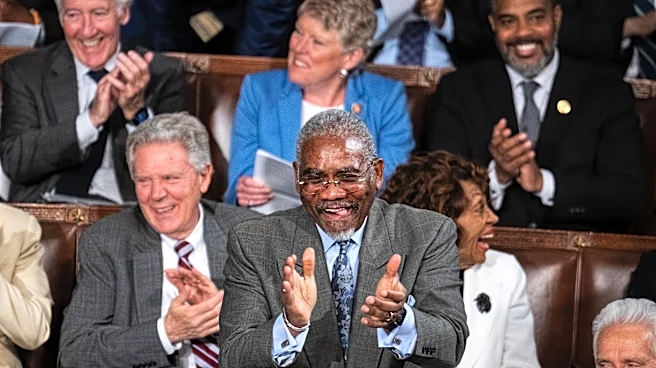
The bipartisan effort behind the 10 Percent Credit Card Interest Rate Cap Act, co-sponsored by a Democrat and a Republican, signals a potential shift in how lawmakers approach consumer finance regulations. This collaboration suggests a shared concern across the political spectrum regarding the affordability of credit and the broader issue of household debt. The debate over interest rate caps touches upon fundamental economic principles, including market intervention versus free-market operations, and the role of government in protecting consumers from predatory lending practices. The potential for financial institutions to adjust their lending practices in response to new regulations highlights the complex interplay between policy decisions and market dynamics, underscoring the need for careful consideration of both intended and unintended consequences on the U.S. economy and its citizens.