



What's Happening?
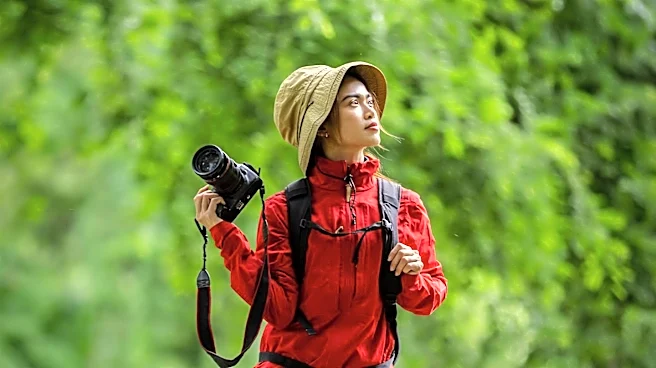
The West Virginia Division of Natural Resources (WVDNR) has announced that registration is now open for its "Becoming an Outdoors-Woman" (BOW) fall workshop. The event is scheduled to take place from September 25-27 at Cacapon Resort State Park near Berkeley
Springs, W.Va. This nationally recognized program aims to introduce women to a variety of outdoor-related activities, including hunting, fishing, and other recreational pursuits, within a supportive and welcoming environment. The workshop offers over 20 unique classes with hands-on instruction, covering activities such as archery, fly fishing, basic shelter building, and stream ecology. Classes rotate annually to provide fresh experiences for returning participants. The program is open to women of all skill levels, from beginners to experienced outdoor enthusiasts, and is limited to 75 participants. The registration fee is $225, which includes instruction, necessary equipment, and meals, with lodging available at an additional cost. Participants enrolling in a fishing class are required to purchase a fishing license and trout stamp.
Why It's Important?
The "Becoming an Outdoors-Woman" (BOW) workshop is important for several reasons, primarily impacting women's engagement in outdoor activities and conservation efforts. By providing a supportive and inclusive environment, the program breaks down traditional barriers that might prevent women from participating in activities like hunting and fishing. This increased participation can lead to a greater appreciation for natural resources and a stronger commitment to conservation among a broader demographic. Furthermore, the workshop empowers women by teaching practical outdoor skills, fostering self-reliance, confidence, and a deeper connection to nature. This can have positive effects on physical and mental well-being. From an economic perspective, increased participation in outdoor recreation can boost local tourism and support businesses related to outdoor gear and services. The program also helps to diversify the demographic of outdoor enthusiasts, ensuring that future conservation efforts are supported by a wider and more representative segment of the population.
What's Next?
With registration now open, interested individuals are encouraged to sign up quickly, as the workshop is limited to 75 participants and spaces tend to fill rapidly. The WVDNR will continue to process registrations and provide further details to confirmed attendees regarding logistics and preparation for the event. Leading up to the workshop in September, organizers will finalize class schedules, prepare equipment, and ensure all instructors are ready to provide hands-on training. Participants who plan to take fishing classes must ensure they purchase their fishing license and trout stamp in advance and submit copies with their registration. Following the fall workshop, the WVDNR will likely gather feedback from participants to evaluate the program's success and identify areas for improvement for future iterations. The program's continued success could lead to the expansion of similar initiatives or an increase in the number of workshops offered annually.
Beyond the Headlines
The "Becoming an Outdoors-Woman" program has a profound impact beyond just teaching outdoor skills; it challenges gender stereotypes in traditionally male-dominated activities and promotes a more inclusive vision of outdoor recreation. By creating a dedicated space for women to learn and grow in these areas, it fosters a sense of community and empowerment that can extend into other aspects of their lives. This initiative contributes to a broader cultural shift, encouraging women to explore new interests and develop competencies that might otherwise be overlooked. Ethically, it aligns with principles of equal opportunity and access to recreational resources for all citizens. Long-term, the program could lead to a more balanced representation of genders in conservation leadership and outdoor advocacy, ensuring that diverse perspectives are considered in environmental policy and land management decisions. It's an investment not just in individual skill-building, but in the future of inclusive outdoor culture and environmental stewardship.