



What's Happening?
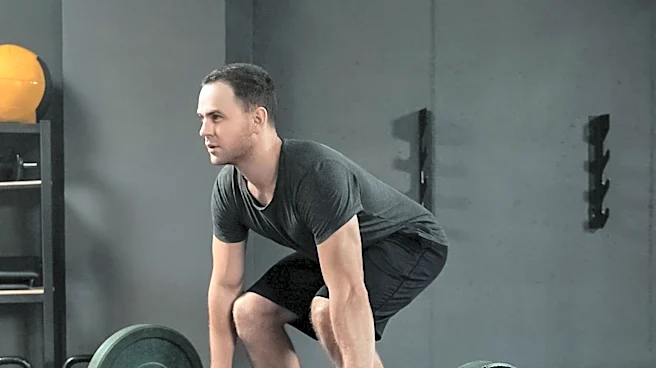
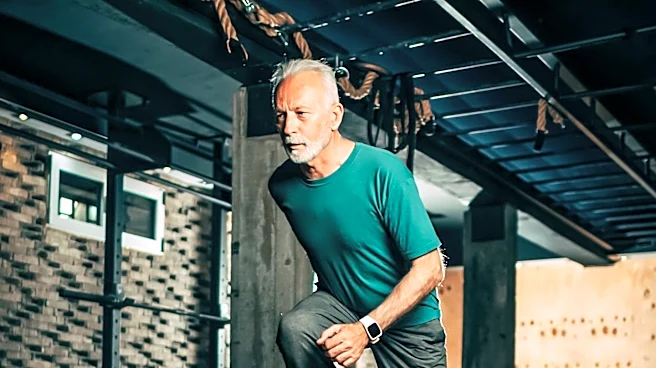
Dr. Mark Hyman emphasizes the importance of strength training and high-intensity interval training (HIIT) as key components of a longevity-focused exercise regimen. According to Dr. Hyman, these workouts not only improve physical appearance but also enhance
mitochondrial function, which is crucial for energy production and overall health. Strength training helps preserve muscle mass, which naturally declines with age, while HIIT improves cardiovascular fitness and VO2 max, a strong predictor of longevity. Dr. Hyman suggests that these exercises can be adapted to individual fitness levels, making them accessible to a wide range of people.
Why It's Important?
The focus on strength training and HIIT highlights a shift in how exercise is perceived in the context of aging. Rather than solely focusing on weight loss or aesthetics, these workouts are presented as tools for improving cellular health and extending healthspan. This approach aligns with growing evidence that physical activity can mitigate age-related decline and reduce the risk of chronic diseases. By promoting these exercises, Dr. Hyman encourages individuals to take proactive steps in maintaining their health and independence as they age, potentially reducing healthcare costs and improving quality of life.
What's Next?
As awareness of the benefits of strength training and HIIT grows, fitness programs and public health initiatives may increasingly incorporate these exercises into their offerings. Individuals might seek guidance from fitness professionals to tailor these workouts to their specific needs and capabilities. Additionally, further research could explore the long-term effects of these exercises on aging and chronic disease prevention. The fitness industry may also develop new tools and technologies to support individuals in tracking their progress and optimizing their workouts for longevity.
Beyond the Headlines
Dr. Hyman's advocacy for strength and HIIT workouts reflects a broader cultural shift towards viewing exercise as a critical component of healthy aging. This perspective challenges traditional notions of fitness and encourages a more holistic approach to health. By focusing on cellular and metabolic health, these exercises may also influence how society addresses age-related conditions, potentially leading to new interventions and therapies. As the population ages, the emphasis on maintaining functional independence through exercise could reshape societal attitudes towards aging and wellness.