
What's Happening?
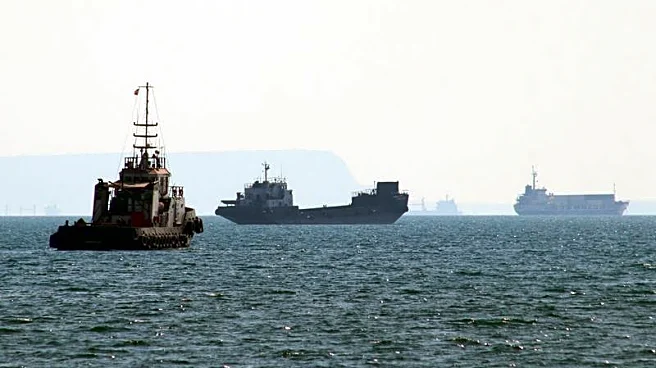
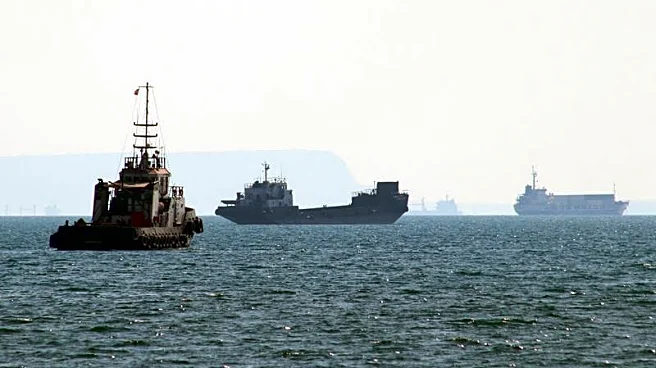
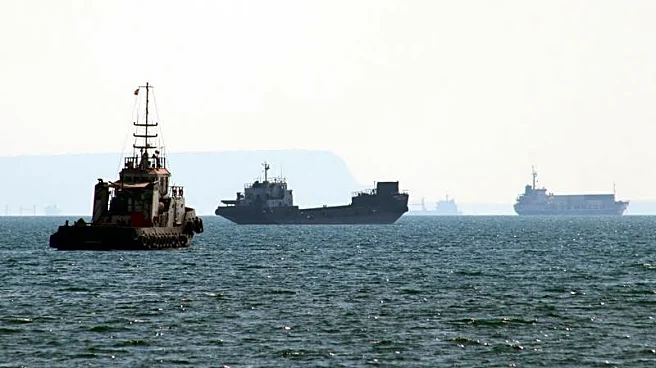
Oil prices reversed earlier losses on Wednesday, with Brent crude futures climbing 2% to $93.24 per barrel and U.S. West Texas Intermediate (WTI) futures increasing 1.4% to $83.21. This rebound was driven by escalating security concerns surrounding the
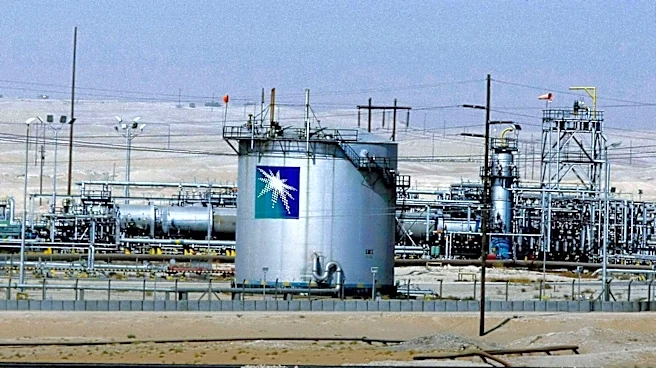
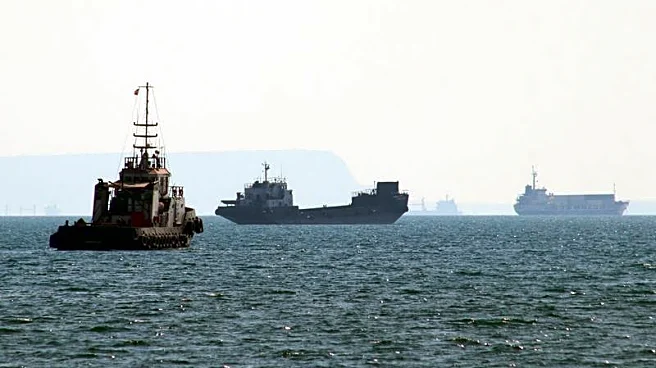
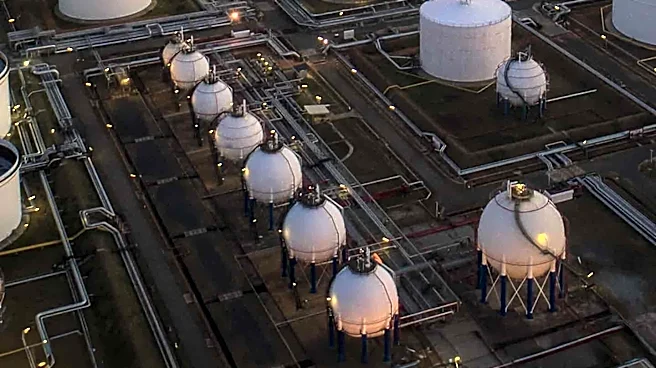
Strait of Hormuz and Saudi Arabian energy infrastructure, which outweighed expectations of improving global petroleum supplies. Renewed fears about maritime security and potential interruptions to Saudi Arabian refining operations contributed to the price surge. Yemen’s Houthis claimed responsibility for attacks targeting Saudi Arabia’s Ras Tanura refinery and Riyadh, though the operational impact on petroleum production and exports remains uncertain. Despite these geopolitical tensions, several market indicators suggest a gradual improvement in supply conditions. The International Energy Agency’s November outlook anticipates a return to surplus during the fourth quarter, as recovering Middle Eastern exports are expected to outpace global consumption growth. Asian crude markets also show signs of easing supply constraints, with the relationship between near-term and future Dubai crude prices reflecting expectations of greater petroleum availability.
Why It's Important?
The volatility in oil prices, driven by geopolitical fears despite an improving supply outlook, highlights the inherent fragility of global energy markets. For the U.S., this situation can lead to fluctuating gasoline prices, impacting consumer spending and inflation. The Strait of Hormuz is a critical chokepoint for global oil shipments, and any disruption there has immediate and significant consequences for international supply and prices. While the International Energy Agency forecasts a supply surplus, the market's reaction to perceived threats underscores that physical security of supply routes remains a paramount concern. This dynamic affects U.S. industries reliant on stable energy costs, from transportation to manufacturing. Furthermore, it influences strategic energy policy decisions, including the potential release from the Strategic Petroleum Reserve and diplomatic efforts to de-escalate regional tensions. The upcoming OPEC+ meeting on November 29, where production policy for 2027 will be discussed, adds another layer of uncertainty, as Iraq seeks recognition of higher production capacity, which could further influence global supply allocations.
What's Next?
Market participants will closely monitor geopolitical developments in the Middle East, particularly any further incidents or escalations involving the Strait of Hormuz or Saudi Arabian energy facilities. The operational impact of the recent Houthi attacks on Saudi infrastructure will be a key factor influencing short-term price movements. The upcoming OPEC+ meeting on November 29 is also critical, as ministers will discuss production policy for 2027. Decisions made at this meeting, especially regarding Iraq's request for higher production capacity, could significantly alter the global supply outlook. Trading activity ahead of the U.S. Thanksgiving holiday could introduce additional price volatility as investors adjust their positions. For exploration and production companies, the recovery offers temporary support for commodity prices, but the long-term expectation of excess supply in 2027 remains a consideration for capital budgets.
Beyond the Headlines
The persistent vulnerability of oil markets to geopolitical events, even in the face of improving supply fundamentals, reveals a deeper structural issue: the concentration of critical energy infrastructure and transit routes in politically unstable regions. This situation creates a 'geopolitical premium' on oil prices, where the perceived risk of disruption can outweigh actual supply-demand balances. For the U.S., this means that even with increasing domestic production, global events can still dictate energy costs and economic stability. It also highlights the limitations of supply-side solutions alone in achieving true energy security. The ongoing tensions underscore the need for diversified energy sources, resilient supply chains, and robust diplomatic efforts to mitigate risks in key oil-producing regions. The market's immediate reaction to threats, despite long-term forecasts, also points to the psychological aspect of commodity trading, where fear and uncertainty can quickly override rational economic analysis.