





What's Happening?
The Chicago Bulls are embarking on a new phase of rebuilding their franchise, which has been caught between competing and starting over for several years. Under the leadership of Bryson Graham, who replaced Arturas Karnisovas and Marc Eversley, the Bulls are adopting
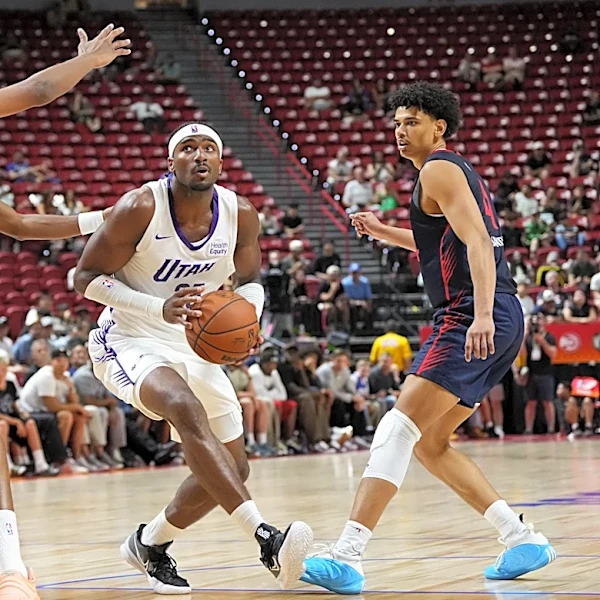
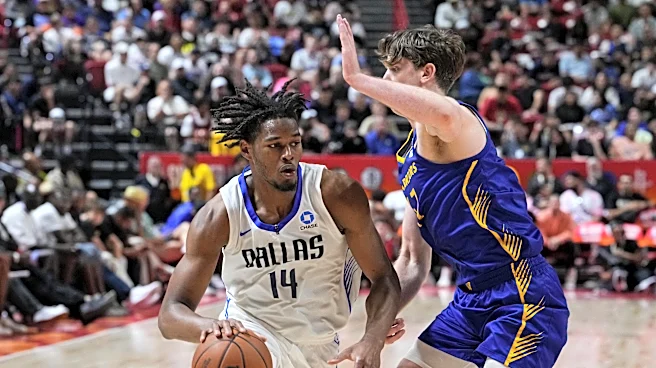
a fresh approach. Graham, a 39-year-old executive, has been tasked with revamping the front office and preparing for the draft and free agency. The Bulls made a significant move in the draft lottery, advancing five spots to secure the fourth overall pick, which they used to select Caleb Wilson, a forward from North Carolina. Wilson made an impressive debut by scoring 35 points in his first Summer League game. The organization aims to balance development with competitiveness by adding veterans like Nic Claxton, Norman Powell, and Zach Collins while maintaining flexibility through shorter contracts.
Why It's Important?
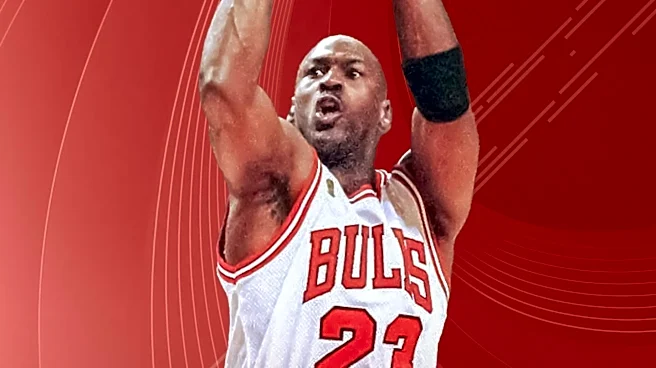
This development is crucial for the Chicago Bulls as they seek to break a cycle of underperformance, having missed the playoffs in eight of the last nine seasons. The team's last NBA Finals appearance was during Michael Jordan's era in 1998, highlighting a long-standing quest for stability and success. The new leadership under Bryson Graham represents a strategic shift that could redefine the franchise's future. By focusing on collaboration and leveraging young talent alongside experienced players, the Bulls aim to create a sustainable winning culture. This approach could potentially revitalize the team's performance, attract more fans, and increase revenue, impacting the broader NBA landscape by introducing a competitive team from a major market.
What's Next?
The next steps for the Chicago Bulls involve proving that this new era can deliver tangible results rather than becoming another false start. The team will need to integrate their new draft pick, Caleb Wilson, into the roster effectively while ensuring that the veterans contribute to both development and competitiveness. The success of this strategy will depend on the team's ability to foster a collaborative environment and make strategic decisions that align with their long-term goals. The Bulls' performance in the upcoming season will be closely watched by fans and analysts to assess whether the changes in leadership and strategy translate into on-court success.