






What's Happening?
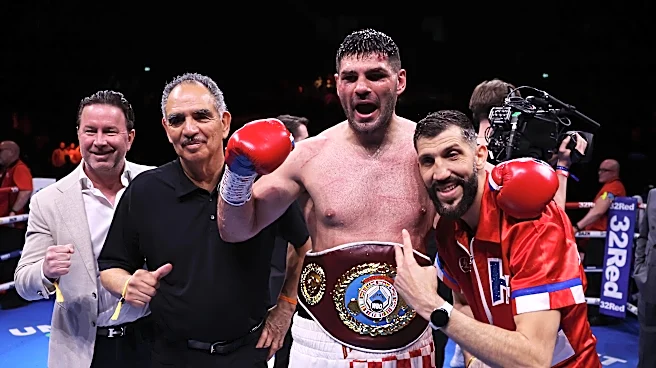
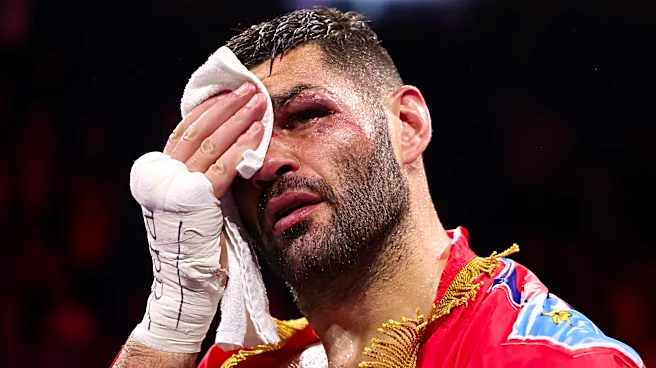
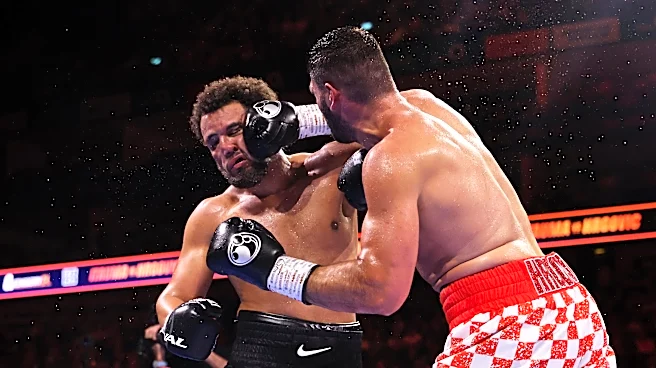
Moses Itauma, a highly touted 21-year-old heavyweight prospect, suffered his first professional defeat in a ninth-round stoppage against Filip Hrgovic in a fight for the IBF championship in London. Itauma, who entered the bout with a 14-0 record and 12
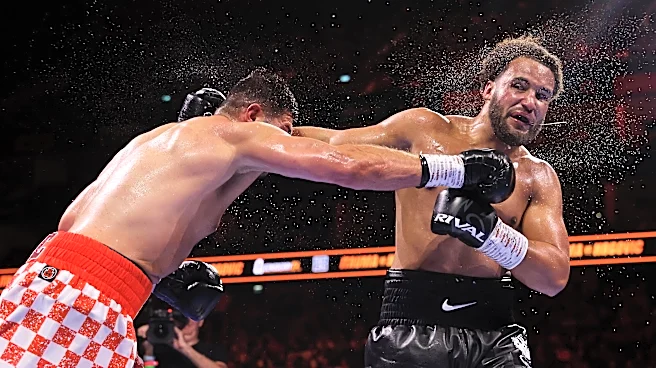
knockouts, was an overwhelming favorite and was expected to become the second-youngest heavyweight champion after Mike Tyson. Despite dominating the early rounds, landing significant punches and even knocking Hrgovic down, Itauma showed signs of severe fatigue by the ninth round. He was unable to defend himself against Hrgovic's onslaught, leading referee Howard Foster to stop the fight. Itauma's inexperience in longer fights, having never gone past six rounds professionally or sparred 12 rounds in training, was cited as a major factor in his exhaustion. Hrgovic, now 21-1, executed a strategy to outlast his opponent, proving that stamina can trump early dominance in boxing.
Why It's Important?
This upset loss for Moses Itauma significantly alters the trajectory of a fighter once considered the future face of the heavyweight division. For the boxing world, it serves as a stark reminder of the unpredictable nature of the sport, particularly in the heavyweight category, where one punch or a lapse in stamina can change everything. The defeat highlights the critical importance of experience and endurance, even for highly talented prospects. For Itauma, this loss could be a crucial learning experience, forcing him to re-evaluate his training and fight strategy, particularly regarding stamina and pacing. For Filip Hrgovic, this victory, though unexpected by many, elevates his status significantly, granting him the IBF championship and validating his veteran experience. The outcome also impacts the commercial landscape of boxing, as a dominant, undefeated prospect often generates more buzz and lucrative matchups, which Itauma's loss may temporarily dampen.
What's Next?
Following his first professional loss, Moses Itauma faces a critical period for his career development. He will need to address the stamina issues that became apparent in the fight against Hrgovic, likely by incorporating more extensive sparring and endurance training into his regimen. His promoter, Frank Warren, hinted at a leg injury, which, if confirmed, would require recovery time. However, the primary focus will be on how Itauma responds mentally and physically to this setback. He could either return too soon, potentially exhibiting self-doubt, or use this experience as a catalyst for growth, as other notable fighters have done after early career losses. For Hrgovic, as the new IBF champion, he will likely face mandatory challengers or pursue unification bouts, solidifying his position in the heavyweight division. The boxing community will be watching closely to see if Itauma can learn from this 'ass-kicking' and fulfill his potential, or if this defeat will have a more lasting negative impact.
Beyond the Headlines
Moses Itauma's defeat transcends a simple loss in the ring; it delves into the psychological and developmental aspects of a young athlete's career. The narrative of a 'good ass-kicking' as a beneficial, albeit painful, lesson is a recurring theme in sports, particularly in boxing. This event highlights the immense pressure placed on highly touted prospects and the potential pitfalls of rapid ascent without sufficient foundational experience. The comparison to David Haye's early career loss underscores that such setbacks can be transformative, leading to greater maturity and strategic adjustments. Ethically, it raises questions about the pacing of a young fighter's career and the responsibility of trainers and promoters to ensure comprehensive preparation, not just for power and speed, but for endurance and resilience. Culturally, it reinforces the idea that true champions are often forged through adversity, learning to adapt and overcome rather than relying solely on raw talent. This loss could be the turning point that shapes Itauma into a more complete and formidable fighter in the long term.