






What's Happening?
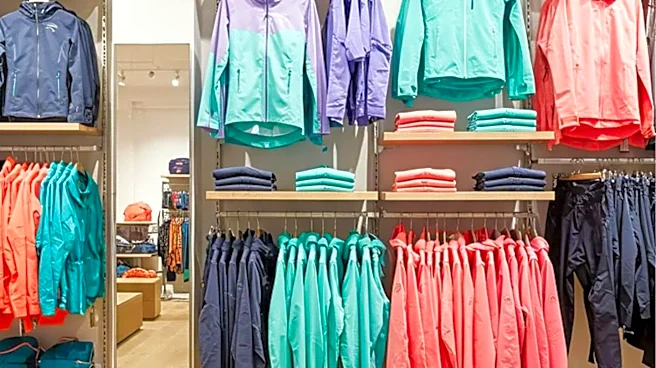
Max Retail, founded by Melodie van der Baan, is providing a new solution for fashion boutiques to manage excess inventory by channeling it into the resale market. Initially, van der Baan observed that traditional methods for liquidating unsold merchandise,
such as informal 'jobbers' or direct markdowns, often resulted in significant financial losses for boutique owners. Max Retail's current model acts as a bridge between a network of 4,000 boutiques nationwide and over 30 different resale marketplaces, including platforms like Poshmark. This system allows boutiques to sell their unsold branded products more profitably than through traditional liquidation channels, which often yield only pennies on the dollar. The platform aims to redirect excess inventory away from bargain bins and into a more viable resale ecosystem.
Why It's Important?
This initiative is important for the U.S. retail industry as it offers a more sustainable and profitable alternative for managing excess inventory, a significant challenge for fashion businesses. By connecting boutiques directly to resale marketplaces, Max Retail helps independent retailers recover more value from their unsold goods, improving their financial health and reducing waste. This model also contributes to the growth of the circular economy within fashion, promoting the reuse and resale of products. For consumers, it expands access to branded merchandise at potentially more accessible price points, while for the broader off-price market, it could shift the dynamics of inventory acquisition. As more brands and retailers embrace resale, it could lead to a re-evaluation of traditional liquidation strategies and a greater emphasis on sustainable practices across the industry.
What's Next?
Max Retail's model suggests a continued expansion of its network of boutiques and partnerships with resale marketplaces. As the platform gains traction, it could attract more independent retailers seeking better solutions for their excess inventory. This could further solidify the resale market as a primary channel for branded merchandise that doesn't sell through initial retail channels. The success of Max Retail may also encourage other companies to develop similar solutions, fostering innovation in inventory management and sustainable retail practices. The long-term impact could be a significant reduction in the volume of goods entering traditional off-price channels, potentially altering the business models of large off-price retailers. The focus will likely remain on optimizing the connection between supply (boutiques) and demand (resale marketplaces) to maximize value recovery.
Beyond the Headlines
The emergence of platforms like Max Retail highlights a fundamental shift in consumer values and industry practices towards sustainability and conscious consumption. Beyond the economic benefits for boutiques, this model contributes to a broader cultural acceptance of secondhand fashion, challenging the traditional linear model of production and consumption. It also underscores the power of technology to create efficient marketplaces that address systemic inefficiencies in the retail supply chain. The ethical implications include reducing textile waste and extending the lifecycle of clothing, aligning with growing environmental concerns. This trend could also empower smaller, independent boutiques by providing them with tools to compete more effectively against larger retailers in managing their inventory. Ultimately, Max Retail's approach signifies a move towards a more resilient, circular, and environmentally conscious fashion industry.