




What's Happening?
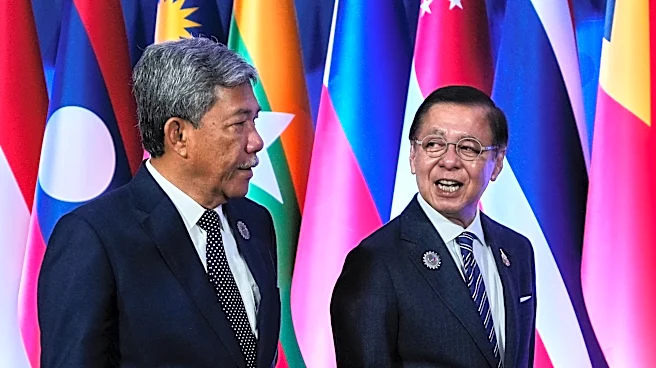
Deputy Investment, Trade and Industry Minister Sim Tze Tzin announced that Malaysia needs to transition from being solely a part of the global supply chain to becoming a creator and owner of innovative intellectual property, technology, and brands. Speaking
at the Kuala Lumpur Design Summit 2026 (KLDS 2026), Sim emphasized the critical role of design as a strategic driver for strengthening the nation's industrial capabilities. This shift is aligned with the New Industrial Master Plan 2030 (NIMP 2030) and the 13th Malaysia Plan (13MP). The goal is to move away from cost-based competition towards the creation of high-value products, making design an economic necessity. The creative economy is seen as a significant contributor to the industrial sector, particularly in the digital era, by generating jobs, income, and supporting entrepreneurs and artists. Exports of cultural and creative goods and services contributed RM63 billion, or 4.6 percent, to Malaysia's total exports in 2024.
Why It's Important?
This strategic shift is crucial for Malaysia to enhance its global competitiveness and secure a more prominent position in the international market. By focusing on high-value products and intellectual property, Malaysia aims to build a stronger national brand and reduce its reliance on being merely a manufacturing hub within global supply chains. This initiative could lead to increased foreign direct investment in design, technology, and creative industries, fostering innovation and economic diversification. For U.S. businesses and investors, this presents opportunities for collaboration in technology transfer, design partnerships, and market entry into a growing high-value sector in Southeast Asia. Conversely, U.S. companies that rely on Malaysia for cost-effective manufacturing might need to adapt to a changing industrial landscape, potentially facing higher production costs or needing to seek new supply chain partners if Malaysia's focus shifts significantly away from traditional manufacturing.
What's Next?
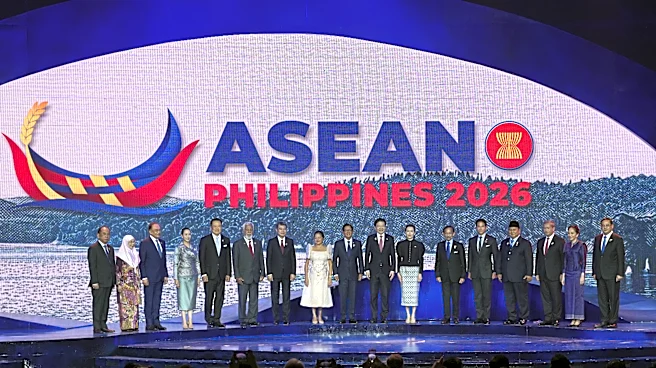
Malaysia plans to integrate design throughout the entire value chain, from product development to commercialization, in line with NIMP 2030 and 13MP. The nation will continue to foster its creative economy, which has been identified as a priority area for future growth within the 13MP and under the ASEAN Socio-Cultural Community. In collaboration with the Malaysia Design Council (MRM), the Ministry of Investment, Trade and Industry (MITI) is involved in establishing the ASEAN Centre of Excellence for Creative Industries (ACE-CI) in Manila, the Philippines, coinciding with the Philippines' chairmanship of ASEAN in 2026. These initiatives indicate a sustained focus on developing design capabilities and intellectual property, with ongoing efforts to strengthen professional standards through programs like the Certified Industrial Designers (CiDe).
Beyond the Headlines
The emphasis on design and intellectual property signifies a broader economic transformation for Malaysia, moving towards a knowledge-based economy. This shift could have long-term implications for regional economic dynamics, potentially positioning Malaysia as a leader in creative industries within ASEAN. The focus on 'Malaysian brands' and 'standing confidently in the international market' suggests a nationalistic economic strategy aimed at fostering self-reliance and global recognition beyond traditional manufacturing. This could also lead to increased competition in global markets for design-intensive products, potentially impacting U.S. industries that rely on innovation and design as key differentiators. The establishment of the ACE-CI also highlights a regional collaborative effort to boost creative industries, indicating a collective push among ASEAN nations to enhance their economic value proposition.