





What's Happening?
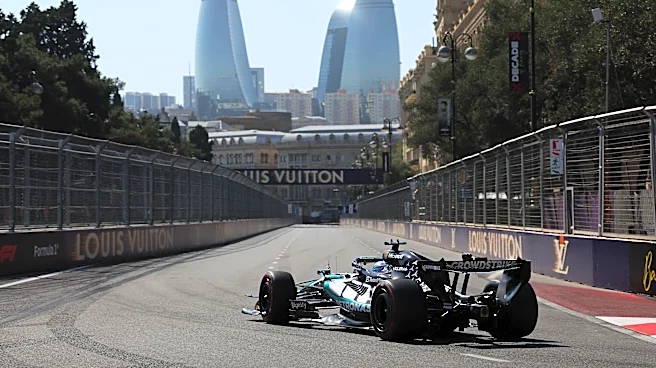
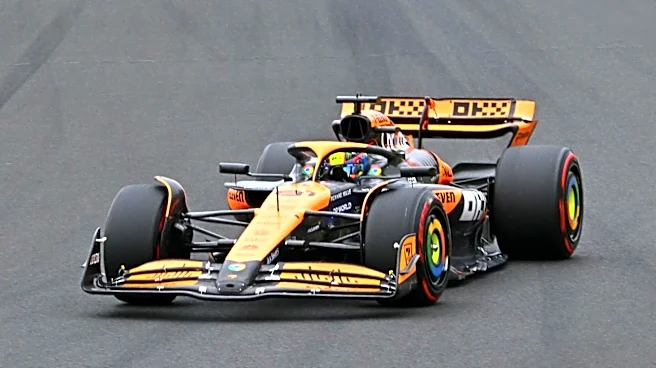
During the Azerbaijan Grand Prix, McLaren F1 driver Lando Norris was involved in a multi-car crash that led to his retirement from the race. The incident occurred during a safety car restart when Franco Colapinto made a misjudged maneuver, colliding with
his teammate Pierre Gasly, who then subsequently hit Norris. All three drivers were forced to retire. Following the event, an angered Norris publicly called for the FIA to implement stricter penalties, specifically suggesting a one-race ban for drivers who cause such incidents. He argued that such 'careless' driving is costly and that those responsible 'don't deserve to be in Formula 1.' Colapinto later apologized for the mistake, attributing it to locking up and losing control. Other drivers, including Max Verstappen and George Russell, expressed that while the incident was unfortunate, a ban might be 'a bit much,' suggesting that safety-car restarts with cold tires can lead to significant consequences from small errors.
Why It's Important?
This incident and Norris's strong reaction highlight ongoing debates within Formula 1 regarding driver conduct, safety, and the appropriate level of penalties for on-track collisions. Stricter enforcement of rules, as advocated by Norris, could significantly alter racing dynamics, potentially leading to more cautious driving, especially during critical moments like safety car restarts. For teams, such crashes result in substantial financial losses due to damaged components, making the call for bans a direct response to economic impacts. The differing opinions among drivers like Norris, Verstappen, and Russell underscore the complexity of defining 'careless' versus 'unfortunate' racing incidents. The FIA's stance on such matters directly influences driver behavior, team strategies, and the overall competitive integrity of the sport, affecting both the spectacle for fans and the financial health of participating teams.
What's Next?
The FIA will likely review the incident involving Franco Colapinto, Lando Norris, and Pierre Gasly, and consider the calls for stricter penalties, including potential race bans. While Colapinto has already received a 10-second penalty and a five-place grid penalty for the next race in Malaysia, the broader discussion initiated by Norris about the need for more severe consequences for 'careless' driving may prompt further examination of existing regulations. The outcome of any such review could lead to adjustments in the FIA's penalty system, potentially introducing more stringent measures for similar incidents in future races. Drivers and teams will be closely watching for any changes, as revised regulations could influence their approach to racing, particularly during high-pressure situations like safety car restarts. The ongoing dialogue among drivers and officials will shape the future enforcement of racing conduct.
Beyond the Headlines
The controversy surrounding Lando Norris's comments extends beyond the immediate racing incident, touching upon the ethical responsibilities of professional athletes and the impact of their public statements. Norris's direct and critical remarks about Colapinto's driving, including the assertion that some drivers 'don't deserve to be in Formula 1,' sparked significant backlash online, particularly from Colapinto's fans. This highlights the intense scrutiny and pressure professional athletes face, where their words can quickly escalate into broader public discourse and online harassment. It also raises questions about sportsmanship and the balance between competitive intensity and mutual respect among competitors. The incident underscores the fine line between expressing frustration and potentially damaging another driver's reputation, revealing the deeper cultural and social dimensions of professional sports beyond the track.