

What's Happening?
The concept of beauty confidence is shifting towards personalized routines and 'skinimalism,' advocating for self-acceptance rather than comparison. This approach encourages individuals to focus on what genuinely works for them, rather than getting caught
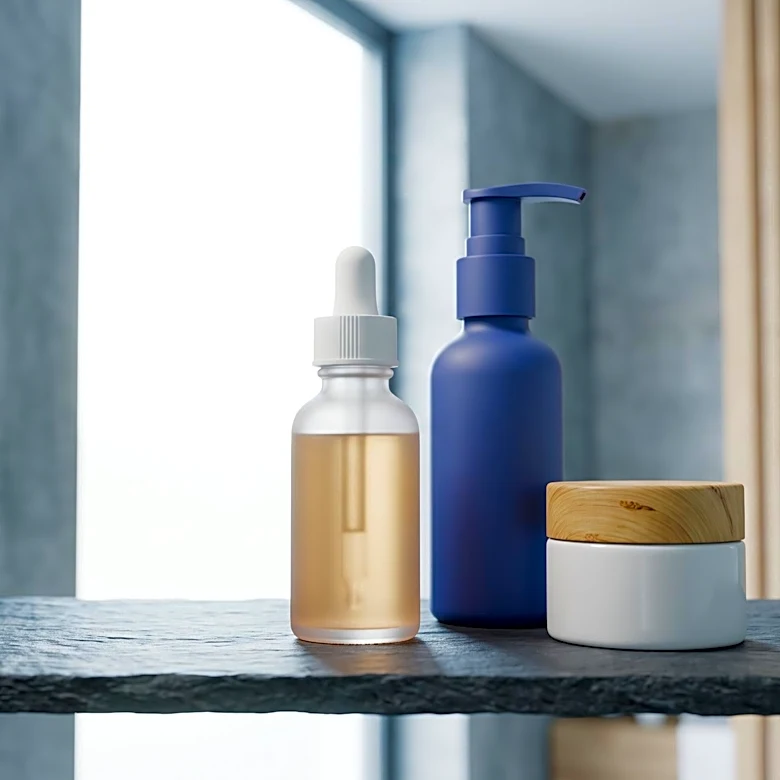
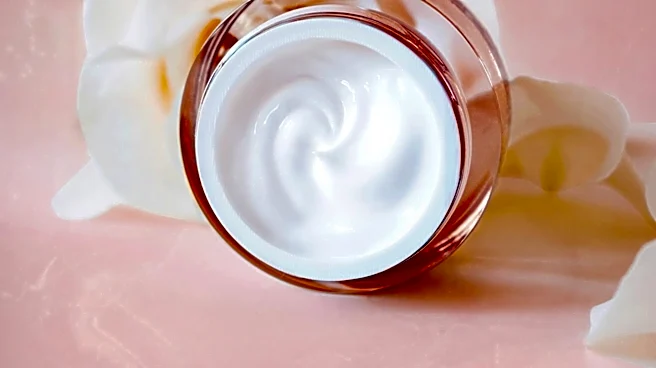
in a 'comparison spiral' fueled by social media. Key aspects include prioritizing barrier care, simplifying skincare routines with fewer steps, and choosing makeup that moves with the skin rather than sitting on top of it. The emphasis is on finding personal style and comfort, using beauty as a creative and comforting practice, and making choices that support desired feelings like comfort or playfulness. The trend advises against blindly following every new trend and instead suggests building a personal 'evidence list' of what works and giving inspiration a stopping point to avoid feeling inadequate.
Why It's Important?
This shift in beauty confidence has significant implications for the U.S. beauty industry and consumer behavior. It challenges the traditional marketing strategies that often rely on aspirational imagery and the promotion of numerous products for achieving an 'ideal' look. As consumers increasingly prioritize personalized routines and 'skinimalism,' U.S. brands will need to adapt by offering more versatile, multi-functional products and focusing on ingredient transparency and efficacy. This trend can empower consumers by fostering a healthier relationship with beauty, reducing the pressure to conform to unrealistic standards, and promoting self-care over comparison. It could also lead to a decline in impulse purchases driven by fleeting trends and an increase in demand for sustainable, high-quality products that genuinely benefit skin health. For the industry, it means a greater emphasis on education, personalization, and ethical marketing practices.
What's Next?
In response to the growing emphasis on personalized routines and 'skinimalism,' U.S. beauty brands are likely to further innovate in product development, focusing on multi-functional items that simplify routines and enhance natural beauty. Consumers can expect to see more products designed for barrier care and formulations that prioritize skin health. Marketing campaigns may shift to highlight authenticity, self-acceptance, and the benefits of a minimalist approach to beauty, moving away from heavily retouched imagery and towards more realistic portrayals. There will likely be an increased demand for personalized beauty consultations and tools that help individuals identify products best suited for their unique needs. Furthermore, social media platforms and beauty influencers may face pressure to promote more balanced and less comparison-driven content, fostering a healthier online beauty environment. This trend could also encourage greater transparency from brands regarding ingredients and product claims.
Beyond the Headlines
The movement towards personalized beauty and 'skinimalism' extends beyond product choices; it reflects a broader societal re-evaluation of self-worth and mental well-being in the digital age. The constant exposure to curated images on social media has contributed to widespread comparison and feelings of inadequacy. By advocating for a focus on individual comfort and what 'feels good,' this trend encourages a more mindful and intentional approach to self-care. Ethically, it challenges the beauty industry to move away from exploiting insecurities and towards empowering consumers. Culturally, it signifies a potential shift towards valuing inner confidence and genuine well-being over external perfection. This could lead to a more inclusive definition of beauty, where diversity in skin types, ages, and appearances is celebrated, fostering a more positive and less judgmental beauty landscape for everyone.