




What's Happening?
Deutsche Börse AG has secured unconditional approval from European Union regulators for its €5.35 billion ($5.87 billion) acquisition of investment fund platform Allfunds Group Plc. This acquisition, announced in January, marks the largest takeover in Deutsche Börse’s
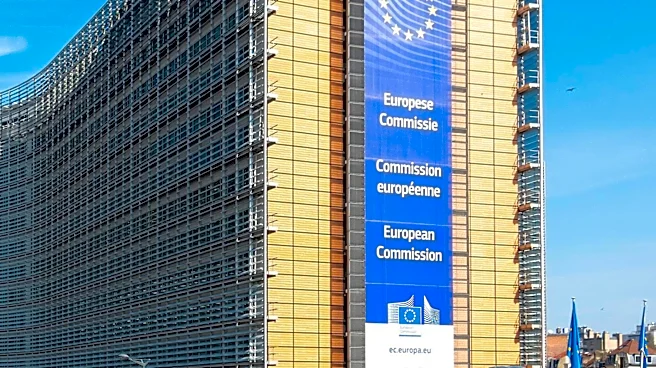
history and is central to the German exchange operator's strategy to expand its presence in Europe's financial infrastructure. The European Commission granted its approval on November 27, concluding that the transaction would not significantly reduce competition in the markets for investment fund distribution and transaction services. Regulators determined that the combined entity would still face sufficient competition from other providers, limiting its ability to increase distribution fees or restrict access to its services. EU Competition Commissioner Teresa Ribera stated that the deal could foster the development of financial businesses operating across national borders and help channel more European household savings into investments within the region. Allfunds specializes in providing technology and investment fund distribution services, connecting asset managers with various financial institutions, including banks, insurers, and pension funds.
Why It's Important?
This regulatory clearance is a significant step for Deutsche Börse's strategic expansion within the European financial sector. By acquiring Allfunds, Deutsche Börse aims to strengthen its role in the continent's financial infrastructure, potentially leading to a more integrated and efficient European investment landscape. The European Commission's approval, particularly Commissioner Ribera's emphasis on directing European household savings towards regional investments, highlights a broader policy goal of enhancing capital markets union within the EU. For U.S. financial institutions and investors with interests in Europe, this consolidation could mean dealing with a more dominant player in fund distribution, potentially affecting market access and operational dynamics. The move could also set a precedent for future cross-border financial mergers in Europe, influencing how U.S. firms navigate the regulatory and competitive environment there. The integration of Allfunds' technology and distribution network into Deutsche Börse's operations could streamline investment processes, but also raises questions about market concentration and potential impacts on smaller financial service providers.
What's Next?
Deutsche Börse anticipates completing the acquisition in the first quarter of 2027. However, the transaction is still contingent on additional regulatory clearances and approval from an English court. The focus will now shift to securing these remaining approvals and integrating Allfunds into Deutsche Börse's operations. The successful completion of this deal could encourage further consolidation within the European financial services sector, as other players might seek to enhance their market positions. Commissioner Ribera's comments also suggest a continued push by the EU to complete its Savings and Investments Union, an initiative designed to reduce fragmentation across the bloc's 27 member states. This broader initiative could lead to more harmonized financial regulations and increased cross-border investment flows, impacting how U.S. firms engage with European markets. The integration process itself will be crucial, as Deutsche Börse will need to effectively merge Allfunds' technology and client base to realize the strategic benefits of the acquisition.
Beyond the Headlines
The approval of this significant merger underscores the EU's strategic objective to deepen its capital markets and reduce financial fragmentation. While the immediate impact is on the financial infrastructure, the long-term implications could include a more robust and self-sufficient European financial system, potentially reducing reliance on external financial hubs. This could subtly shift global financial power dynamics, affecting the competitive landscape for U.S. financial giants. The emphasis on directing European household savings towards regional investments also reflects a broader economic nationalism, aiming to keep capital within the bloc to foster internal growth and stability. This could lead to policy decisions that favor European financial products and services, potentially creating new challenges or opportunities for U.S. asset managers and investment platforms operating in Europe. The deal also highlights the increasing importance of technology and distribution networks in the financial sector, suggesting that future growth will heavily depend on integrated digital platforms.