



What's Happening?
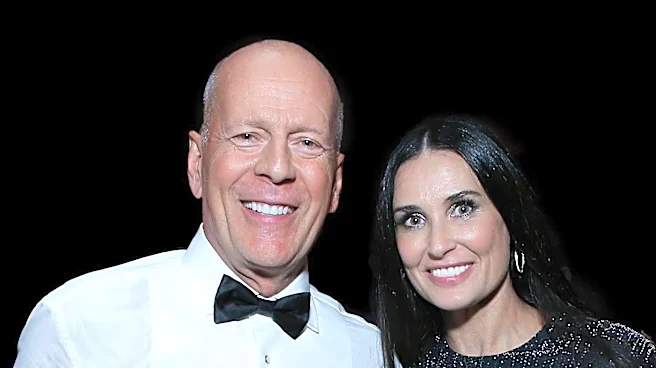
Tallulah Willis, daughter of actor Bruce Willis, has issued an apology for sharing a photo of her father on social media, acknowledging that the image was 'possibly too intimate.' The original photo, which has since been removed, depicted a shared moment
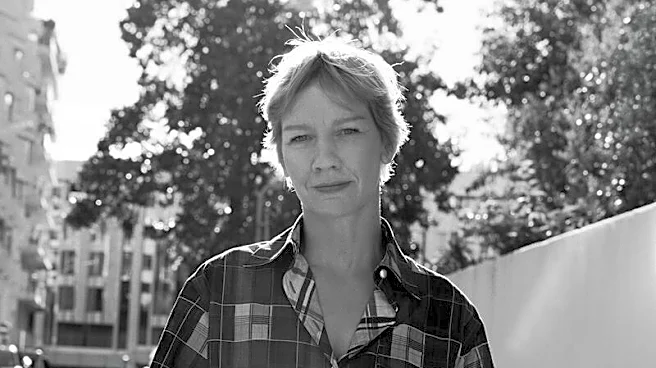
between her and her father, who was diagnosed with frontotemporal dementia (FTD) in February 2023. Bruce Willis had previously retired from acting in March 2022 due to an aphasia diagnosis, which later progressed to FTD. Tallulah Willis explained that she was excited by the sweetness of the moment and did not consider the intimacy of the photo before posting it. She has since shared a black-and-white throwback image with a message vowing to 'do better,' emphasizing her family's love and respect for her father. The incident has sparked discussions regarding the ethics of sharing images of vulnerable individuals on social media.
Why It's Important?
This event highlights the complex ethical considerations surrounding social media use, particularly when involving individuals with cognitive impairments like dementia. The apology from Tallulah Willis underscores the growing awareness and sensitivity required when sharing personal moments online, especially those involving family members who may not be able to provide consent. Dr. Monica Berntsen, a UK-based consultant psychologist and neuropsychologist, notes that FTD often affects judgment and insight, making it difficult for individuals to consent to photo sharing. The incident prompts a broader conversation about privacy, dignity, and the potential long-term impact of online content. It also brings attention to Meta's privacy rules, which allow for content removal if the depicted person is incapacitated and unable to report it themselves, though such removal is not automatic and requires reporting.
What's Next?
The discussion initiated by Tallulah Willis's apology is likely to continue influencing how families and the public approach sharing images of vulnerable relatives online. Social media platforms may face increased scrutiny regarding their policies on consent and privacy for incapacitated individuals. Families caring for loved ones with dementia may become more cautious and informed about the implications of posting personal content. The incident could also lead to more public education and resources on navigating social media responsibly when dealing with sensitive health conditions. The emphasis on dignity and privacy for individuals with FTD, even if they cannot express their wishes, will likely remain a key consideration in future online interactions.
Beyond the Headlines
Beyond the immediate apology, this situation delves into the deeper societal implications of digital footprints and the evolving understanding of consent in the age of social media. The 'internet doesn't forget' principle means that images, once posted, can have lasting consequences, affecting not only the individual depicted but also their family for years to come. The incident also touches upon the emotional toll of caregiving, as Dr. Berntsen suggests that families might share posts as a way of expressing the difficulties they face. This highlights the need for supportive communities and resources for caregivers, while also emphasizing the importance of maintaining the dignity and privacy of those they care for. The ethical dilemma of balancing personal expression with the protection of vulnerable individuals will continue to be a significant challenge in the digital landscape.