







What's Happening?
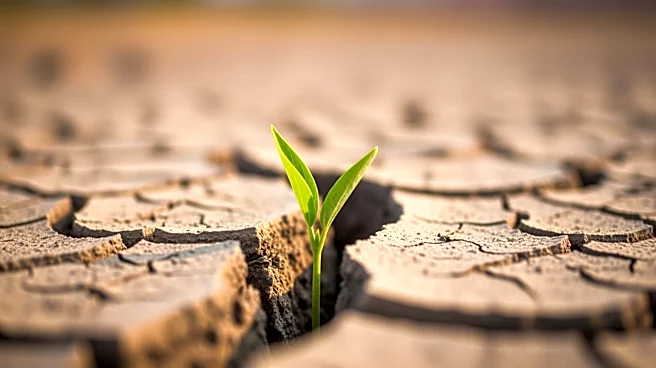
The agricultural sector is increasingly adopting integrated agronomic solutions to address challenges such as soil degradation, climate volatility, and the need for higher productivity with fewer resources. According to Frost & Sullivan, these solutions include
advanced seed treatments, fertiliser innovations, and soil health strategies that aim to build resilient and sustainable farming systems. The shift from traditional input intensification to strategies that enhance soil resilience and nutrient-use efficiency is driven by environmental, economic, and agronomic constraints. This transition is supported by investments in biological treatments, precision agriculture technologies, and advanced nutrient-management solutions, which are crucial for improving crop resilience and long-term soil health.
Why It's Important?
The adoption of integrated agronomic solutions is significant for the agricultural industry as it seeks to overcome the limitations of traditional farming methods. By focusing on soil health and nutrient efficiency, these strategies promise to enhance crop performance and sustainability. This shift is particularly important in regions like the Americas and Europe, where precision agriculture and input management solutions are leading the way. The move towards sustainable farming practices not only addresses environmental concerns but also supports economic viability by optimizing resource utilization. As global agriculture faces increasing pressure to produce more food with fewer resources, these innovations are critical for ensuring food security and environmental sustainability.
What's Next?
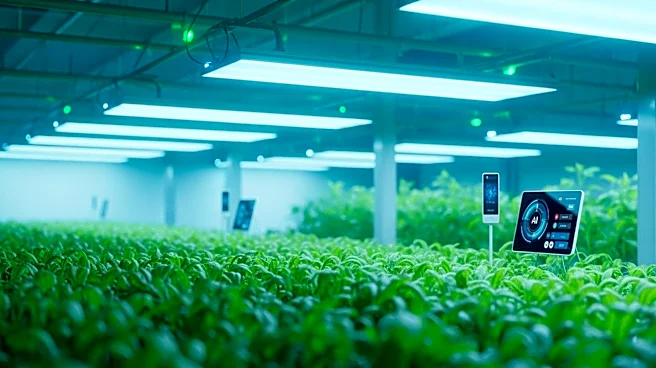
As the demand for sustainable farming practices grows, the agricultural industry is likely to see further advancements in integrated biological platforms and precision agriculture technologies. These developments will continue to drive the adoption of data-driven approaches that combine biological innovation with advanced analytics. The focus will be on improving crop performance and resource utilization while strengthening soil resilience. Additionally, regions like Asia present opportunities for deeper penetration of efficiency-driven and soil health-focused solutions, indicating a global trend towards more sustainable agricultural practices.