






What's Happening?
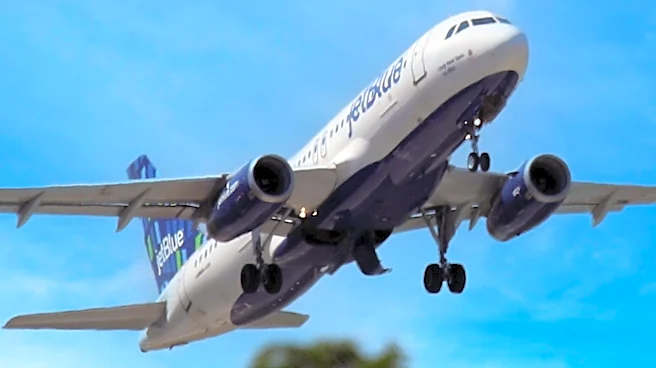
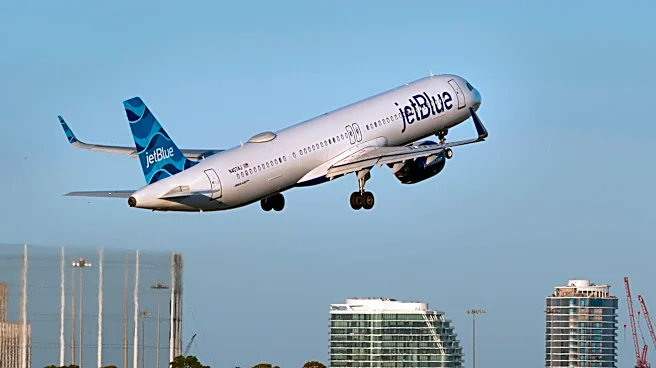
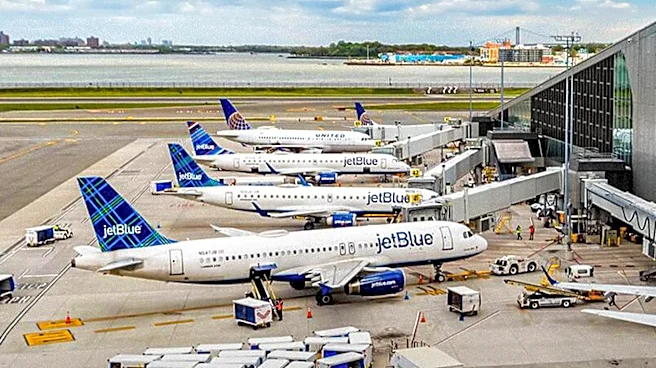
JetBlue Airways has announced its third increase in checked bag fees within the past year, citing escalating fuel and operating costs. For economy travelers, checking a first bag will now cost $50 if purchased more than 24 hours before departure during
non-peak periods, up from $45. If purchased within 24 hours of departure, the fee rises to $60. During peak travel times, such as holidays or summer, the fee for a first checked bag will be $55 if purchased over 24 hours in advance, an increase from $49, and $70 if paid within 24 hours of departure. JetBlue stated that these adjustments are necessary to offset the significant rise in jet fuel prices, which have approximately doubled since February due to the Iran war. The airline aims to maintain competitive base fares by allowing customers to pay for checked bags only if needed. Exceptions to these fees apply to customers holding a co-branded JetBlue credit card or those with elite frequent flyer status.
Why It's Important?
This fee increase by JetBlue Airways is significant as it reflects the broader economic pressures facing the U.S. airline industry, particularly the impact of surging fuel costs. Jet fuel is the second-largest expense for airlines, after labor, and its price surge is directly affecting carriers' profitability. By raising bag fees, JetBlue is attempting to mitigate these financial strains without drastically increasing base ticket prices, a strategy that could make their fares appear more competitive initially. However, this move places an additional financial burden on travelers, especially those who do not qualify for fee exemptions. Historically, when one major U.S. airline raises fees, others tend to follow suit, suggesting that this could trigger similar increases across the industry, impacting a wider range of consumers. This trend could lead to higher overall travel costs for the public and potentially influence consumer choices regarding airlines or travel habits.
What's Next?
Following JetBlue's announcement, it is highly probable that other major U.S. airlines will evaluate their own fee structures and potentially implement similar increases for checked baggage. This has been a common pattern in the industry, where competitive pressures and shared cost challenges often lead to synchronized pricing adjustments. Travelers should anticipate higher ancillary fees across various carriers, especially during peak travel seasons. Airlines will likely continue to monitor fuel prices and operational costs closely, which could lead to further fee adjustments or changes in service offerings in the future. Consumers may respond by seeking out airlines with more inclusive fare structures, utilizing credit card benefits that waive bag fees, or opting for carry-on luggage only to avoid additional charges. The industry will also be watching for any shifts in consumer behavior or booking patterns as a result of these increased costs.
Beyond the Headlines
The repeated increase in checked bag fees by JetBlue highlights a deeper industry trend where airlines are increasingly unbundling services to manage costs and offer varied pricing tiers. This strategy, while allowing airlines to present lower base fares, effectively shifts more of the operational cost burden directly onto consumers for services that were once included. It also underscores the vulnerability of the airline industry to geopolitical events, such as the Iran war, which can dramatically impact fuel prices and, consequently, operational expenses. This approach could lead to a more stratified travel experience, where passengers with elite status or co-branded credit cards enjoy more perks, while general economy travelers face a growing list of add-on charges. Over time, this could influence consumer perception of value in air travel and potentially drive demand for more transparent, all-inclusive pricing models, or conversely, solidify the à la carte model as the industry standard.