



What's Happening?
Porsche has unveiled the 2027 Taycan lineup, featuring significant updates including a larger standard battery and simulated shifting technology. The new model replaces the previous base battery with the Performance Battery Plus, offering 97.0 kilowatt-hours
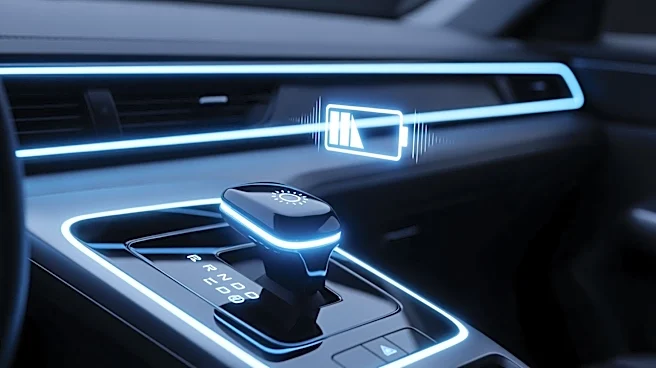
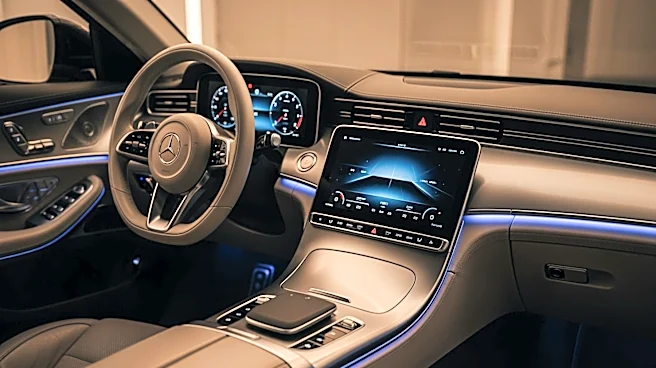
of usable capacity, up from 83.7. This change increases the base price to $114,250, compared to $108,050 for the 2026 model. The Taycan now includes simulated shifting, controlled by paddle shifters, which mimics an eight-speed gearbox. This feature is designed to enhance the driving experience by providing a more authentic feel. Additionally, the Taycan's infotainment system has been upgraded to include Porsche's new Digital Interaction system, allowing for over-the-air updates and improved smartphone integration. The 2027 Taycan lineup is available for order now, with deliveries expected to begin in the fall.
Why It's Important?
The updates to the 2027 Porsche Taycan reflect the automotive industry's ongoing shift towards enhancing electric vehicle (EV) performance and user experience. By standardizing a larger battery, Porsche is addressing consumer demand for longer range and better performance in EVs. The introduction of simulated shifting aims to attract traditional car enthusiasts who value the tactile feedback of gear changes, potentially broadening the Taycan's appeal. These changes also highlight the competitive nature of the EV market, where manufacturers are continuously innovating to differentiate their products. The enhancements in infotainment and connectivity align with broader trends in the automotive industry, emphasizing the importance of technology integration in modern vehicles.
What's Next?
As the 2027 Taycan becomes available, consumer and industry reactions will likely focus on the effectiveness of the simulated shifting feature and the impact of the larger battery on performance. Porsche's competitors may respond with similar innovations to maintain their market positions. Additionally, the success of these updates could influence future Porsche models and the broader EV market, potentially setting new standards for performance and user experience in electric vehicles.