




What's Happening?
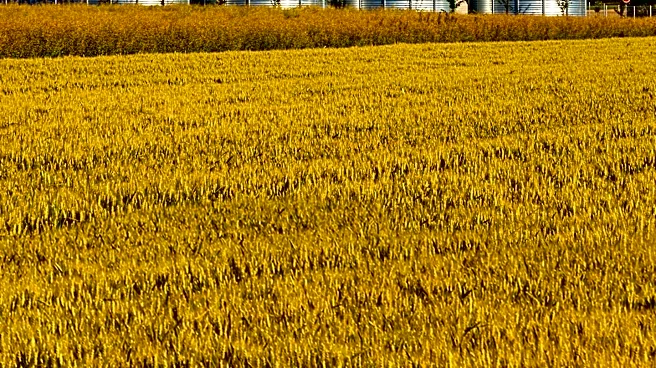
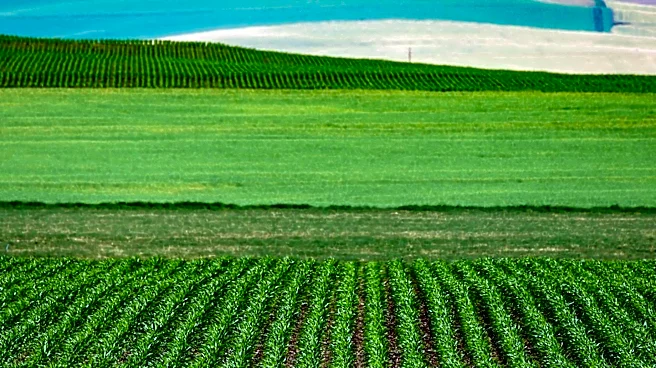
Farmland values in the Upper Midwest have shown a modest increase of 1.9% in the first half of 2026, according to a report by three farm credit cooperatives. The study, which analyzed over 1,700 transactions across eight states, highlighted that while
cropland values improved in most areas, Iowa experienced a slight decline. Central Wisconsin saw the most significant increase in cropland value at 7.1%, driven by demand for land suitable for vegetable and potato production. Despite the overall rise, pasture appreciation has slowed, particularly in South Dakota and North Dakota, due to elevated financing costs and selective buying. The report also noted that well-capitalized producers remain the primary drivers of demand, accounting for nearly 90% of all buyers.
Why It's Important?
The modest growth in farmland values reflects the ongoing challenges and dynamics within the agricultural real estate market. The increase in values, despite a slowing trend, indicates a stable demand for high-quality farmland, driven by well-capitalized producers. This stability is crucial for the agricultural sector, which relies on land as a primary asset. The report's findings suggest that while the market is not experiencing rapid growth, it remains resilient, supported by limited availability and strong producer liquidity. The slight decline in Iowa's values may signal a stabilization after previous softening, which could impact local economies dependent on agriculture.
What's Next?
Looking ahead, the farmland market may continue to experience mixed trends, with potential stabilization in areas like Iowa. The ongoing demand from well-capitalized producers suggests that competition for high-quality land will persist, potentially leading to pockets of higher-than-expected sale prices. However, the slowing appreciation of pasture values indicates that buyers are becoming more selective, which could influence future market dynamics. Stakeholders, including farmers and investors, will likely monitor these trends closely to make informed decisions about land acquisitions and investments.