






What's Happening?
Toyota hybrid vehicles generally incur maintenance costs similar to or even lower than their gas-only counterparts, according to North Hollywood Toyota. The U.S. Department of Energy indicates that hybrid brake systems typically last longer due to regenerative
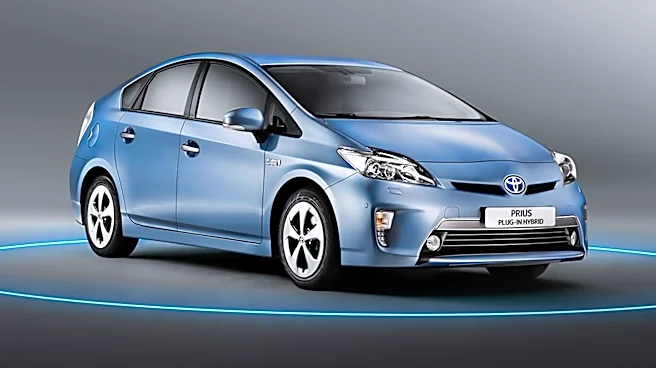
braking, which converts braking energy into electricity to recharge the hybrid battery. While both hybrid and gas models require scheduled maintenance every 5,000 miles or 6 months, hybrid service visits include additional checks for the hybrid battery cooling intake filter and periodic inverter coolant replacement. ToyotaCare plans for hybrid and gas models are largely the same, though specific terms may vary for certain models like the Mirai, Prius, plug-in hybrids, and battery-electric vehicles. For 2020 and newer models, the hybrid battery is covered for 10 years or 150,000 miles, and other hybrid system components for 8 years or 100,000 miles.
Why It's Important?
This information is significant for U.S. consumers considering hybrid vehicle purchases, as it addresses common concerns about potential higher maintenance costs. The comparable or lower maintenance expenses, particularly the extended lifespan of brake systems due to regenerative braking, could reduce long-term ownership costs for hybrid owners. This economic advantage, coupled with the environmental benefits of hybrids, may encourage broader adoption of these vehicles. For the automotive industry, these findings reinforce the viability and practicality of hybrid technology, potentially influencing manufacturing strategies and marketing efforts. Dealerships and service centers will need to ensure their technicians are adequately trained for the specific maintenance requirements of hybrid systems, including battery cooling and inverter coolant checks, to meet consumer demand and maintain service quality.
What's Next?
As awareness of the comparable maintenance costs and extended brake life of hybrid vehicles grows, it is likely that consumer interest in hybrids will continue to increase. Automotive manufacturers may further emphasize these cost-saving aspects in their marketing campaigns to attract more buyers. Service centers, including authorized Toyota dealerships, will need to continue investing in specialized training and equipment for hybrid vehicle maintenance to support the growing fleet. Future developments in hybrid technology could further optimize maintenance schedules and component longevity, potentially leading to even greater cost efficiencies for owners. The continued evolution of hybrid vehicle technology and its associated service infrastructure will be a key area to watch in the automotive sector.
Beyond the Headlines
The perception of hybrid vehicles often includes assumptions of higher complexity and maintenance expenses. This data challenges those assumptions, highlighting that technological advancements, such as regenerative braking, can lead to practical benefits like reduced wear on components. This shift in understanding could contribute to a broader cultural acceptance of advanced automotive technologies. Furthermore, the extended warranty on hybrid batteries and components reflects increasing confidence in their durability and reliability, which is crucial for overcoming consumer hesitancy. This trend also underscores the ongoing transition in the automotive industry towards more sustainable and efficient transportation solutions, with maintenance considerations playing a vital role in the overall appeal and adoption of these technologies.