







What's Happening?
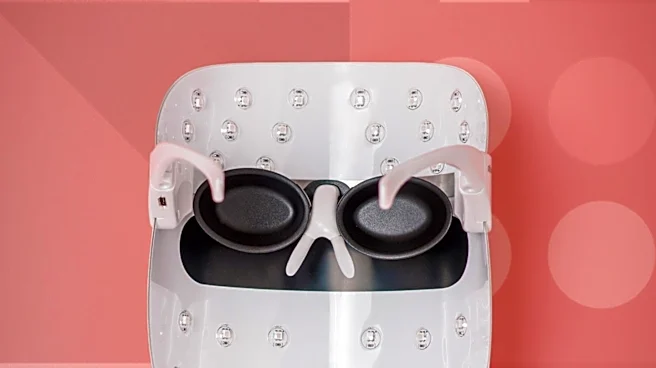
LED white masks emit a mix of visible wavelengths that appear white to the eye, but the term 'white light' does not describe a standardized wavelength or treatment. The effectiveness of these masks for skin-related effects depends on the specific wavelengths emitted,
output, treatment distance, and session instructions, rather than the color label itself. Unlike red light therapy, which often cites specific wavelengths like 630 nm for wrinkle reduction, white light lacks a defined basis for cosmetic use. Consumers are advised to verify the device's listed wavelengths and intended use, as white-light settings should not be assumed to deliver the same effects as red or near-infrared light. Each wavelength supports different purposes for skin appearance, and a device's efficacy is tied to its measured wavelengths and the evidence supporting its intended cosmetic use.
Why It's Important?
The proliferation of LED face masks, including those with 'white light' settings, creates a need for consumer education to distinguish between marketing claims and scientific evidence. Without clear understanding, consumers may purchase devices based on color names rather than actual therapeutic wavelengths, leading to dissatisfaction or ineffective results. This issue is significant because it impacts consumer trust in wellness technologies and highlights the importance of transparent product specifications. For the skincare industry, it underscores the need for manufacturers to provide precise data on their devices, including specific wavelengths and supporting research, rather than relying on broad, undefined terms. This clarity helps consumers make informed decisions, ensuring they select products that align with their specific skin goals and have a verifiable basis for their claims.
What's Next?
As the market for LED skincare devices continues to grow, there will likely be increased scrutiny on product claims and a greater demand for scientific validation. Consumers will become more discerning, seeking out devices with transparent wavelength specifications and clear evidence of efficacy. Manufacturers may respond by providing more detailed technical information and investing in clinical studies to support their product benefits. Regulatory bodies might also consider developing clearer guidelines for labeling and marketing LED skincare devices to prevent misleading claims. For consumers, the next step involves prioritizing research into specific wavelengths and intended uses before purchasing, rather than relying solely on color descriptions or general anti-aging promises.
Beyond the Headlines
The discussion around LED white masks touches upon broader themes of scientific literacy and consumer protection in the health and beauty industry. The tendency to market products based on generalized terms like 'white light' rather than specific, measurable parameters reflects a gap in how scientific information is communicated to the public. This can lead to a 'halo effect,' where consumers assume all light therapies are equally effective, regardless of their specific properties. Ethically, manufacturers have a responsibility to educate consumers about the nuances of their products. Culturally, there's a growing desire for non-invasive beauty solutions, which makes consumers susceptible to products that promise results without clear scientific backing. This situation calls for a more rigorous approach to product development, marketing, and consumer education to ensure that the benefits of light therapy are genuinely realized.