



What's Happening?
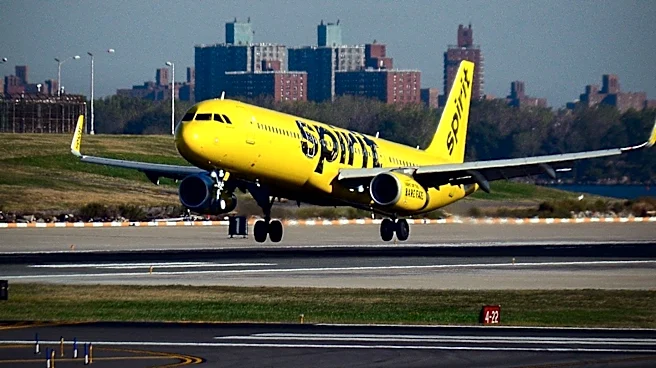
Spirit Airlines, an ultra-low-cost carrier, filed for bankruptcy and subsequently ceased operations earlier this year. This development followed the blocking of its proposed merger with JetBlue by Washington, which claimed the merger would lead to fewer
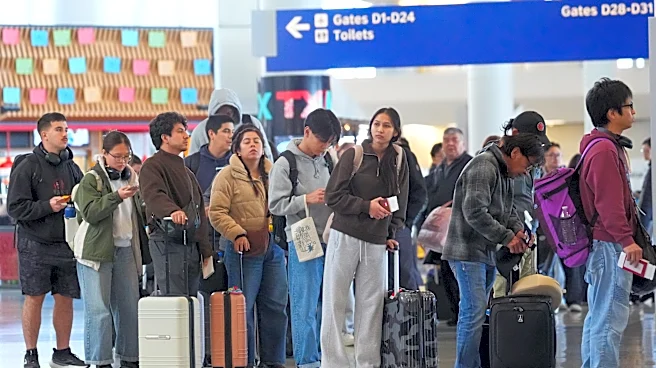
flights and price increases. Spirit Airlines had been facing significant financial losses and rising costs, and the merger was intended to provide financial stability and allow it to compete more effectively against larger airlines. Prior to its closure, Spirit held a substantial market share, including 29% of Fort Lauderdale's seats last year, and its departure from routes led to an average 23% ($60) increase in round-trip fares and a 20% decrease in overall passenger volume. The airline stopped flying in May, leading to the cancellation of flights such as NK1930 from Fort Lauderdale to Sint Maarten.
Why It's Important?
The bankruptcy and closure of Spirit Airlines have significant implications for the U.S. airline industry and consumers. As a major ultra-low-cost competitor, Spirit historically exerted pressure on rival airlines to keep prices down. Its elimination from the market means other carriers now face less pressure to offer lower fares, resulting in higher prices and fewer choices for travelers. This situation highlights the complex interplay between government regulation, airline mergers, and market competition. While the government's intervention aimed to preserve competition, the outcome has been the removal of a key competitor, leading to increased costs for consumers. This event underscores how regulatory decisions can inadvertently reshape market dynamics, potentially reducing consumer benefits in the long run.
What's Next?
The immediate consequence of Spirit Airlines' cessation of operations is a continued reduction in competitive pressure within the U.S. airline market. Consumers can anticipate sustained higher airfares and potentially fewer flight options, particularly on routes previously served by Spirit. The broader impact may include other airlines adjusting their pricing strategies without the need to match Spirit's low-cost offerings. This situation could also prompt further discussions among policymakers regarding the effectiveness of antitrust interventions in industries like aviation, especially when such interventions lead to the collapse of a struggling competitor rather than fostering a more competitive environment. The long-term effects on regional airports and travel hubs that heavily relied on Spirit's services will also need to be monitored.
Beyond the Headlines
The case of Spirit Airlines' bankruptcy and the blocked merger with JetBlue raises fundamental questions about the balance between regulatory oversight and market forces. While the intent of blocking the merger was to prevent a perceived reduction in competition, the actual outcome was the complete removal of a significant low-cost option. This scenario suggests that regulatory actions, even when well-intentioned, can have unintended and adverse consequences on market structure and consumer welfare. It also highlights the vulnerability of airlines operating on thin margins, especially when faced with rising costs and an inability to achieve scale through mergers. The event could serve as a case study for future antitrust considerations, emphasizing the need for a comprehensive analysis of both the immediate and long-term impacts of regulatory decisions on market competition and consumer choice.