
What's Happening?
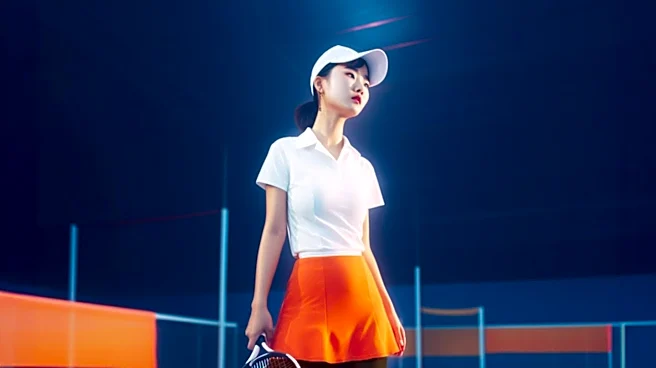
Gen Z is increasingly moving away from the trend of matching activewear sets, which have been popular since the pandemic, towards more individualized, eclectic, and vintage workout attire. This shift is driven
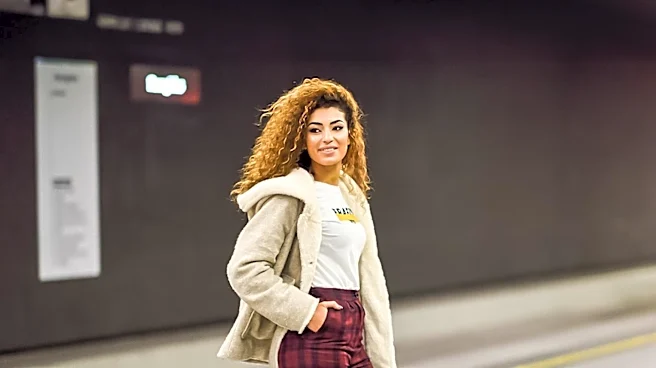
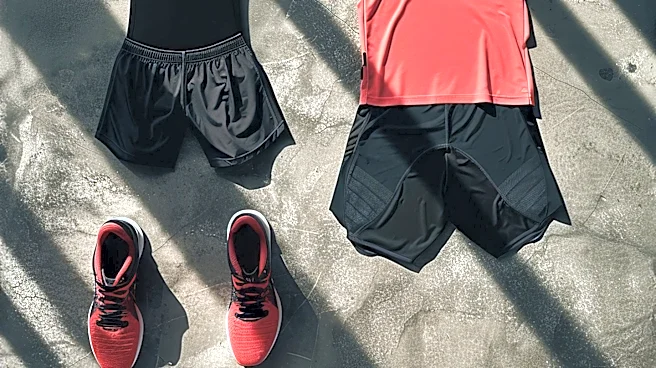
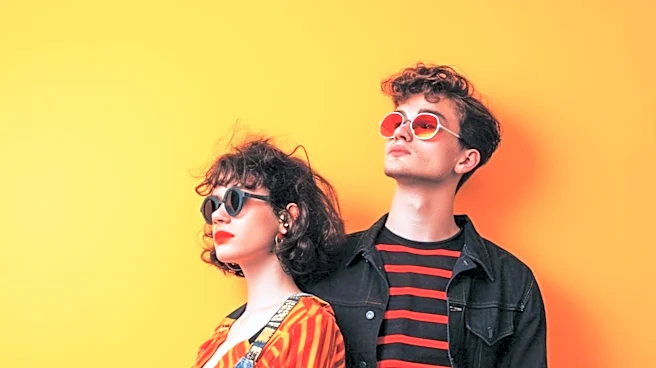
by a desire for personal expression and a rejection of the uniform-like appearance that coordinated sets have come to represent. Instead of polished, matching outfits from major activewear brands, Gen Z individuals are opting for items like old track shorts, vintage Nike tanks, neon sports bras, and Y2K-style sunglasses. This movement is evident in secondhand shops, running paths, and boutique fitness studios, with figures like Isabella Oday, founder of Rummage Stretch, curating maximalist workout clothing from the late 1990s and 2000s. Running influencer Jenna Litner also champions this 'personality-first' approach, emphasizing that self-expression enhances physical performance. The trend highlights a preference for worn-in, personal pieces over optimized, mass-produced activewear.
Why It's Important?
This shift in Gen Z's fashion choices for activewear has significant implications for the U.S. retail and fashion industries. Major activewear brands that have thrived on selling coordinated sets may need to re-evaluate their product strategies and marketing approaches to cater to this evolving consumer preference. The increased demand for vintage and secondhand activewear could boost the market for thrift stores, online resale platforms like Depop and eBay, and specialized vintage retailers. This trend also reflects a broader cultural movement among Gen Z towards sustainability and resourcefulness, as they are more inclined to use existing items and mix-and-match rather than constantly purchasing new, expensive sets. For consumers, it signifies a liberation from prescriptive fashion norms, encouraging creativity and personal comfort in fitness settings. The psychological aspect, where individuals feel more confident and perform better in outfits that reflect their personality, underscores a deeper connection between fashion and well-being.
What's Next?
In response to Gen Z's evolving preferences, activewear brands are likely to explore new product lines that emphasize individuality, versatility, and a vintage aesthetic. This could include collaborations with vintage curators, the re-release of retro designs, or the promotion of mix-and-match collections rather than strictly coordinated sets. Retailers might also increase their focus on sustainable practices and circular fashion models, such as offering repair services or promoting resale programs, to align with Gen Z's values. We may see a continued rise in the popularity of online and physical secondhand markets for activewear. Influencers and fitness professionals will likely continue to champion diverse and expressive workout styles, further solidifying this trend. The emphasis on personal expression and comfort over uniformity is expected to grow, potentially influencing other fashion categories beyond activewear.
Beyond the Headlines
The move away from matching activewear sets by Gen Z is more than just a fashion trend; it reflects deeper societal and psychological shifts. It signifies a rejection of homogeneity and the curated, often aspirational, imagery prevalent on social media, particularly Instagram. This generation is prioritizing authenticity and personal narrative over perceived perfection, challenging the notion that one must look 'put-together' in a specific way while working out. The embrace of vintage and thrifted items also speaks to a growing consciousness about consumerism and environmental impact, favoring resourcefulness over constant new purchases. This psychological shift, where self-expression is linked to confidence and performance, suggests a more holistic approach to well-being, where personal style is an integral part of one's identity, even in fitness. It highlights a broader cultural movement towards valuing individuality and sustainability in everyday choices.