


What's Happening?
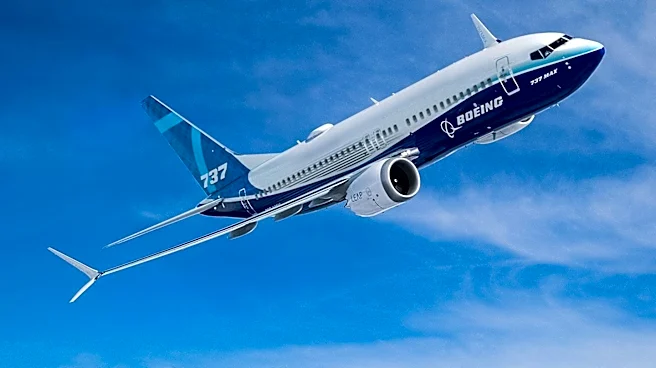
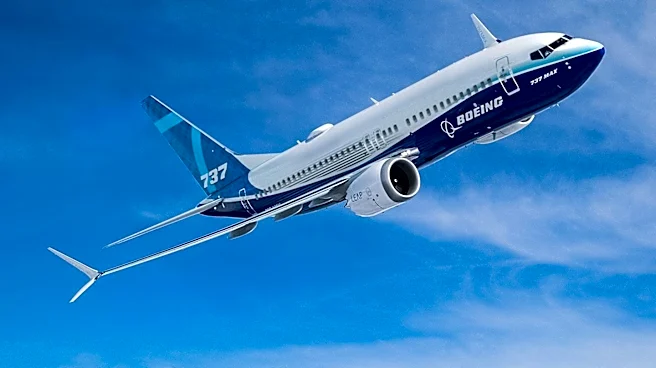
Boeing delivered 49 aircraft in October 2026, a decrease from 57 in September and 53 in October 2025. This total included 32 737 MAX aircraft, 11 787 Dreamliners, two 777 freighters, two 767-300F freighters, and two military derivatives. The company continues
to face challenges in stabilizing and increasing its production rates, particularly for the 737 MAX family, with a target of 47 aircraft per month now expected to be achieved in 2027. Despite the monthly dip, Boeing's year-to-date deliveries through October reached 524 jets, a 6% increase from 493 in the same period last year. New orders for October totaled 165 aircraft, with no cancellations. This figure was significantly influenced by a single transaction: aircraft leasing company Avolon placed an order for 140 737 MAX 10 aircraft, accounting for nearly 85% of the month's new orders. Excluding Avolon, Boeing received 25 gross orders, including six 737 MAX for Allegiant Air and 15 787-10 Dreamliners for unidentified customers.
Why It's Important?
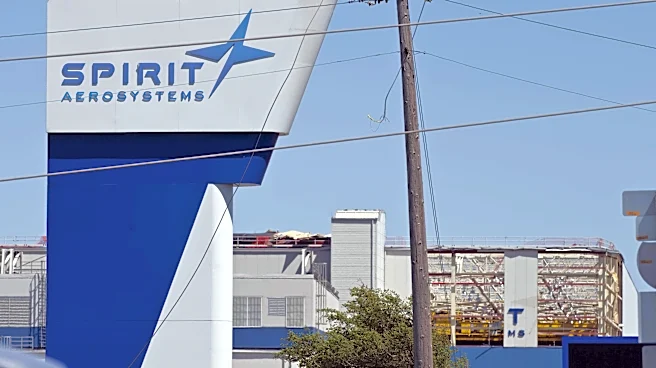
Boeing's fluctuating delivery numbers and persistent production challenges have significant implications for the U.S. aerospace industry and global aviation. The slower-than-anticipated ramp-up in 737 production, attributed to issues like wing-making bottlenecks and supplier disputes, directly impacts airline fleet expansion plans and the broader supply chain. Delays in meeting production targets can lead to financial penalties, affect customer relationships, and potentially shift market share to competitors like Airbus, which has delivered more aircraft year-to-date. The reliance on large single orders, such as the Avolon deal, highlights the volatility in monthly order figures and the importance of major leasing companies in sustaining demand. For airlines, these delays mean longer waits for new aircraft, potentially affecting their operational capacity, route expansion, and fuel efficiency goals. The company's ability to stabilize production is crucial for its financial performance, investor confidence, and its competitive standing in the global aircraft manufacturing market.
What's Next?
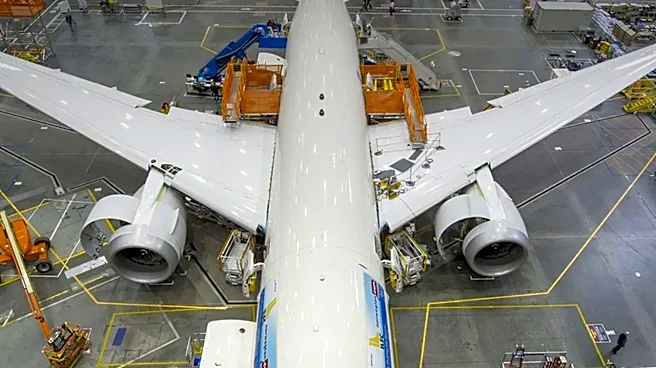
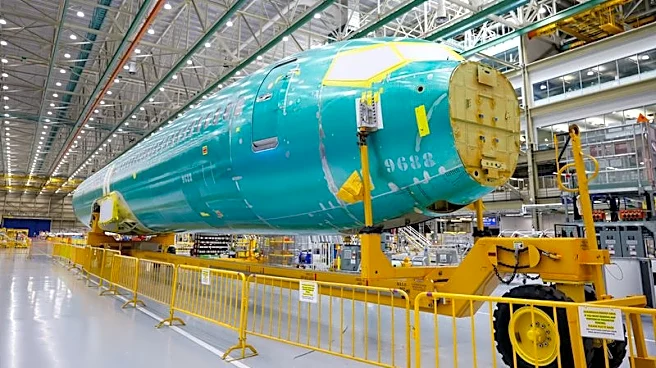
Boeing anticipates achieving its target production rate of 47 737 aircraft per month in early 2027, later than previously expected. The company is also working to address bottlenecks in wing production and stabilize fuselage output. Further, Boeing plans to begin deliveries of the 737 MAX 7 and MAX 10 aircraft, which received FAA certification in July and October respectively, in early 2027. The company's outstanding order book stood at 6,979 aircraft at the end of October, indicating a substantial backlog that needs to be addressed through improved production efficiency. Stakeholders, including airlines and investors, will closely monitor Boeing's progress in resolving production constraints and meeting its revised delivery schedules. The company's ability to consistently increase output will be key to its financial recovery and market position in the coming year.
Beyond the Headlines
The ongoing production struggles at Boeing extend beyond immediate delivery numbers, touching upon deeper issues within its manufacturing ecosystem and supply chain resilience. The challenges in ramping up 737 production, despite strong demand, underscore the complexities of modern aircraft manufacturing and the delicate balance required across a vast network of suppliers. This situation could prompt a re-evaluation of supply chain strategies within the aerospace industry, potentially leading to increased vertical integration or diversification of suppliers to mitigate risks. Furthermore, the delays in delivering new, more fuel-efficient aircraft could have broader environmental implications, as airlines continue to operate older, less efficient models for longer. The company's ability to overcome these hurdles will not only impact its financial health but also influence the pace of fleet modernization and the overall sustainability efforts of the aviation sector.