



What's Happening?
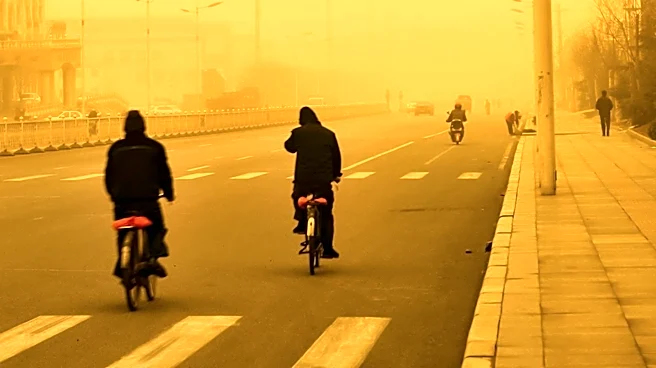
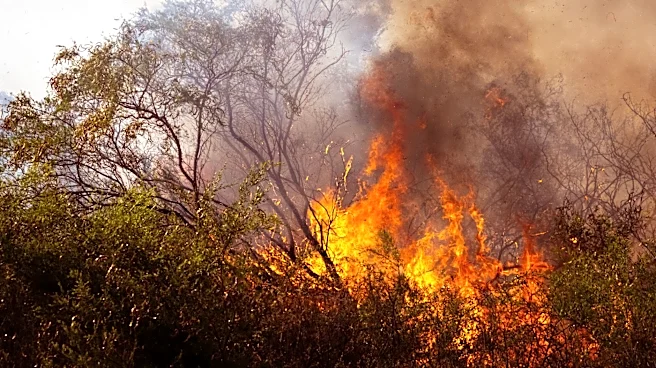
Cyclists and other outdoor athletes are increasingly confronting significant health risks due to wildfire smoke and general air pollution, necessitating adjustments to their training routines. Wildfires, exacerbated by climate change, are now a regular
occurrence, spreading smoke laden with fine particulate matter (PM2.5) thousands of miles. This PM2.5 is particularly problematic as it can enter the bloodstream, causing short-term inflammatory responses in respiratory, cardiovascular, and immune systems, and long-term issues like heart disease, lung cancer, and respiratory infections. Athletes inhale significantly more air during exercise, amplifying their exposure. The Air Quality Index (AQI) is now a crucial tool for athletes to assess risk, with recommendations ranging from normal activity in 'Good' air quality (0-50 AQI) to avoiding all outdoor activity in 'Very Unhealthy' (201-300 AQI) or 'Hazardous' (310-500 AQI) conditions. Factors like timing, duration, and intensity of workouts, as well as the time of day, are also critical considerations for minimizing exposure.
Why It's Important?
The increasing prevalence of wildfire smoke and poor air quality represents a significant public health challenge, particularly for the athletic community. This issue directly impacts the well-being and training capabilities of millions of Americans who engage in outdoor sports. The long-term health consequences of repeated exposure to PM2.5, even at moderate levels, can negate the benefits of exercise and lead to chronic diseases. For professional and amateur athletes, this means a fundamental shift in how they plan and execute their training, potentially affecting performance, career longevity, and overall health. The economic impact could also be substantial, affecting sports events, tourism in affected regions, and healthcare costs associated with pollution-related illnesses. This situation underscores the broader societal implications of climate change and environmental degradation, forcing individuals and communities to adapt to new environmental realities and prioritize health in their daily activities.
What's Next?
Athletes are advised to regularly check the Air Quality Index (AQI) using resources like AirNow.Gov before engaging in outdoor activities. When air quality is compromised, adjustments to training are recommended, including reducing the duration and intensity of workouts, or opting for indoor training alternatives. Studies suggest that PM2.5 inhalation is higher during morning activity, while ozone pollution can be worse during afternoon rush hour in urban areas, influencing optimal training times. While N95 masks can filter contaminants, their use often indicates that outdoor activity is ill-advised. The trend of increasing wildfires and air pollution suggests that these considerations will become a permanent part of athletic planning. This may lead to greater investment in indoor training facilities, the development of more sophisticated air quality monitoring tools, and increased advocacy for environmental policies aimed at mitigating climate change and pollution.
Beyond the Headlines
Beyond the immediate health and training implications, the rise of wildfire smoke and poor air quality highlights a profound shift in our relationship with the outdoor environment. What was once considered a natural and healthy space for recreation is now increasingly subject to environmental hazards. This forces a re-evaluation of 'outdoor' activities and potentially accelerates the adoption of indoor alternatives, transforming the landscape of sports and fitness. There are also ethical considerations for event organizers and sports governing bodies regarding athlete safety and fair competition when environmental conditions are variable. The issue also brings into focus the disparities in environmental exposure, as certain communities may be disproportionately affected by pollution. Ultimately, this situation serves as a tangible and immediate consequence of climate change, compelling individuals and institutions to confront environmental realities and adapt their lifestyles and policies accordingly.