









What's Happening?
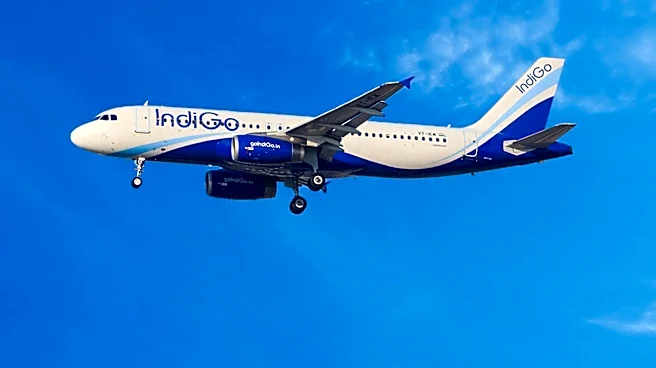
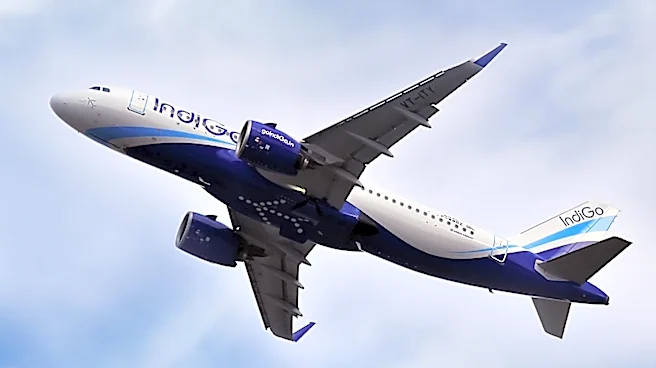
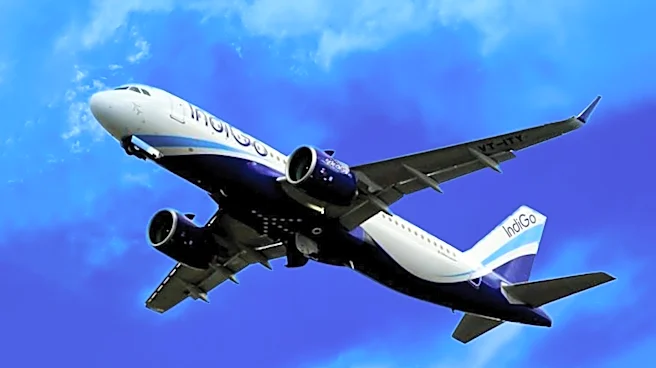
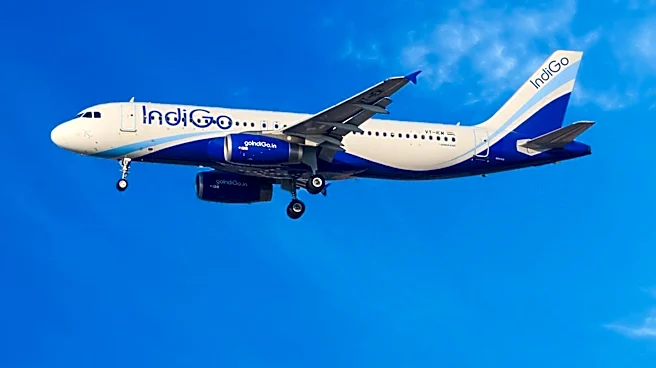
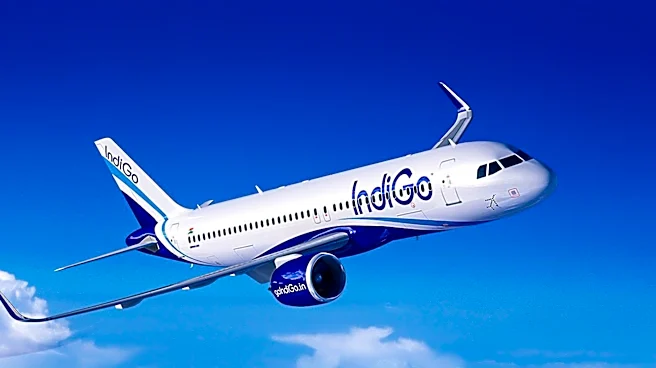
Brazilian aircraft manufacturer Embraer is engaged in early-stage negotiations with IndiGo, India's largest airline, for a potential order of 100 regional aircraft, with options for an additional 50. This potential deal, if finalized, could represent
one of Embraer's largest commercial aircraft orders in its history. The discussions are part of IndiGo's broader fleet and network expansion strategy, aiming to enhance its ability to serve smaller cities and develop routes where larger Airbus A320-family aircraft might not be commercially optimal. For Embraer, this agreement would significantly expand its presence in the Indian aviation market, where it currently has a limited commercial footprint. The proposed order has not yet been allocated to a specific aircraft type, with Embraer’s E175, E190-E2, and E195-E2 families all being considered. Deliveries, should a firm contract be reached, are not expected to begin before 2030.
Why It's Important?
This potential deal holds significant implications for both Embraer and the global aviation market. For Embraer, securing an order of this magnitude from a major airline like IndiGo would be a strategic breakthrough, substantially boosting its commercial aviation order backlog, which already reached $15.8 billion in the third quarter of 2026. It would also increase the visibility of its E-Jet family in the fast-growing Asian aviation market and create opportunities for future aircraft sales, maintenance, and support services. For IndiGo, the acquisition of regional jets would provide greater operational flexibility, allowing it to expand its network to smaller cities and increase flight frequencies, thereby tapping into new market segments. This move also underscores the increasing importance of regional aircraft in a global aviation market characterized by fleet expansion, network diversification, and a demand for more efficient operations, particularly in rapidly developing markets like India.
What's Next?
The negotiations between Embraer and IndiGo are currently in the early stages, meaning a firm agreement is yet to be finalized. Both companies will continue discussions to iron out details regarding aircraft types, delivery schedules, and financial terms. Should the deal materialize, Embraer will focus on ramping up production capabilities to meet the potential demand, with deliveries not expected before 2030. For IndiGo, the integration of regional jets into its fleet will necessitate adjustments to its operational strategies, route planning, and pilot training programs. The outcome of these negotiations will be closely watched by other airlines and aircraft manufacturers, as it could signal future trends in regional aviation market demand and competitive dynamics, particularly in emerging economies. A successful deal could also encourage Embraer to further invest in its presence and partnerships within the Indian aerospace sector.
Beyond the Headlines
This potential agreement highlights a deeper strategic shift in the global aviation industry towards more diversified fleets and network optimization. As major airlines seek to serve a wider range of destinations, including smaller, underserved markets, regional jets become increasingly vital. This trend reflects a growing recognition that a 'one-size-fits-all' approach to aircraft fleets is no longer sufficient for maximizing profitability and market reach. The deal also underscores the economic rise of India as a critical aviation market, with its rapidly expanding domestic travel sector presenting significant opportunities for aircraft manufacturers. Furthermore, it could intensify competition between Embraer and other regional jet manufacturers, pushing for further innovation in aircraft efficiency, passenger comfort, and operational flexibility. The long-term implications could include a more fragmented and specialized global airline network, with regional connectivity playing an ever-more crucial role in overall economic development.