
What's Happening?
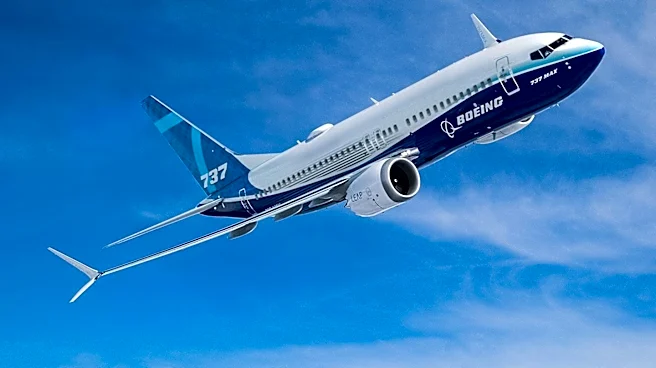
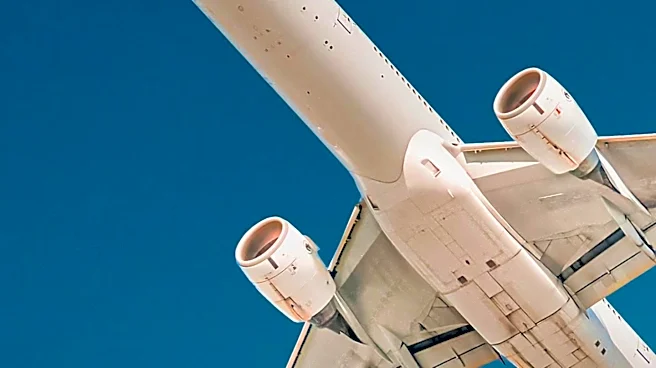
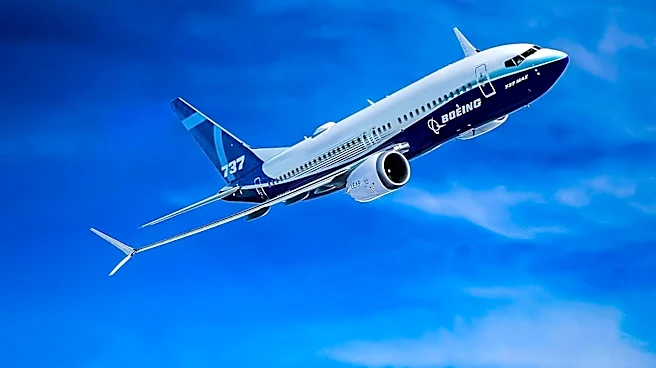
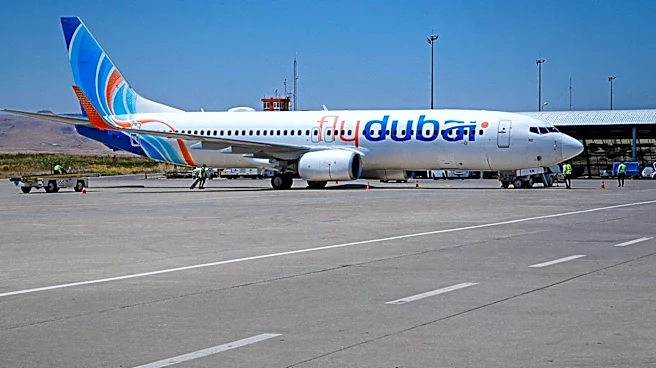
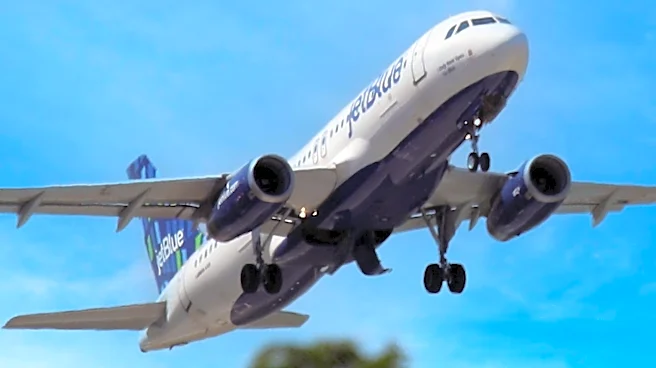
The Federal Aviation Administration (FAA) has issued an airworthiness directive requiring inspections of Boeing 737 Max fuselages for potential cracks. This directive affects approximately 471 aircraft and follows reports of similar issues in older Boeing models.
The inspections are set to begin in September and are part of a broader effort to ensure the structural integrity of the aircraft. Boeing has been working with airlines since 2019 to address this issue, and the inspections are expected to provide multiple opportunities to identify and correct problems before they become critical. The directive is similar to previous FAA mandates for Boeing 737 Next Generation models.
Why It's Important?
The FAA's directive highlights ongoing concerns about the safety and reliability of Boeing's 737 Max aircraft, which have been under intense scrutiny since two fatal crashes in 2018 and 2019. Ensuring the structural integrity of these planes is crucial for maintaining public confidence in air travel safety. The inspections could lead to operational disruptions for airlines, potentially affecting flight schedules and financial performance. For Boeing, this development underscores the need for rigorous quality control and engineering improvements to prevent future safety issues. The company's ability to address these challenges effectively will be critical to restoring its reputation and market position.
What's Next?
Boeing will continue to collaborate with the FAA and airlines to complete the required inspections and implement any necessary engineering changes. The company is likely to focus on enhancing its quality control processes to prevent similar issues in the future. As the aviation industry closely monitors Boeing's response, the company will need to demonstrate its commitment to safety and reliability. The outcome of these inspections and Boeing's subsequent actions will have significant implications for its financial performance and investor confidence.