





What's Happening?
Modern and minimalist homes are increasingly incorporating statement lighting, with a particular focus on wooden pendant lights and contemporary chandeliers. These fixtures are being utilized to enhance atmosphere, functionality, and visual appeal across
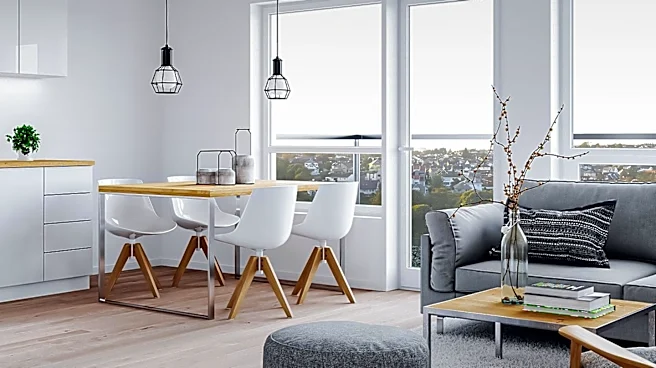
various rooms. In dining rooms, elongated wooden pendant lights are serving as elegant centerpieces, while narrow wooden pendant lights are providing functional yet stylish illumination for kitchen islands. Living spaces are adopting layered lighting approaches, combining ambient, task, and accent lighting with modern and wooden chandeliers to create versatile environments. The trend emphasizes natural warmth and texture, complementing both contemporary and classic interiors, and drawing inspiration from styles like Scandinavian and Japandi lighting. Specific examples include the Long Oval Wooden Pendant Light for dining areas and the Narrow Wooden Pendant Light for kitchen islands, highlighting their role in defining spaces and adding sophistication.
Why It's Important?
This shift in interior design reflects a broader consumer preference for aesthetics that blend functionality with artistic expression in home environments. For the U.S. home decor and lighting industries, this trend signifies a growing market for specialized, design-focused lighting solutions, moving beyond purely utilitarian fixtures. Manufacturers and retailers focusing on natural materials like wood, and unique designs such as Murano glass cascading chandeliers or geometric pendant lights, stand to gain significantly. This trend also impacts interior designers, who must adapt their offerings to meet the demand for sophisticated, statement-making lighting that integrates seamlessly into minimalist and modern aesthetics. Homeowners benefit from improved ambiance and functionality, while the emphasis on natural materials aligns with broader sustainability interests in consumer goods, potentially influencing supply chains and material sourcing within the industry.
What's Next?
The continued evolution of this trend suggests that lighting manufacturers will likely invest further in innovative designs using sustainable and natural materials. We can anticipate a wider array of wooden pendant lights, chandeliers, and other statement fixtures entering the market, catering to diverse aesthetic preferences within the modern and minimalist categories. Interior designers will continue to integrate these elements into their projects, potentially leading to new design philosophies that prioritize lighting as a primary architectural and decorative feature. Furthermore, the demand for customizable and smart lighting solutions that can adjust to different moods and functions is expected to grow, offering opportunities for technological advancements in the sector. Retailers may also expand their curated collections of luxury and artisanal lighting to meet the discerning tastes of consumers seeking unique and impactful home decor elements.
Beyond the Headlines
Beyond the immediate aesthetic and market implications, the embrace of statement lighting, particularly with natural materials like wood, reflects a deeper cultural shift towards creating more mindful and harmonious living spaces. In an increasingly digital and fast-paced world, there's a growing desire for homes to be sanctuaries that offer warmth, comfort, and a connection to nature. Wooden lighting fixtures, with their organic textures and calming presence, contribute to this sense of well-being and biophilic design. This trend also highlights the evolving role of lighting from a mere utility to a central element of artistic expression and personal identity within the home. It encourages a more thoughtful approach to interior design, where each element is carefully chosen to contribute to the overall mood and functionality, fostering environments that are both beautiful and conducive to a higher quality of life.