




What's Happening?
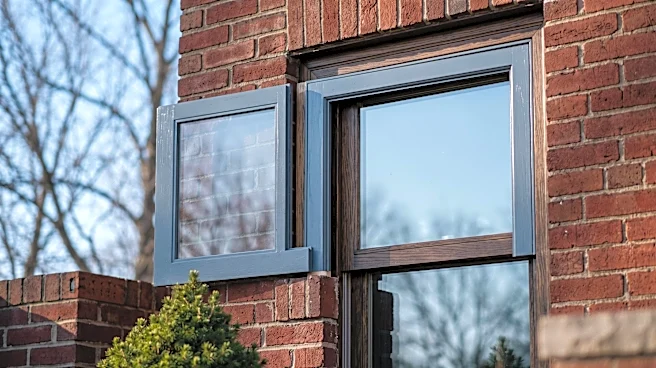
As cold weather approaches, homeowners are encouraged to install storm windows as a simple yet effective maintenance task to save money on heating costs and enhance indoor comfort. This involves removing summer screens and replacing them with storm windows.
The space between the main window and the storm window acts as an insulating air pocket, which reduces heat transfer and blocks cold drafts. This insulation helps maintain consistent indoor temperatures, preventing furnaces from overworking. Beyond energy efficiency, storm windows also protect existing windows from damage caused by snow, ice, and wind during harsh winter conditions. This practice is part of broader home winterization efforts, which include tasks like preventing pipes from freezing, cleaning gutters, and insulating outdoor faucets.
Why It's Important?
The installation of storm windows is important for U.S. homeowners as it directly impacts household budgets and energy consumption. By improving a home's thermal efficiency, storm windows can significantly lower heating bills, providing financial relief during the colder months. This is particularly relevant given fluctuating energy prices and the general desire to reduce utility expenses. Furthermore, enhanced insulation contributes to a more comfortable living environment by eliminating drafts and maintaining stable indoor temperatures. For homeowners, this means a warmer home without the constant strain on heating systems. The protective aspect of storm windows also extends the lifespan of primary windows, reducing future repair or replacement costs. This maintenance task offers a practical solution for both immediate comfort and long-term financial benefits, making homes more resilient to winter weather.
What's Next?
Homeowners who do not currently have storm windows may consider them a worthwhile investment, with both interior and exterior styles available for purchase, many designed for easy installation. Retailers like Home Depot and Lowe's offer a variety of options across different price points to suit various budgets. For those unable to invest in storm windows immediately, alternative measures can still be taken to protect homes from cold temperatures. These include inspecting and replacing missing or damaged weatherstripping and caulking around window frames to improve the efficiency of existing windows. Homeowners are advised to prioritize these winterization tasks in the fall to prepare for the upcoming cold season and maximize energy savings.
Beyond the Headlines
The emphasis on storm windows highlights a broader trend in homeownership towards energy efficiency and sustainable living. While seemingly a minor upgrade, the cumulative effect of such improvements across many households can contribute to reduced national energy demand and a smaller carbon footprint. This practice also underscores the importance of proactive home maintenance, shifting from reactive repairs to preventative measures that offer both economic and environmental benefits. The availability of various options, from budget-friendly caulking to more significant investments in storm windows, reflects a tiered approach to home improvement, allowing homeowners to choose solutions that align with their financial capacity and long-term goals. This focus on practical, accessible solutions for energy conservation is a key aspect of modern residential sustainability.