




What's Happening?
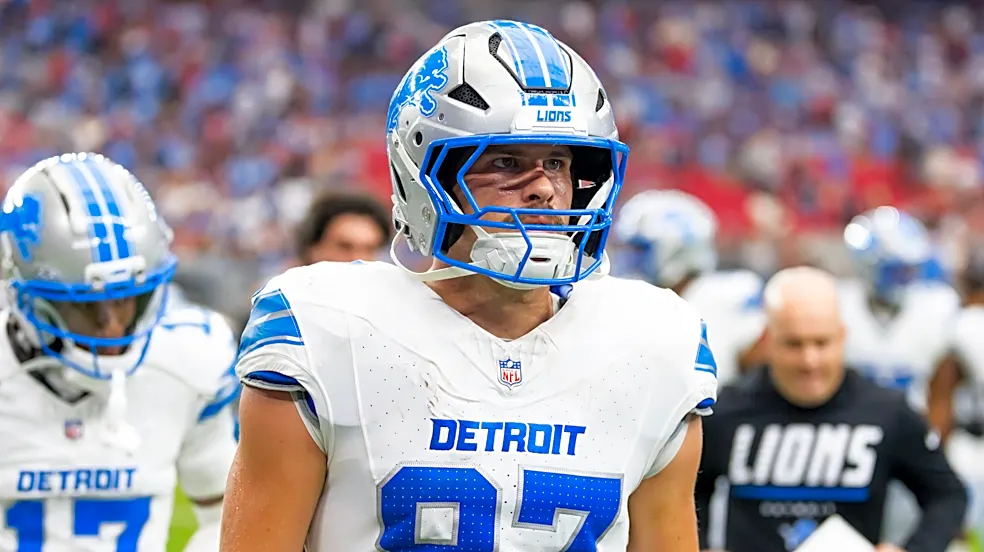
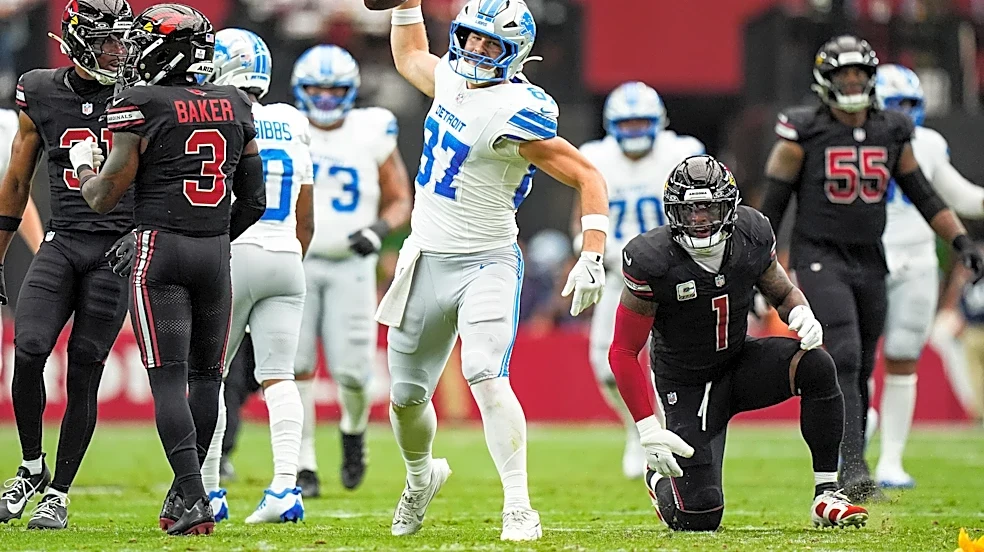
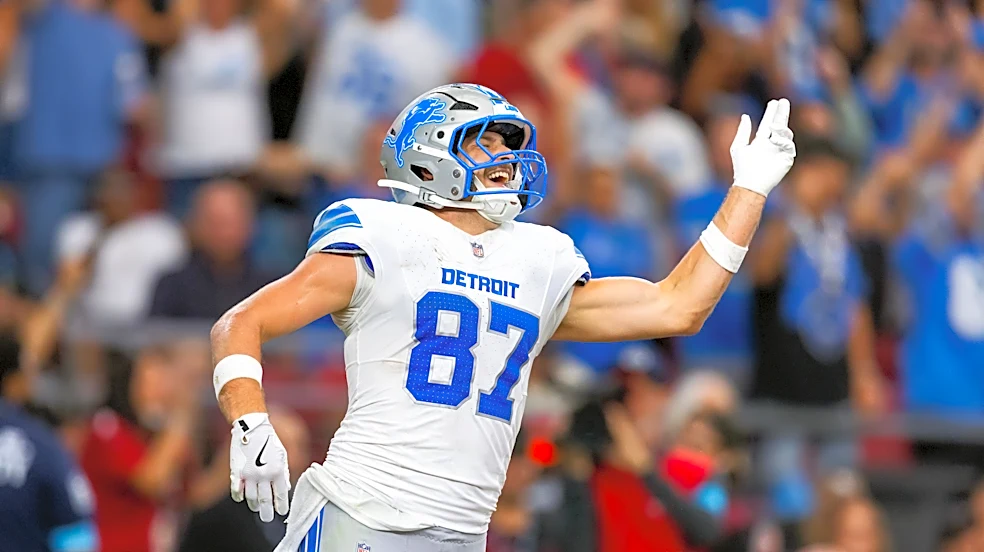
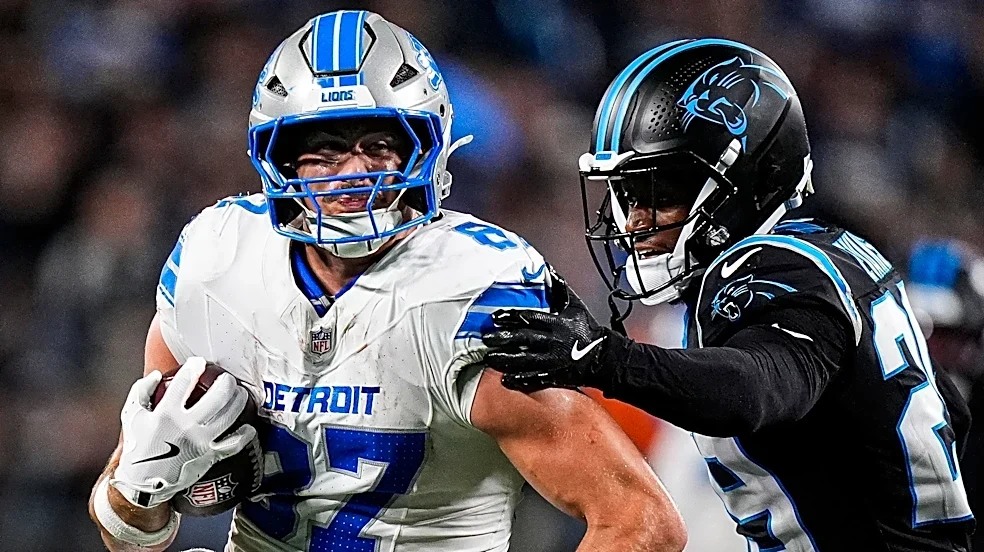
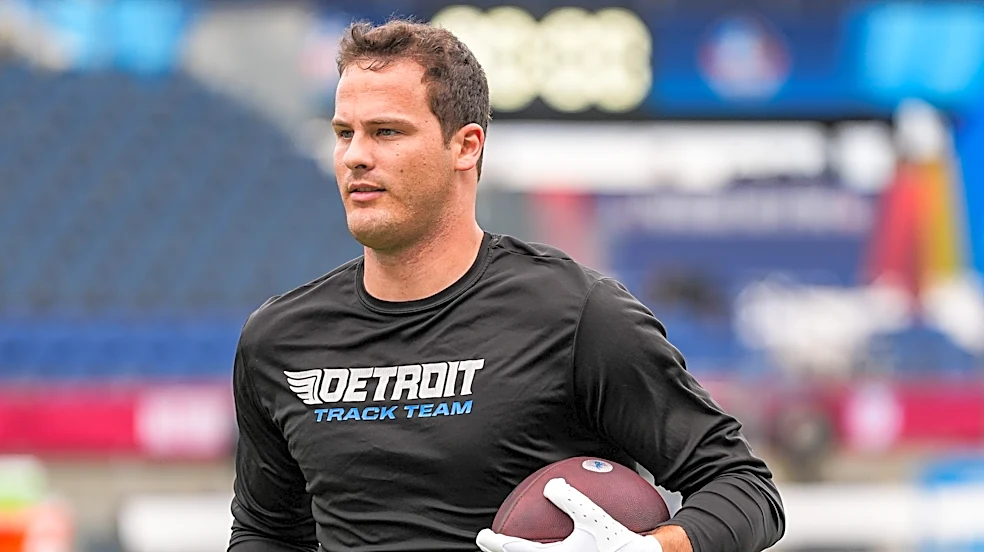
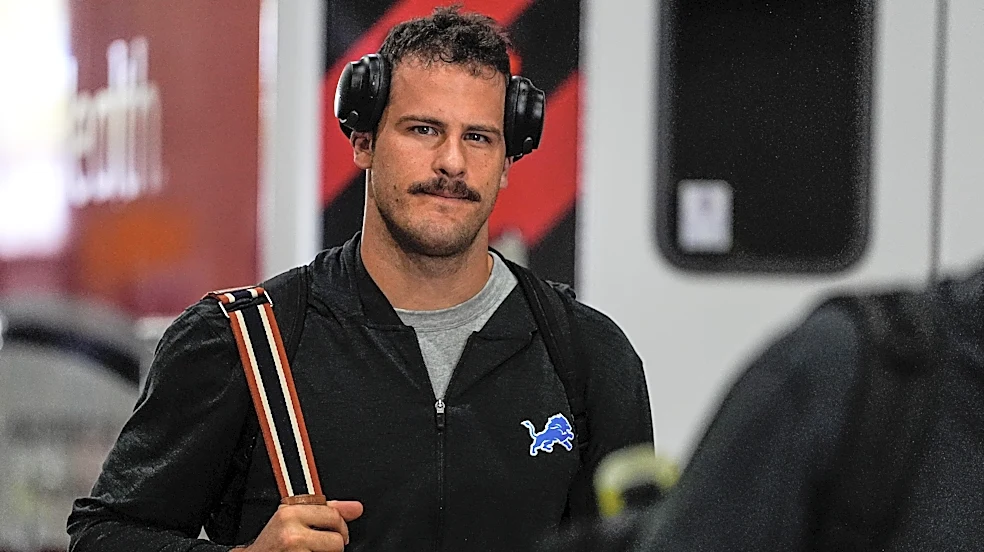
Detroit Lions tight end Sam LaPorta voiced his frustration regarding his contract situation during an appearance on the 'Pardon My Take' podcast. LaPorta indicated disappointment with the lack of a new deal, especially after sustaining a back injury last
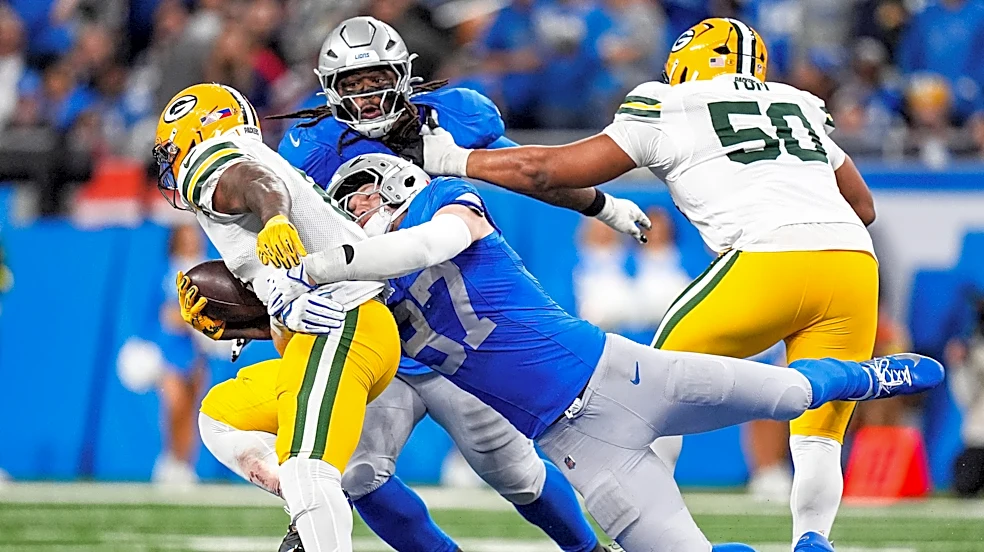
season and performing well this year. He stated, "It’s disappointing that you go out there every week and you bear the risk of getting hurt, like last year, I break my f**king back for the team, and then I’m going out there this year and I’m ballin' and maybe they’re just not showing the love." He further suggested he would seek compensation elsewhere if a deal isn't reached, saying, "in three months if I don’t get to wear the Honolulu blue and play for the Lions anymore, it’s going to be all good. I’ll go get paid somewhere else." This public statement has generated discussion among fans and within the team, though teammate Jack Campbell downplayed its impact on the locker room, acknowledging the business aspect of the NFL.
Why It's Important?
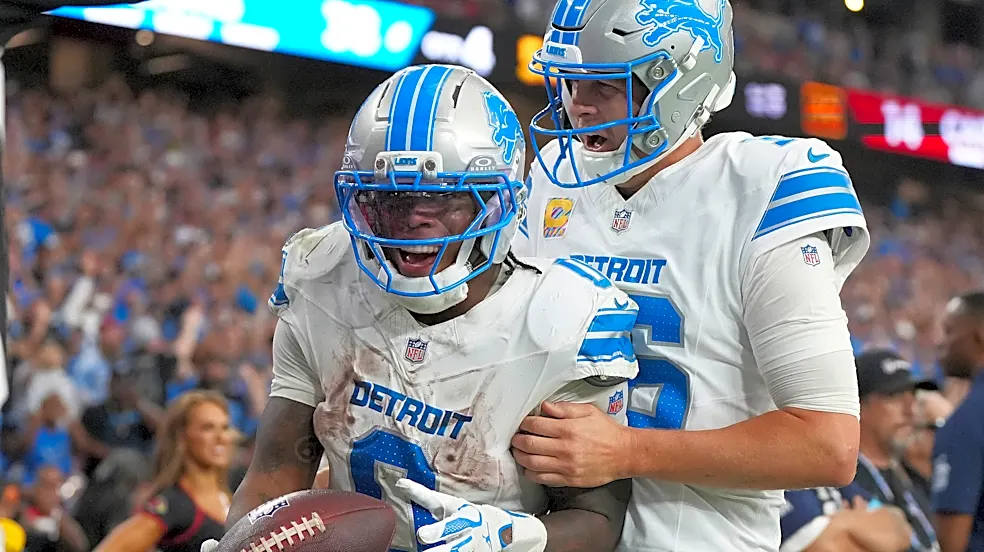
LaPorta's public comments highlight the ongoing tension between player performance, injury risk, and contract negotiations in professional sports. His situation underscores the financial vulnerability athletes face, particularly in high-impact sports like football, where a career-altering injury can occur at any moment. For the Detroit Lions, this creates a potential distraction and puts pressure on the front office to address a key player's contract. The team has recently extended other core players from the same draft class, such as Jack Campbell and Jahmyr Gibbs, making LaPorta's unaddressed contract a point of contention. His strong performance this season, following a significant injury last year, strengthens his bargaining position and could set a new benchmark for tight end contracts in the NFL, impacting future negotiations across the league.
What's Next?
While LaPorta has publicly expressed his desire for a new contract, an NFL Insider suggests that a new deal is unlikely to materialize until after the current season concludes. The Lions could also opt to use the franchise tag on LaPorta in the offseason, valued at approximately $17 million in 2027, to retain him for another year, though this might further irk the player. The team also needs to consider an extension for Brian Branch, another key player from the same draft class who is returning from injury. The ongoing negotiations and LaPorta's future with the team will likely remain a significant storyline for the Lions, especially given his critical role in their offense. The outcome of these discussions could influence how other teams approach contract negotiations with their star players in similar situations.
Beyond the Headlines
LaPorta's candid remarks on a podcast reflect a growing trend of athletes using direct media channels to voice concerns, bypassing traditional team-controlled narratives. This shift can empower players but also expose them to public scrutiny and potential backlash, as seen with some fan reactions. The situation also brings to light the complex financial strategies NFL teams employ, balancing salary cap management with retaining talent. The Lions' decision-making process regarding LaPorta's contract will not only affect their on-field performance but also their reputation among players as a franchise that values and rewards its talent. This dynamic interplay between player agency, team management, and public perception is a constant undercurrent in professional sports.