



What's Happening?
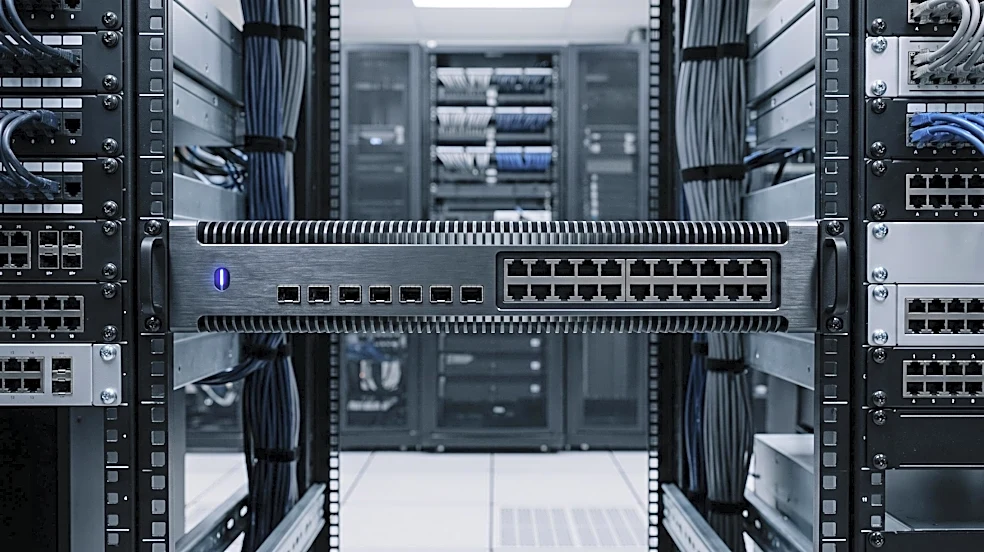
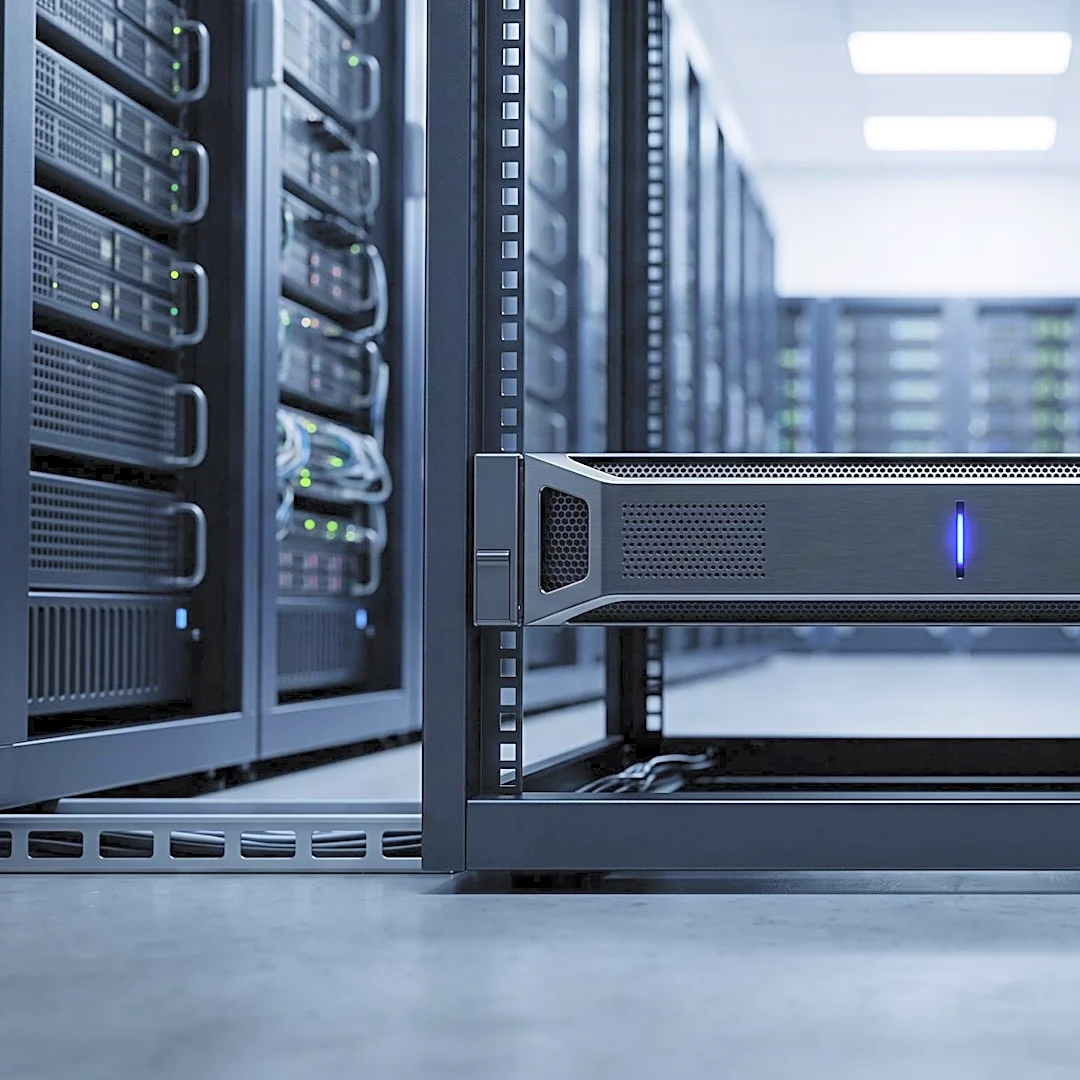
Palo Alto Networks is introducing new PA-Series hardware firewall appliances, completing its fifth-generation portfolio. These additions are designed to enhance security performance and deployment options across various environments, including branches,
campuses, data centers, and critical infrastructure. The new firewalls aim to support the increasing demands of AI adoption and prepare organizations for the transition to post-quantum cryptography. The fifth-generation portfolio features updated processing architectures and hardware acceleration, with custom silicon in the PA-3500, PA-5500, and PA-7500 Series to handle massive traffic volumes and concurrent connections generated by AI-enabled networks. These appliances combine advanced hardware with PAN-OS and Cloud-Delivered Security Services, offering features like Application-ID throughput, high-speed connectivity, decryption, and application-layer inspection. The company emphasizes that these new firewalls will help organizations maintain consistent security standards and a unified approach to managing their environments, even as they modernize their networks and expand their digital footprint. The expansion includes models like the modular PA-7500 for large deployments, the PA-5500 Series for enterprise data centers and large campuses, the PA-3500 Series for campus networks, the PA-1500 Series for large branches, and the PA-500 Series for smaller branches and remote offices, with some models offering integrated cellular connectivity and Power over Ethernet (PoE).
Why It's Important?
The expansion of Palo Alto Networks' 5th-generation hardware firewalls is crucial for U.S. industries and government entities facing rapidly evolving cybersecurity threats. The rise of AI applications and agentic workflows is generating unprecedented traffic and connections, demanding more robust security infrastructure. These new firewalls, with their AI-scale capabilities, are vital for organizations to sustain deep inspection without compromising application performance. Furthermore, the focus on quantum resilience addresses a significant long-term threat: the potential for quantum computing to break traditional encryption methods. This 'harvest now, decrypt later' risk could expose sensitive data encrypted today. By supporting the transition to post-quantum cryptography through enhanced processing capacity and quantum-resistant IPsec VPNs, Palo Alto Networks is helping U.S. organizations protect their data against future decryption capabilities. This proactive approach is essential for sectors handling classified information, financial data, and critical infrastructure, where data integrity and confidentiality are paramount. The ability to secure diverse environments, from remote utility substations to large data centers, ensures that the digital way of life in the U.S. remains protected against sophisticated cyberattacks, impacting national security, economic stability, and public trust.
What's Next?
Organizations utilizing Palo Alto Networks' solutions will begin integrating these new PA-Series hardware firewalls into their existing network infrastructures. The immediate next step for many will involve assessing their current security needs against the capabilities of the new models, particularly concerning AI-driven traffic and post-quantum cryptography readiness. Palo Alto Networks will likely provide further guidance and support for deployment and configuration, leveraging Strata Cloud Manager for centralized visibility and policy management. This will enable teams to manage security posture, monitor operational health, and coordinate changes across distributed deployments more efficiently. We can anticipate increased adoption of these firewalls in sectors heavily reliant on AI and those with stringent data security requirements, such as finance, government, and critical infrastructure. The company will also continue to monitor the evolving threat landscape, especially in AI and quantum computing, to further refine and update its security services and hardware. Additionally, the industry will observe how these advancements influence the broader cybersecurity market, potentially prompting other vendors to accelerate their own AI-scale and quantum-resilient security offerings.
Beyond the Headlines
The introduction of these advanced firewalls by Palo Alto Networks signifies a deeper shift in cybersecurity strategy, moving beyond reactive defense to proactive, future-proof protection. The emphasis on 'AI scale' highlights the growing recognition that AI is not just a tool for attackers but also a critical component for defenders. This development underscores the ethical imperative for organizations to secure AI systems, as vulnerabilities in these systems could have far-reaching societal and economic consequences. The focus on quantum resilience also brings to light the long-term strategic implications of quantum computing. While practical quantum computers capable of breaking current encryption are still some years away, the 'harvest now, decrypt later' threat means that data intercepted today could be decrypted in the future. This necessitates a fundamental re-evaluation of data protection strategies, pushing organizations to adopt quantum-resistant solutions well in advance. This move by Palo Alto Networks could catalyze broader industry adoption of quantum-safe technologies, influencing future standards and regulations for data security. It also raises questions about the accessibility of such advanced security to smaller organizations, potentially creating a security divide if only large enterprises can afford and implement these cutting-edge protections.