




What's Happening?
A growing trend among homeowners is the rejection of smart home technology in favor of 'dumb homes' or 'analog interiors.' This shift is characterized by a preference for pared-back appliances and mechanical systems over intelligent devices and Bluetooth-enabled
everything. Designers like Bari Jerauld of Blank Slate Studio and Thomas Jayne, an interior designer in New York City, report that clients are actively seeking spaces with less technology, driven by a desire to escape the overstimulation of digital environments. Dr. Sally Augustin, an applied environmental psychologist, notes that complex smart systems can degrade a homeowner's feeling of control and are prone to failure, leading to frustration. The movement is also influenced by families, with parents increasingly aware of screen time and seeking to create environments that encourage more human interaction.
Why It's Important?
This trend signifies a notable cultural and societal shift away from the pervasive integration of technology into every aspect of daily life, particularly within the home environment. For the U.S. technology and smart home industries, this could represent a challenge, as it indicates a potential saturation point or even a backlash against constant digital connectivity. Manufacturers of smart devices may need to re-evaluate their product development strategies, potentially focusing on simpler, more reliable, or less intrusive technologies. For consumers, this movement offers a pathway to reduce digital fatigue and foster environments that prioritize comfort, character, and human connection. It also highlights a growing awareness of the psychological impact of technology, suggesting a desire for spaces that promote mental well-being and reduce stress associated with technological glitches or constant updates. The emphasis on cost-efficiency, as analog touches are often more durable and less prone to obsolescence, also presents an economic argument for this trend.
What's Next?
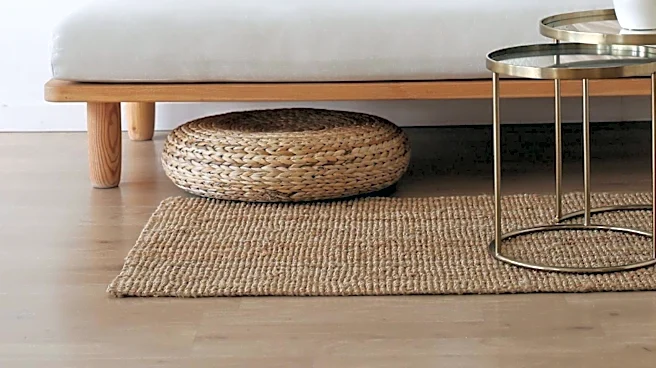
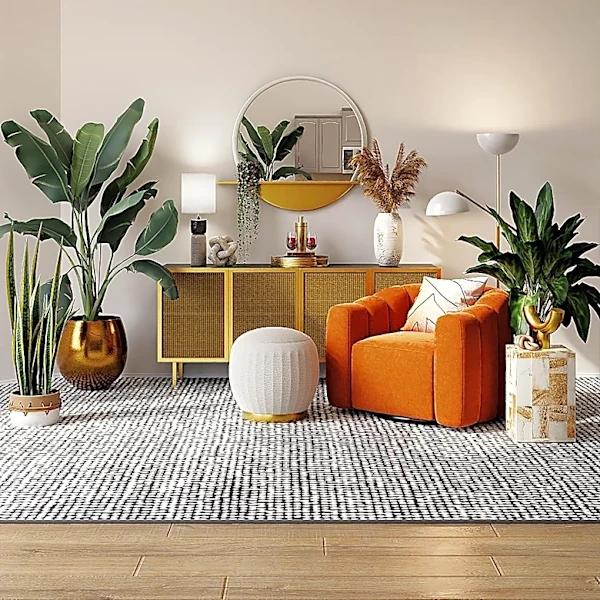
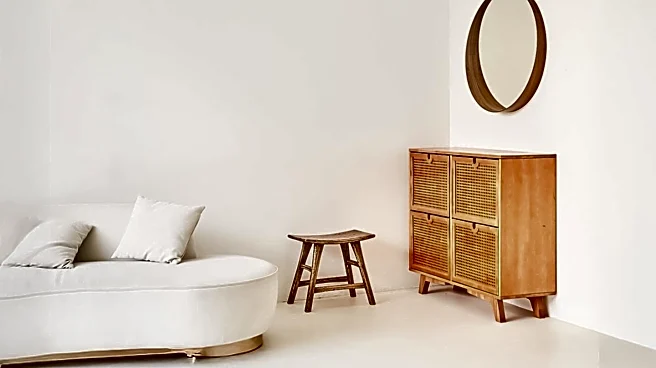
The 'dumb home' trend is expected to continue gaining momentum, influencing interior design and consumer product choices. We may see an increase in demand for traditional, non-smart appliances and home systems, prompting manufacturers to offer more analog options. Interior designers will likely incorporate more elements that evoke a sense of history and warmth, such as curved furniture, handmade rugs, and natural materials, to meet client preferences for less tech-driven spaces. This could also lead to a re-evaluation of marketing strategies within the home goods sector, shifting focus from technological advancement to durability, timelessness, and the creation of emotionally resonant spaces. Furthermore, as more families prioritize reduced screen time, there might be a rise in products and services that support offline activities and foster in-person interactions within the home. The long-term impact could be a more balanced approach to technology integration, where smart features are adopted only when they genuinely enhance quality of life without adding complexity or stress.
Beyond the Headlines
The 'dumb home' movement extends beyond mere aesthetic preference; it reflects a deeper societal introspection about our relationship with technology and its impact on well-being. Ethically, it raises questions about the constant pressure to upgrade and consume new technologies, and the environmental footprint associated with rapidly evolving smart devices that often become obsolete. Culturally, it represents a yearning for authenticity and a return to simpler ways of living, challenging the notion that technological advancement always equates to progress or improved quality of life. This trend could also foster a greater appreciation for craftsmanship and durable goods, moving away from a disposable culture. Psychologically, by reducing digital distractions, these analog spaces may encourage mindfulness, deeper conversations, and a stronger sense of presence within one's home. It suggests a redefinition of 'luxury,' where true luxury is not about having the most advanced gadgets, but rather about creating a sanctuary that offers peace, comfort, and genuine human connection, free from the demands of the digital world.