





What's Happening?
Efforts to revive condominium development in California are facing significant challenges due to longstanding legal and financial barriers. A state law aimed at protecting condo owners from construction defects has led to widespread litigation and increased
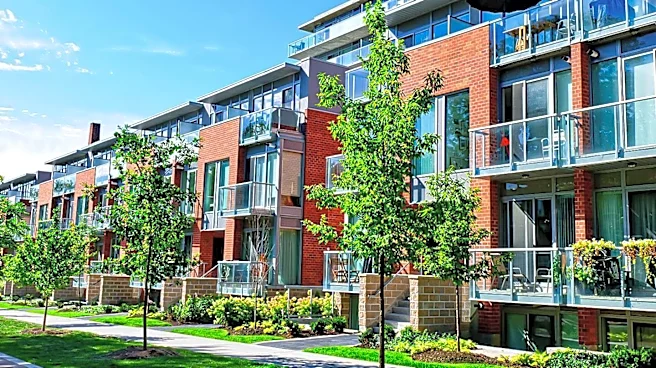
insurance premiums, deterring developers. Recent legislative efforts in Sacramento have sought to address these issues by narrowing liability exposure and allowing more flexible use of down payments for financing. However, opposition from consumer attorneys and homeowner groups has weakened these measures. Despite the need for more affordable housing, particularly in the for-sale market, the construction of condominiums has significantly declined, with only about 3,000 units built annually in the state.
Why It's Important?
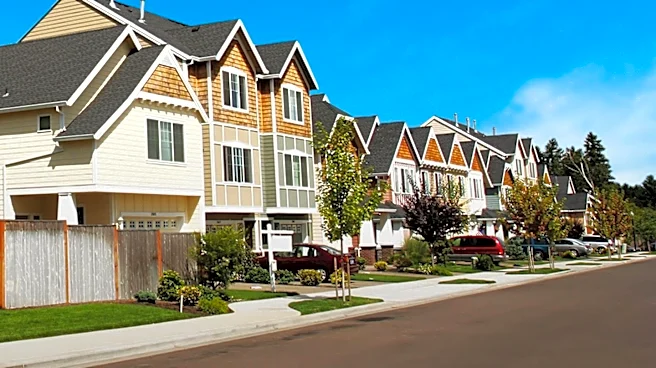
The decline in condominium construction has implications for California's housing market, particularly in terms of affordability and homeownership opportunities. Condominiums have traditionally served as entry-level homes, and their scarcity exacerbates the state's housing crisis. The legal and financial barriers to condo development highlight the complexities of balancing consumer protection with the need to incentivize construction. The outcome of these legislative efforts could influence housing policy and development trends, potentially impacting the availability and affordability of housing in California.
What's Next?
Advocates for condominium development are likely to continue pushing for legislative changes to make condo projects more viable. The ongoing debate may lead to further proposals aimed at reducing litigation risks and improving financing options. The success of these efforts will depend on the ability to address the concerns of various stakeholders, including developers, consumer groups, and policymakers. The resolution of these issues could play a critical role in shaping the future of California's housing market.