




What's Happening?
West Virginia Governor Patrick Morrisey announced a $40 million industrial site readiness initiative on November 10, 2026. This program, administered by the West Virginia Economic Development Authority, aims to prepare sites and construct shell buildings
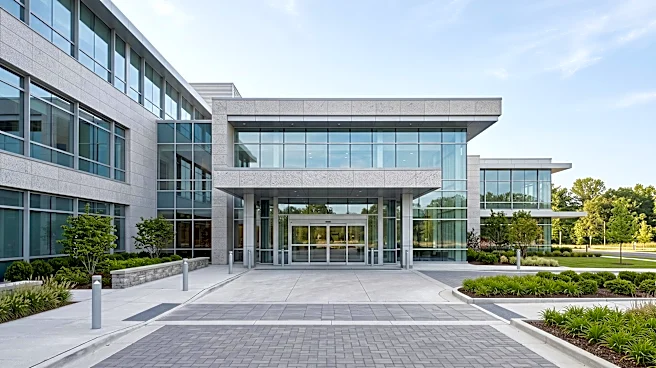
to attract private development across the state. The initiative is divided into two main components: $25 million for Ready Shell Building loans and $15 million for Site Readiness grants. The shell building loans, capped at $5 million per 30,000 to 50,000 square foot building, offer flexible financing with deferred payments for up to two years after construction or until the building is leased or sold. The Site Readiness grants target undeveloped land requiring environmental testing, grading, road access, or utility extensions. Grant recipients must begin site work within six months of receiving funds. Businesses occupying these shell buildings are required to pay at least 120% of the county median wage and create one job per 750 square feet of building space. Governor Morrisey reported over $96 billion in potential investments and 19,000 projected jobs from announcements since he took office, though the timeline for these jobs and funded projects is not yet established.
Why It's Important?
This initiative is crucial for West Virginia's economic competitiveness, as it directly addresses a key barrier to attracting new businesses: the lack of ready-to-develop industrial sites. By funding the preparation of undeveloped land and the construction of shell buildings, the state aims to significantly reduce the time and cost for companies looking to establish or expand operations. This 'speed to build' approach is intended to make West Virginia more attractive compared to neighboring states, which often have more developed industrial infrastructure. The program's requirements for businesses, including paying at least 120% of the county median wage and creating specific job ratios, are designed to ensure that the state's investment translates into higher-paying jobs and improved economic conditions for local workers. This strategy reflects a shift from solely relying on financial incentives to focusing on fundamental economic development, such as infrastructure and workforce readiness, to foster sustainable growth and increase the state's overall prosperity.
What's Next?
Following Governor Morrisey's announcement, the West Virginia Economic Development Authority will begin administering the $25 million in Ready Shell Building loans and $15 million in Site Readiness grants. Local communities and economic development organizations are expected to submit proposals for projects that align with the initiative's goals. Grant recipients will be required to commence site work within six months of receiving funds, indicating a relatively quick turnaround for initial development. Businesses considering locating in West Virginia will need to review the EDA's loan terms and the specific requirements for wage and job creation. The success of this initiative will likely be measured by the number of new businesses attracted, the quality of jobs created, and the overall increase in private investment in the state. Future legislative sessions may also see continued focus on workforce participation and population growth, identified by Governor Morrisey as priorities to complement these economic development efforts.
Beyond the Headlines
The $40 million industrial site readiness initiative in West Virginia highlights a broader trend in state-level economic development strategies, moving beyond simple tax incentives to invest in foundational infrastructure. This approach acknowledges that while financial incentives can be attractive, the availability of ready-to-use sites and a skilled workforce are often more critical factors for businesses making location decisions. The emphasis on 'speed to build' reflects the fast-paced nature of modern industrial development and the need for states to be agile in responding to market demands. Furthermore, the inclusion of wage and job creation requirements in the program underscores a commitment to not just attracting any business, but those that contribute positively to the local economy and improve the quality of life for residents. This initiative could serve as a model for other states looking to enhance their industrial competitiveness by proactively addressing infrastructure gaps and ensuring that public investments yield tangible benefits for their communities.