

What's Happening?
Brands such as Gap, Pizza Hut, and Bath & Body Works are increasingly tapping into nostalgia marketing by reviving styles and products from the Y2K era to attract Gen Z consumers. This demographic, born between 1996 and 2010, reportedly experiences 'borrowed
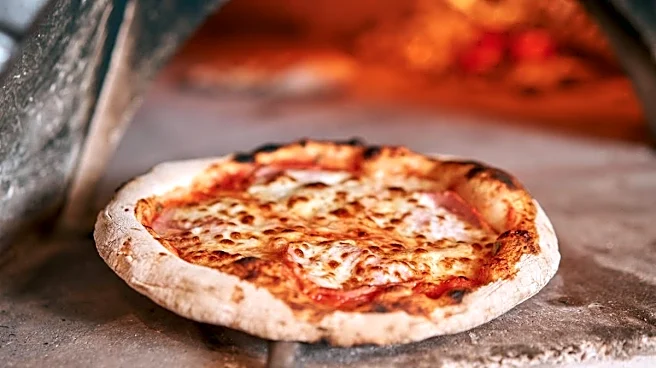
nostalgia' for periods they did not live through, with 65% expressing this sentiment according to a study by Vevo. Recent campaigns include Gap's collaboration with Hailey Bieber to promote 1996-style low-rise jeans, Pizza Hut's reintroduction of 1980s menu items, and Bath & Body Works' partnership with Hilary Duff for its Fruit Fusion range.
Why It's Important?
The trend of nostalgia marketing is significant as it highlights a shift in consumer behavior, particularly among Gen Z, who are drawn to the aesthetics and cultural elements of past decades. This approach allows brands to connect emotionally with younger consumers, potentially increasing brand loyalty and sales. By leveraging nostalgia, companies can differentiate themselves in a competitive market and tap into the cultural zeitgeist, which values retro and vintage styles. This strategy also underscores the importance of understanding generational preferences and adapting marketing tactics accordingly.