


What's Happening?
The television remote control, specifically Zenith Electronics' 'Space Command' introduced in 1956, significantly altered how Americans interacted with their televisions. Before its invention, changing channels required physically approaching the television set
and turning a dial. The first TV remote, 'Lazy Bone' (1950), was wired and caused tripping hazards. Its successor, the 'Flash-Matic' (1955), was wireless but resembled a gun and used light signals, leading to spontaneous channel changes on sunny days. The 'Space Command' remote, however, utilized sound waves, and its button presses produced a distinct clicking noise, coining the term 'clicker.' The widespread adoption of infrared remotes in the 1980s, coinciding with the rise of multichannel cable television, made the device indispensable. This technological advancement led to the emergence of 'channel surfers' and 'couch potatoes,' fundamentally changing television programming and consumption habits. David Bianculli, a TV critic for NPR’s 'Fresh Air' and a professor at Rowan University, notes that losing a remote became as frantic an event as losing a phone is today.
Why It's Important?
The invention and evolution of the television remote control, particularly Zenith's 'Space Command,' had a profound impact on American society and the entertainment industry. It democratized control over television viewing, shifting power from broadcasters to individual viewers. This newfound ability to easily switch channels fostered a culture of 'channel surfing,' which in turn pressured television networks to create more engaging and 'flashy' content to capture and retain audience attention. The remote control also contributed to the rise of the 'couch potato' phenomenon, influencing sedentary lifestyles. Economically, the demand for remote-controlled televisions and the subsequent development of more sophisticated remote technologies spurred innovation and competition within the electronics industry. The convenience offered by remotes became a standard expectation for consumer electronics, setting a precedent for user-friendly interfaces in other technologies. The late Zenith scientist Eugene Polley, a pioneer of wireless remote technology, even famously equated its importance to that of the flush toilet and sex, highlighting its perceived societal value.
What's Next?
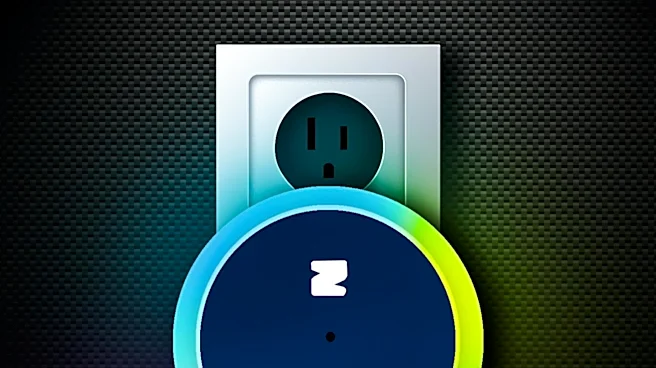
While the traditional remote control remains prevalent, its future is evolving with advancements in technology. The increasing integration of smart home devices and voice-activated assistants suggests a potential shift away from physical remotes. Appliances that can listen and respond to voice commands could render dedicated remote controls obsolete for many functions. However, the convenience and tactile feedback of a physical remote may ensure its continued presence, particularly for complex entertainment systems. The challenge for manufacturers will be to integrate remote functionalities seamlessly into broader technological ecosystems, potentially through universal remotes, smartphone applications, or advanced voice interfaces. The ongoing development of intuitive user experiences will dictate the next iteration of television control, moving beyond the 'clicker' while retaining the core convenience it introduced decades ago.
Beyond the Headlines
The remote control's impact extends beyond mere convenience, touching upon deeper psychological and social aspects of modern life. It amplified individual autonomy in media consumption, allowing viewers to curate their own experiences rather than passively accepting broadcast schedules. This shift contributed to a more fragmented media landscape, where individual preferences could be instantly gratified. The 'battle for the remote' within households also became a cultural trope, symbolizing power dynamics and negotiation within families. Furthermore, the remote control inadvertently fostered a sense of instant gratification, a characteristic that has become increasingly pervasive in the digital age. The expectation of immediate access and control, first popularized by the remote, has since been mirrored and amplified by the internet and mobile technology, shaping consumer behavior and expectations across various industries. The remote control, therefore, serves as an early harbinger of the on-demand culture prevalent today.