



What's Happening?
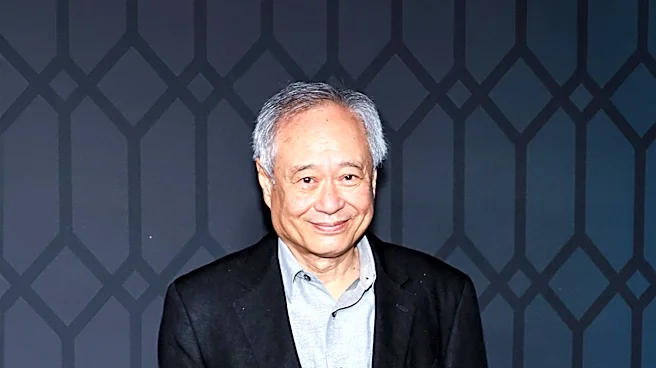
Ang Lee's 2000 film, 'Crouching Tiger, Hidden Dragon,' is being recognized for its significant impact on martial arts cinema by integrating profound emotional depth into the genre. Set in 1778 China during the Qing dynasty, the movie follows renowned
Wudang swordsman Li Mu Bai, who contemplates retirement and entrusts his legendary sword, 'Green Destiny,' to Yu Shu Lien for safekeeping in Beijing. The sword is subsequently stolen by a masked thief, later revealed to be Yu Jiaolong, the daughter of Governor Yu and a protégé of Mu Bai's old adversary, Jade Fox. The narrative intertwines intricate fight choreography with complex romantic subplots and unspoken feelings among the characters, including Yu Jiaolong's secret love affair with a bandit named Lo. The film's approach prioritizes character development and emotional storytelling alongside its visually stunning, gravity-defying action sequences, distinguishing it from traditional kung-fu flicks that often emphasize physical prowess over narrative depth.
Why It's Important?
The film's importance lies in its groundbreaking success in bringing Wuxia cinema to a global audience, including Oscar voters, who previously had limited exposure or appreciation for the genre. By infusing the martial arts framework with rich emotional narratives and character-driven plots, Ang Lee demonstrated that kung-fu films could achieve universal appeal and critical acclaim beyond their niche audience. This approach elevated the genre, proving that it could offer more than just impressive fight scenes by exploring themes of love, loyalty, and self-discovery. The film's commercial and critical triumph, including its Academy Award wins, opened doors for other international and martial arts films in Western markets, influencing how such movies are perceived and produced. It highlighted the potential for cultural exchange through cinema, showcasing the artistic and storytelling capabilities of non-Western filmmaking to a worldwide audience.
What's Next?
The enduring legacy of 'Crouching Tiger, Hidden Dragon' suggests continued influence on future martial arts and action films, encouraging filmmakers to explore deeper character development and emotional resonance within action-oriented narratives. Its success may inspire more cross-cultural cinematic projects that blend diverse genres and storytelling traditions. For audiences, the film continues to serve as a benchmark for quality in martial arts cinema, potentially driving interest in both classic and contemporary Wuxia films. The film's critical re-evaluation and ongoing discussions, such as this review, indicate its lasting cultural significance and its role in shaping perceptions of global cinema. Future analyses may further explore its impact on the careers of its stars, like Chow Yun Fat, Michelle Yeoh, and Zhang Ziyi, who gained international recognition through their performances.
Beyond the Headlines
Beyond its immediate success, 'Crouching Tiger, Hidden Dragon' delves into profound ethical and cultural dimensions, particularly regarding honor, duty, and personal freedom versus societal expectations. The character of Yu Jiaolong, torn between her aristocratic obligations and her rebellious spirit, embodies the struggle against traditional constraints. The film subtly critiques the rigid social structures of 18th-century China while celebrating the pursuit of individual destiny. The unspoken love between Li Mu Bai and Yu Shu Lien, constrained by loyalty to a deceased friend, highlights the complexities of human relationships and the sacrifices made for honor. The film's blend of philosophical depth with breathtaking visuals creates a unique cinematic experience that transcends mere entertainment, inviting viewers to reflect on universal themes of love, loss, and the quest for self-actualization within a culturally specific context. Its artistic merit lies not just in its action, but in its ability to convey deep emotional truths through a visually poetic lens.