






What's Happening?
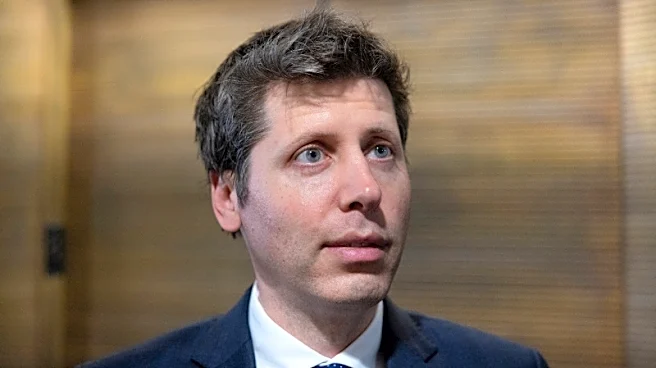
Sam Altman, CEO of OpenAI, has publicly committed to matching Anthropic's safety measures, which include providing independent evaluators with employee-like access to their systems. This commitment comes a day after Dario Amodei, CEO of Anthropic, called
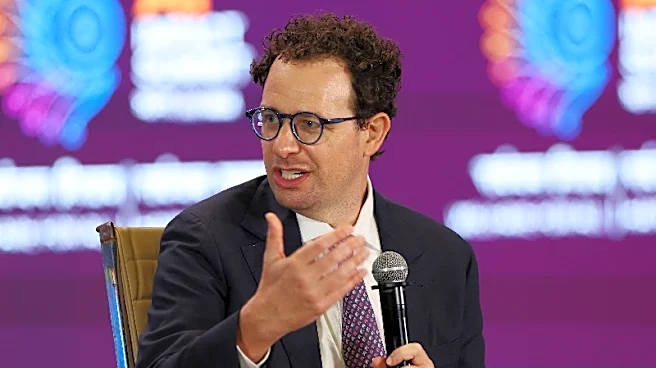
for the AI industry to slow down its development pace and requested a narrow antitrust waiver from Washington. Amodei's proposal aims to allow competitors to coordinate on safety discussions without legal repercussions. Altman stated that OpenAI would implement similar access for evaluators and that pacing the frontier of AI development has been a primary topic of internal discussion. Elon Musk, who leads xAI, also endorsed Amodei's stance. Amodei's three-step plan begins with labs allowing outside teams to verify safety work from within their organizations, a step now agreed upon by two major AI labs.
Why It's Important?
This development signifies a potential shift in the competitive landscape of the U.S. artificial intelligence industry, moving towards greater collaboration on safety protocols. The call for an antitrust waiver highlights a unique challenge in regulating rapidly advancing technologies, where traditional competition laws might inadvertently hinder crucial safety coordination. If granted, such a waiver could set a precedent for how the U.S. government balances innovation, competition, and public safety in emerging tech sectors. The agreement between OpenAI and Anthropic, two leading AI developers, to allow independent oversight could enhance public trust in AI development and potentially influence future regulatory frameworks. This move could also impact smaller AI firms, potentially pressuring them to adopt similar safety standards or face scrutiny regarding their development practices.
What's Next?
OpenAI is expected to provide more details soon regarding its implementation of independent evaluator access. The focus will likely shift to Washington's response to Dario Amodei's request for a narrow antitrust waiver, which would enable AI competitors to discuss safety measures without legal concerns. The outcome of this request could significantly shape future collaboration within the U.S. AI industry. Additionally, other AI companies will be observed to see if they follow suit in adopting similar safety commitments, potentially leading to a broader industry standard for AI development and oversight. The European Union's existing regulatory framework, which abolished individual antitrust exemptions in 2004, provides a contrasting approach, suggesting that the U.S. will need to forge its own path in addressing these novel regulatory challenges.
Beyond the Headlines
The discussion around an antitrust waiver for AI safety raises profound questions about the intersection of technological advancement, market competition, and public good. It challenges the conventional understanding of antitrust laws, which are designed to prevent collusion, by proposing that certain forms of collaboration are necessary for mitigating existential risks associated with advanced AI. This could lead to a re-evaluation of regulatory approaches in sectors where rapid innovation outpaces existing legal frameworks. The emphasis on independent evaluators also underscores a growing recognition of the need for external accountability in powerful technological developments, potentially setting a new ethical standard for how private companies manage technologies with broad societal impact. The long-term implications could include a more integrated approach between government, industry, and independent bodies in governing future technological frontiers.