






What's Happening?
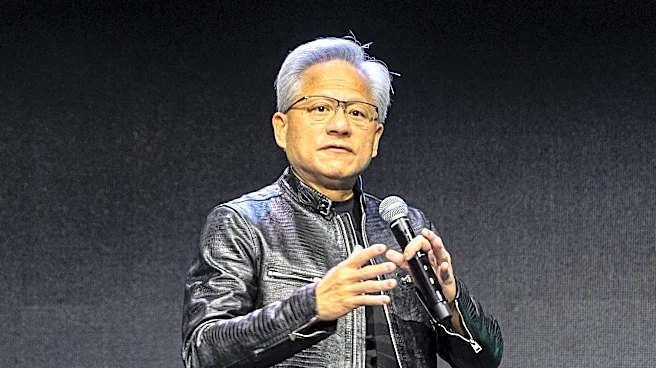
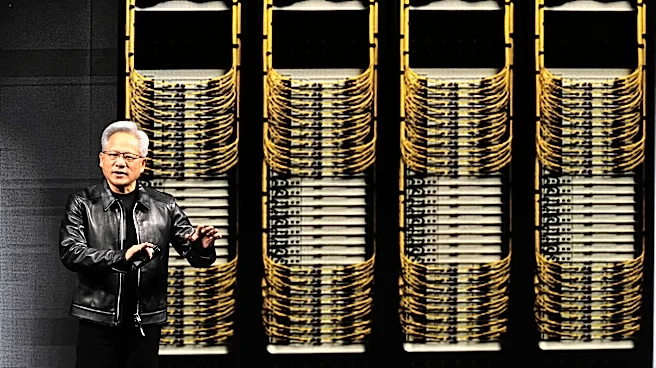
Nvidia has engaged the law firm Wachtell Lipton to conduct an internal investigation into its CEO, Jensen Huang. This action comes as the company faces scrutiny from the U.S. government regarding Huang's alleged connections to a Chinese intelligence asset.
The central concern is whether this relationship facilitated China's access to restricted microchip technology. The investigation aims to determine the nature and extent of these alleged ties and their potential impact on national security and compliance with U.S. regulations. The company's decision to retain a prominent law firm like Wachtell Lipton indicates the seriousness with which it is addressing these allegations and the potential legal and reputational risks involved. The U.S. government's focus on this matter underscores the heightened tensions surrounding technology transfer and national security in the context of U.S.-China relations.
Why It's Important?
This investigation is highly significant for Nvidia, the broader technology sector, and U.S. national security. For Nvidia, a leading semiconductor company, the allegations could lead to severe penalties, including fines, restrictions on its operations, and significant damage to its reputation and market standing. The scrutiny highlights the increasing pressure on U.S. technology companies to ensure their operations and leadership are not compromised by foreign influence, particularly from strategic competitors like China. This event also underscores the U.S. government's aggressive stance on preventing the transfer of advanced technology to China, which it views as critical for maintaining its technological and military edge. The outcome of this investigation could set precedents for how U.S. companies manage relationships with foreign entities and individuals, especially in sensitive technological sectors. It also signals a tightening regulatory environment for technology exports and international collaborations.
What's Next?
The internal investigation by Wachtell Lipton will proceed, likely involving a thorough review of communications, financial records, and other relevant data related to CEO Jensen Huang's alleged ties. Depending on the findings, Nvidia may face further actions from U.S. regulatory bodies, including the Department of Justice or the Department of Commerce. The company might need to implement stricter compliance protocols and potentially make changes to its leadership or operational structure to mitigate future risks. This situation could also prompt other U.S. technology companies to review their own internal policies and relationships with foreign entities to preempt similar scrutiny. The broader U.S.-China technology rivalry is expected to intensify, with increased vigilance over technology transfers and intellectual property. The resolution of this case will likely influence future U.S. policy decisions regarding technology trade and national security.
Beyond the Headlines
The Nvidia investigation delves into the complex and often opaque world of corporate espionage and national security in the digital age. It raises profound questions about the ethical responsibilities of corporate leaders, particularly when their personal connections intersect with geopolitical interests. The case highlights the dual-use nature of advanced microchip technology, which can serve both commercial and military applications, making its control a critical national security imperative. This incident could also expose vulnerabilities in corporate governance structures, particularly in how companies vet and monitor the foreign connections of their executives. The long-term implications could include a redefinition of corporate loyalty and national interest, pushing companies to prioritize national security concerns over purely commercial objectives. It also underscores the challenges of operating in a globalized economy where technological leadership is increasingly intertwined with geopolitical power struggles.