


What's Happening?
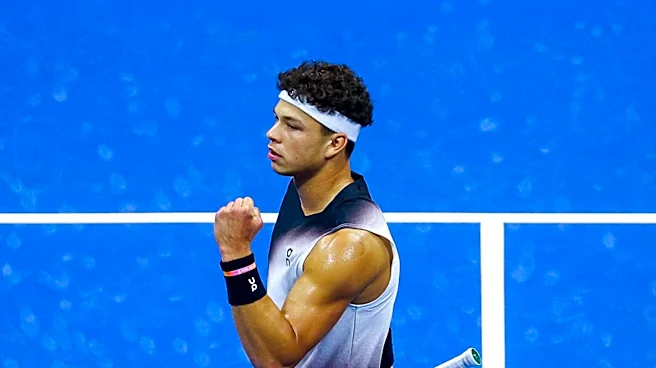
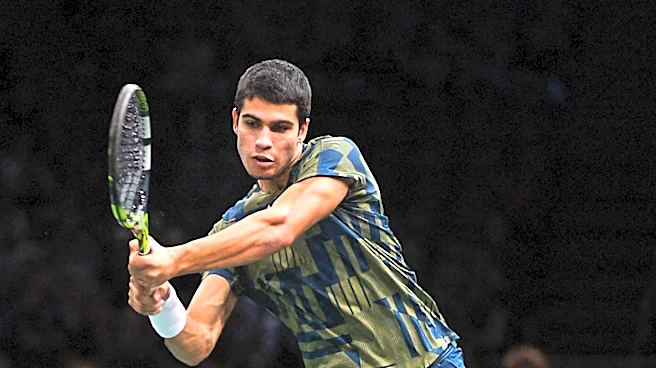
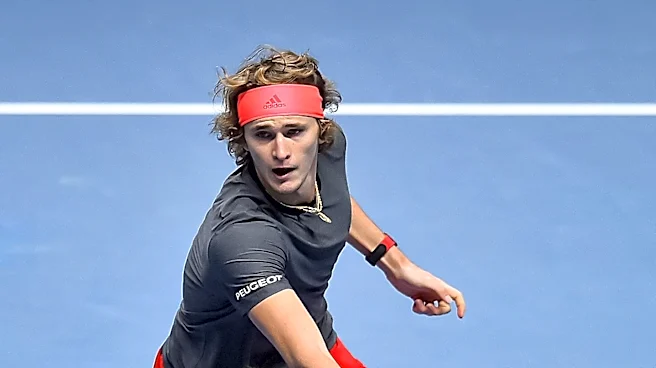
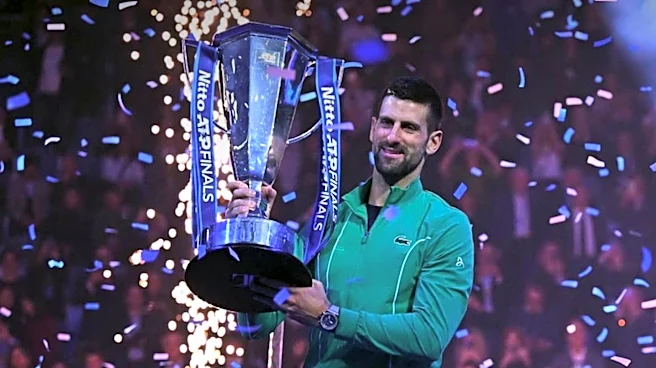
The ATP Tour Finals in Turin, Italy, featured its elite eight players making a significant fashion statement during their pre-tournament 'Blue Carpet Singles Celebration.' Players such as Alexander Zverev, Carlos Alcaraz, Ben Shelton, Daniil Medvedev,
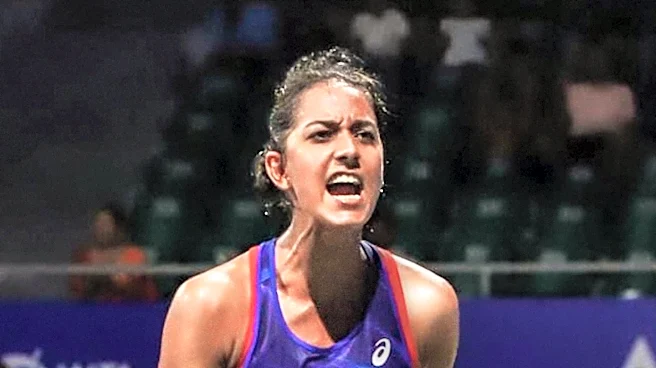
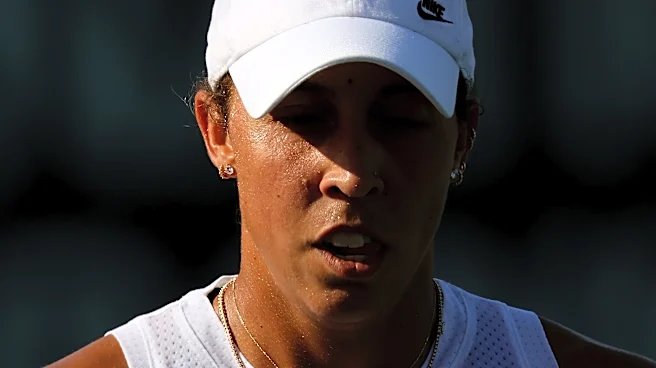
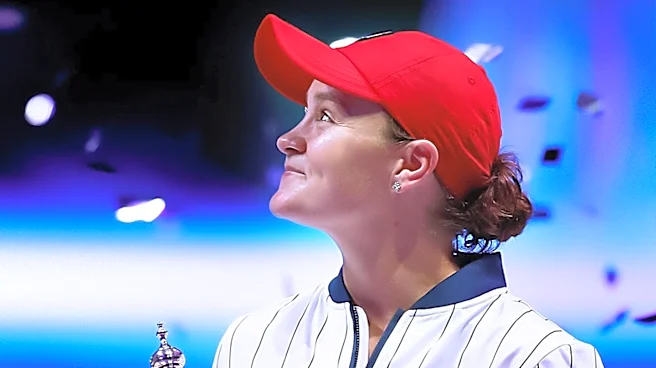
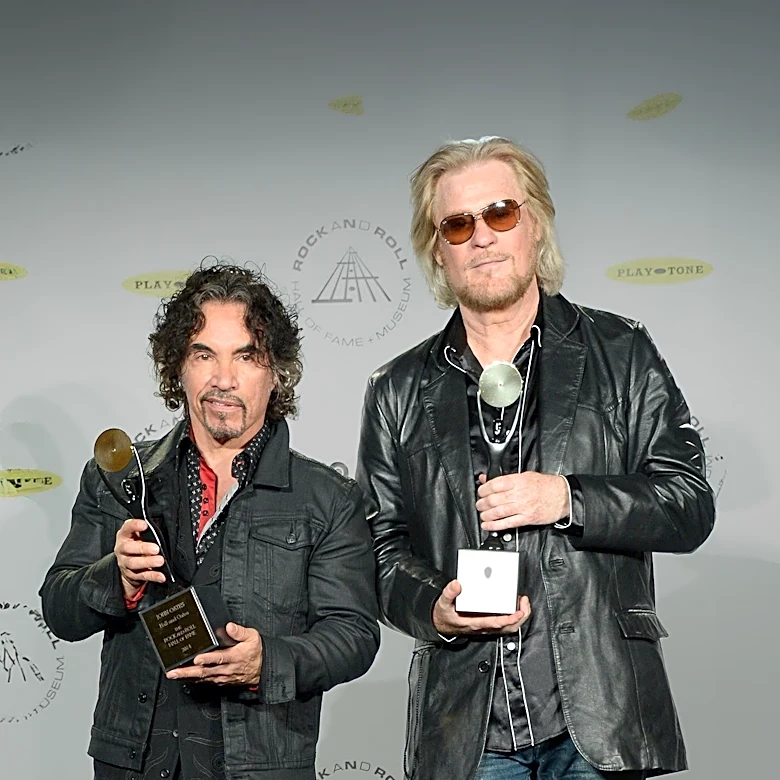
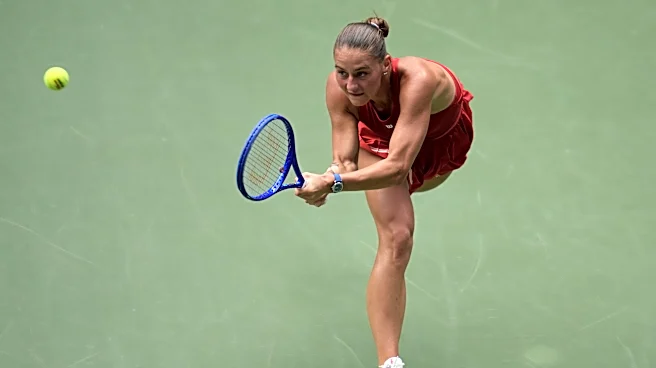
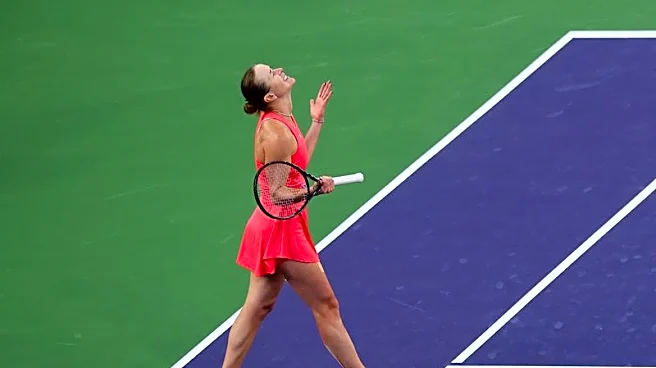
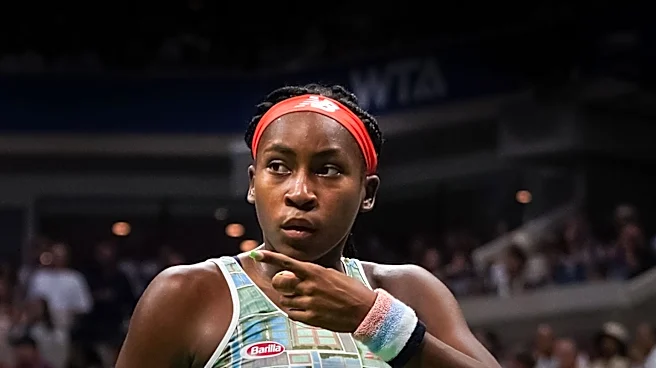
Flavio Cobolli, Arthur Fils, Frances Tiafoe, and Rafael Jodar arrived in luxury cars and posed at a Hollywood-style Stargate installation, showcasing sleek and sophisticated attire. Medvedev wore a full-length coat, Cobolli a leather jacket, Fils a black tuxedo with sunglasses, and Tiafoe, Zverev, and Shelton double-breasted suits. This event contrasted sharply with the WTA Finals' pre-tournament gathering, where players opted for a more casual approach, focusing on personalities rather than high fashion. The WTA event also lacked a full group photo due to reported refusals by some players to be photographed together.
Why It's Important?
This divergence in pre-tournament presentation highlights a potential shift in how professional tennis tours market their athletes and events. The ATP's emphasis on high fashion and individual style could attract a broader audience, including those interested in lifestyle and celebrity culture, potentially increasing viewership and sponsorship opportunities. For the WTA, a more casual approach might prioritize relatability and authenticity, but it risks being overshadowed in the broader media landscape, especially when competing for attention with other major sporting events. The fashion choices and event atmosphere contribute to the overall brand image of each tour, influencing public perception and engagement. The absence of a full group photo at the WTA event also underscores underlying geopolitical tensions that can impact sports diplomacy and public relations.
What's Next?
The ATP's successful fashion-forward event may encourage other sports leagues to invest more in pre-event spectacles and player branding beyond the athletic competition. This could lead to increased collaborations between sports organizations and fashion houses, further blurring the lines between sports and entertainment. For the WTA, there might be internal discussions about how to balance player comfort and personality with the desire for a more glamorous public image, especially given past instances of high-fashion events. Future pre-tournament events for both tours will likely be scrutinized for their ability to generate buzz and attract diverse audiences, potentially influencing marketing strategies and player engagement policies.
Beyond the Headlines
The contrasting approaches to pre-tournament events reflect broader cultural trends in celebrity and public image management. The ATP's embrace of high fashion aligns with a growing trend of athletes becoming style icons and influencers, leveraging their platforms beyond their sport. This can lead to significant personal branding opportunities for players and increased commercial value for the tour. Conversely, the WTA's more casual event, while potentially more authentic, might inadvertently cede ground in the competitive landscape of media attention. The reported refusal of some WTA players to be photographed together also points to the complex interplay of international politics and sports, where personal and national identities can impact professional interactions and public perception.