








What's Happening?
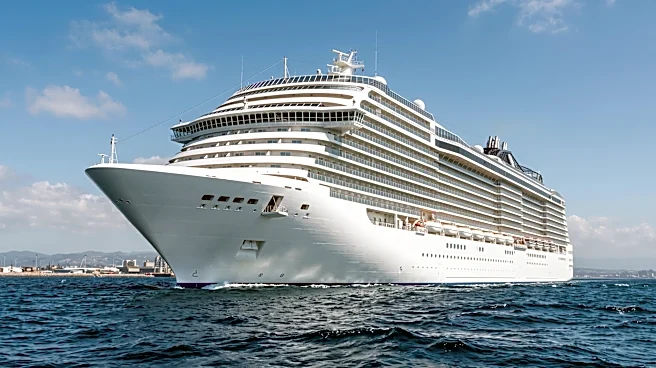
Carnival Cruise Line is significantly reducing its presence in Australia, with the Carnival Luminosa and Carnival Adventure scheduled to make their final voyages from Sydney in March 2028 and not return. This decision marks a substantial change from previous
plans for these ships to split their time between Australia and North America. Carnival attributes this retreat to a lack of long-term certainty and globally competitive operating conditions in Australia. Country manager Peter Little highlighted that as the only line with year-round dedicated ships, Carnival faces greater exposure to local market and operating conditions. The company previously cited more favorable conditions elsewhere and an uncertain regulatory environment in Australia and New Zealand as contributing factors.
Why It's Important?
Carnival's decision to scale back its Australian operations is a critical warning for the country's cruise industry and regulatory bodies. The cruise industry contributes over $7 billion annually to the Australian economy and supports more than 22,000 jobs, impacting travel agents, hotels, restaurants, and tourism operators. The withdrawal of ships due to regulatory uncertainty and rising costs could lead to significant economic losses and job insecurity. This move underscores the importance of stable, predictable, and competitive policy settings for attracting and retaining international businesses. If Australia fails to address these concerns, it risks losing its competitiveness in the global cruise market, potentially leading to a pattern of other cruise lines reducing or withdrawing their services, despite high demand from passengers.
What's Next?
The Australian government has a two-year window, until the end of 2028, to establish a long-term solution for the cruise industry's operating framework. The current extension of the Coastal Trading Act cruise exemption is viewed as an interim measure, and a licensing regime is still under design. The industry, through organizations like CLIA, will continue to advocate for a workable and viable framework. The review process must be swift, consultative, and deliver policy settings that restore Australia's ability to attract cruise ships. Failure to provide certainty could lead to further withdrawals of ships, impacting regional ports and the broader tourism sector. The decisions made in the next two years will determine Australia's future as a competitive destination in the global cruise market.
Beyond the Headlines
Carnival's retreat from Australia highlights a broader issue of how regulatory environments can influence global capital allocation. The cruise industry, with its long-term asset deployment (ships are 30-year assets), prioritizes predictable and stable operating conditions. When a country's regulatory landscape is perceived as uncertain or uncompetitive, capital can be easily redeployed to more favorable markets. This situation could trigger a re-evaluation of regulatory frameworks in other sectors and countries that rely on international investment. It also raises questions about the balance between national regulatory control and the need to remain globally competitive. The long-term implications could include a shift in global tourism patterns and a greater emphasis on regulatory stability as a key factor in investment decisions for industries with mobile assets.