


What's Happening?
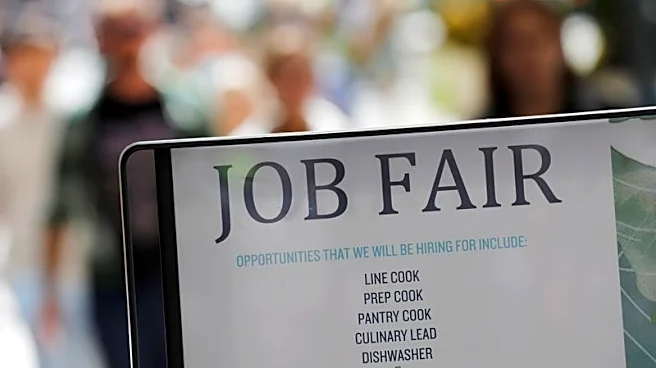
The Bureau of Labor Statistics is set to release the July jobs report, with expectations of a modest gain of 83,000 nonfarm payrolls and an unchanged unemployment rate of 4.2%. This follows a slow June, which saw a gain of just 57,000 jobs. Economists
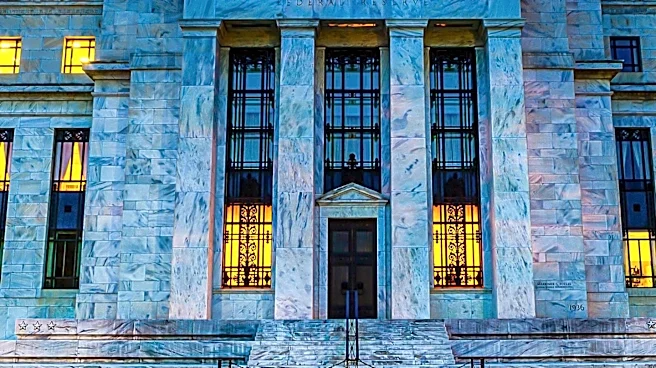
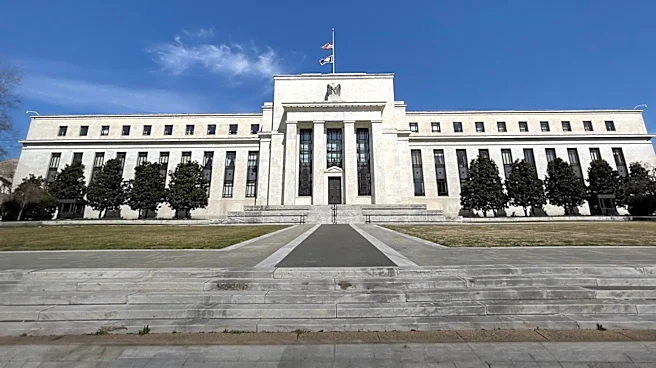
are closely monitoring labor force participation, wage growth, and sectoral contributions to assess the labor market's health. The Federal Reserve's focus remains on inflation, with potential interest rate hikes on the horizon. The labor force participation rate recently fell to its lowest since March 2021, raising concerns about the availability of opportunities for young workers.
Why It's Important?
The anticipated stability in job growth and unemployment rates reflects ongoing challenges in the labor market, particularly in light of inflationary pressures. The Federal Reserve's potential interest rate adjustments could have significant implications for economic policy and market stability. The decline in labor force participation, especially among prime-age workers, highlights structural issues that may affect long-term economic growth. Understanding these dynamics is crucial for policymakers and businesses as they strategize to foster a robust and inclusive labor market.
What's Next?
Economists and policymakers will be analyzing the July jobs report for insights into labor market trends and inflationary pressures. The Federal Reserve's response to these findings, particularly regarding interest rate decisions, will be closely watched. Additionally, the potential for changes in labor force participation and wage growth will inform future economic strategies. Businesses and investors will need to adapt to these developments to navigate the evolving economic landscape effectively.