


What's Happening?
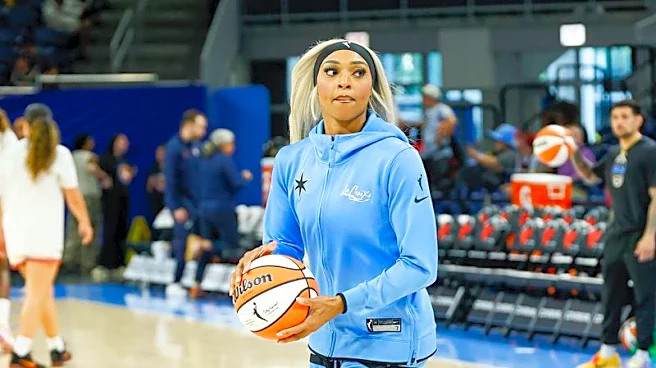
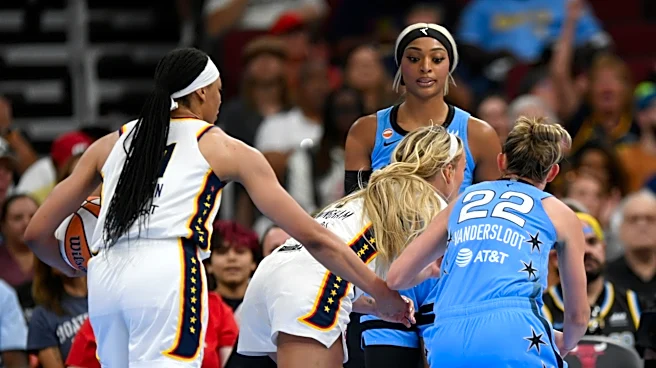
The WNBA is under scrutiny for alleged racial disparities in officiating, which critics argue endanger Black players while favoring white athletes. The controversy intensified following a game between the Indiana Fever and the Chicago Sky, where player DiJonai
Carrington was ejected after a physical altercation with Sophie Cunningham. Carrington's ejection, perceived as unjust, sparked accusations of racial bias, as Cunningham was not penalized despite her involvement. The league's decision to rescind a technical foul against Caitlin Clark, a white player, further fueled claims of preferential treatment. Critics argue that the WNBA's actions contribute to a hostile environment for Black players, who face both on-court and digital threats.
Why It's Important?
This situation highlights ongoing concerns about racial equity in professional sports, particularly in the WNBA, which prides itself on diversity and inclusion. The perceived bias in officiating not only affects the integrity of the game but also raises safety concerns for Black players, who are reportedly more vulnerable to both physical and digital harassment. The league's handling of these incidents could impact its reputation and relationship with players and fans, particularly those advocating for racial justice. The controversy underscores the need for transparent and equitable governance in sports organizations to ensure fair treatment for all athletes.
What's Next?
The WNBA may face increased pressure to address these allegations and implement measures to ensure fair officiating and player safety. This could involve revising officiating guidelines, enhancing training for referees, and establishing clearer protocols for handling racial bias complaints. The league's response will be closely watched by players, fans, and advocacy groups, potentially influencing future policies and the overall culture within the WNBA. Failure to address these issues could lead to further criticism and impact the league's efforts to expand its audience and market presence.
Beyond the Headlines
The controversy touches on broader societal issues of racial inequality and the role of sports in addressing or perpetuating these disparities. The WNBA's response could set a precedent for how professional sports leagues handle similar issues, influencing public perception and policy. The situation also highlights the intersection of sports, race, and media narratives, as the portrayal of athletes can shape public opinion and impact their careers. The league's actions may prompt discussions about the responsibilities of sports organizations in promoting social justice and equity.