







What's Happening?
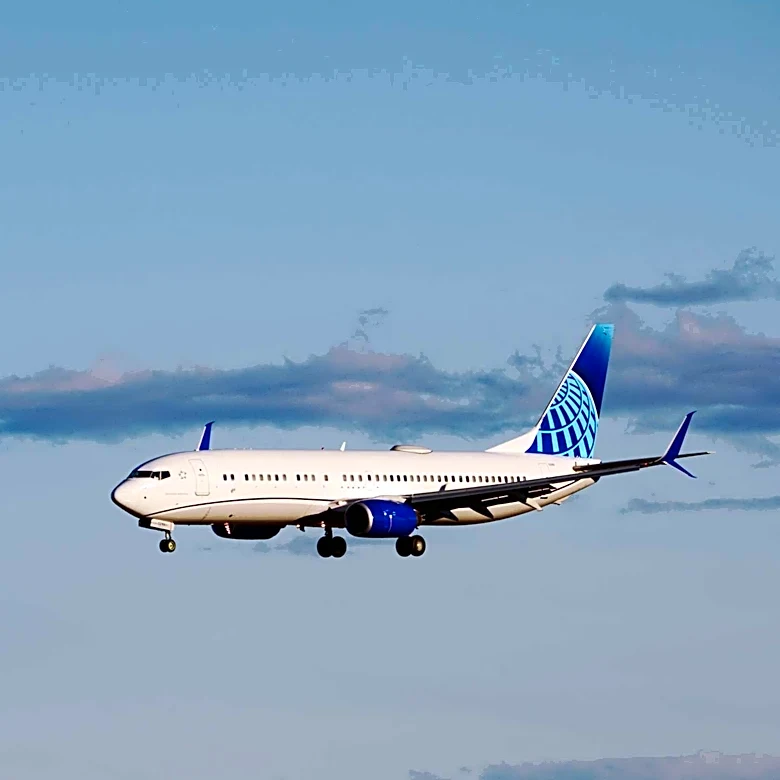
A new trend in the U.S. airline industry is emerging with the introduction of 'basic' business-class fares. These fares offer a more affordable option for premium travel by removing certain amenities traditionally included in business-class tickets. Airlines
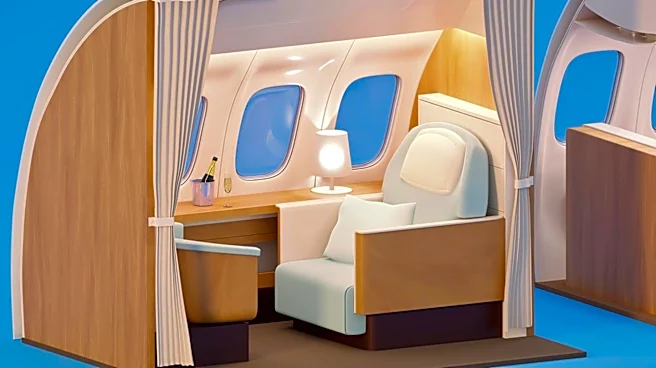
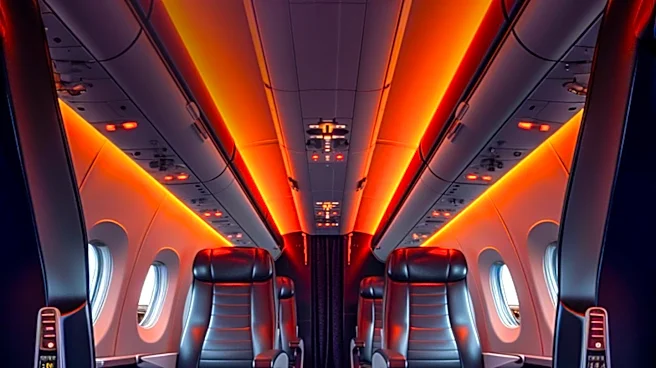
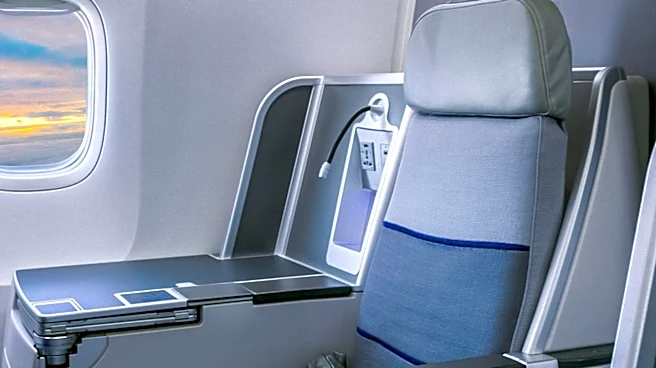
such as United and Delta have started offering these unbundled fares, which maintain the core in-flight experience like lie-flat beds and enhanced meals but exclude perks such as lounge access, seat selection, and priority check-in. This move aims to provide more choices for travelers who prioritize the in-flight experience over additional services. However, the price difference between basic and standard business-class fares is often minimal, raising questions about the value of these new options.
Why It's Important?
The introduction of 'basic' business-class fares could significantly impact the airline industry by altering consumer expectations and pricing strategies. For travelers, this offers a more budget-friendly way to experience business-class travel, potentially increasing the number of passengers willing to upgrade from economy. However, it also raises concerns about the future of all-inclusive fares, as airlines may continue to unbundle services, leading to higher costs for fully loaded tickets. This trend could influence other sectors, such as corporate travel, where companies might opt for cheaper business-class options to reduce expenses.
What's Next?
As airlines continue to roll out these basic business-class fares, consumer response will be crucial in determining their success. Airlines may need to adjust their offerings based on feedback and competitive pressures. Additionally, there could be regulatory scrutiny if these changes lead to significant consumer dissatisfaction or if the unbundling trend spreads to other service classes. The industry will likely monitor the impact on customer loyalty and overall revenue, potentially leading to further innovations in fare structures.