









What's Happening?
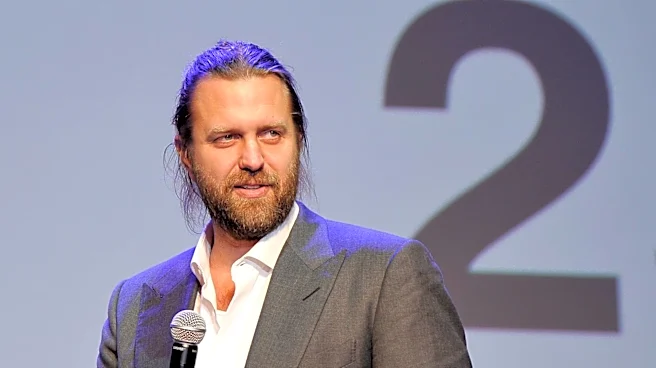
Carl Erik Rinsch, director of the film '47 Ronin,' has been sentenced to 30 months in federal prison for defrauding Netflix of $11 million. The U.S. District Court in New York found Rinsch guilty of wire fraud and money laundering. Prosecutors revealed
that Rinsch misappropriated funds intended for a Netflix sci-fi show, 'White Horse,' transferring the money into personal accounts and spending it on luxury items and risky investments. Despite claiming the show's progress, Rinsch never completed the project. His defense cited mental health struggles as a factor in his actions. In addition to prison time, Rinsch must forfeit the $11 million and serve three years of supervised release.
Why It's Important?
This case underscores the legal and ethical responsibilities of filmmakers and the potential consequences of financial misconduct in the entertainment industry. Rinsch's actions not only resulted in significant financial loss for Netflix but also highlight the risks companies face when investing in high-budget projects. The sentencing serves as a deterrent to others in the industry, emphasizing that fraudulent activities will be prosecuted. For Netflix, this case may lead to more stringent oversight and due diligence in future collaborations, impacting how streaming services manage and monitor their investments.
What's Next?
Following the sentencing, Rinsch will begin his prison term, with the possibility of further legal actions if additional financial discrepancies are uncovered. Netflix may review its contractual and financial oversight processes to prevent similar incidents. The entertainment industry might see increased scrutiny on project funding and management, potentially affecting how deals are structured and monitored. Rinsch's case could also prompt discussions on mental health support for industry professionals, considering his defense's emphasis on mental health issues.