








What's Happening?
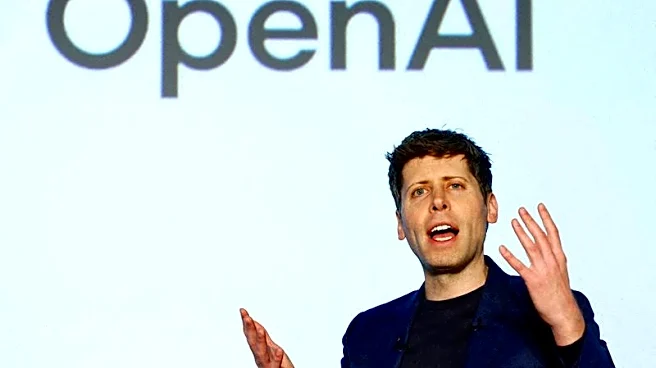
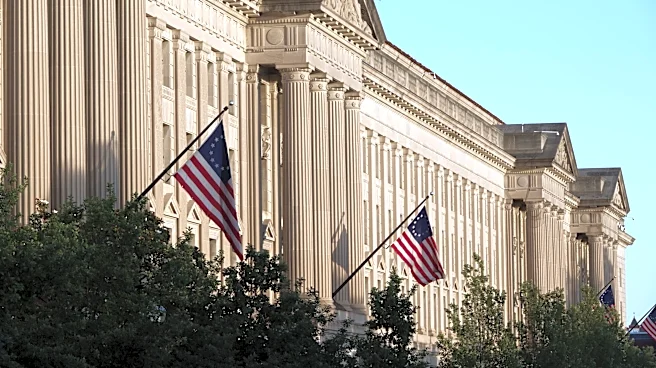
The U.S. Department of Commerce has granted OpenAI the regulatory approval to proceed with the broad release of its advanced GPT-5.6 model. This decision follows a phased approach initially adopted by OpenAI, which limited access to a select group of trusted
partners to ensure compliance with federal oversight. The rollout is expected to occur soon, following additional testing and meetings with government officials. This development comes as the Trump administration takes a more hands-on approach to AI regulation, aiming to assess model capabilities before a full-scale release. OpenAI's domestic competitor, Anthropic, recently faced similar regulatory challenges, which were resolved last week, allowing them to resume operations.
Why It's Important?
The approval for GPT-5.6's rollout is significant as it highlights the U.S. government's increasing involvement in AI regulation, reflecting a cautious approach to the deployment of advanced AI technologies. This regulatory environment could impact the pace of AI innovation and market competition, particularly as Chinese competitors like Zhipu gain ground with more accessible models. The decision underscores the balance between fostering technological advancement and ensuring ethical and safe AI deployment. Companies in the AI sector must navigate these regulatory landscapes, which could influence their strategic decisions and market positioning.
What's Next?
OpenAI is expected to continue its rollout of GPT-5.6, with further testing and government consultations. The AI industry will likely monitor the U.S. regulatory stance closely, as it could set precedents for future AI developments. Stakeholders, including tech companies and policymakers, may engage in discussions to refine AI regulations, balancing innovation with public safety and ethical considerations. The competitive dynamics between U.S. and international AI firms may also evolve, influenced by regulatory decisions and market access.