



What's Happening?
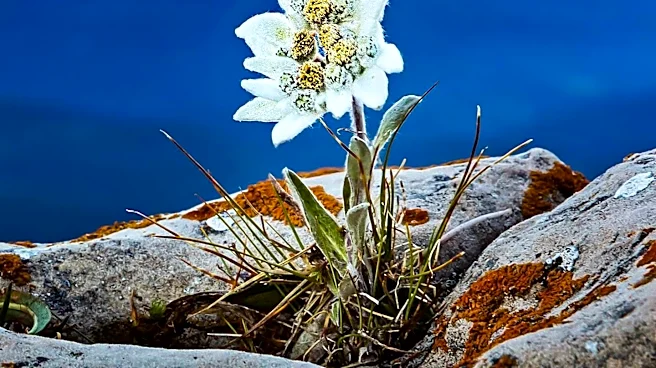
The edelweiss flower, known for its star-shaped, velvety appearance, is gaining popularity among gardeners for its unique aesthetic and storied past. Native to the Alps, edelweiss thrives in rocky, nutrient-poor soil and can withstand temperatures as low as minus
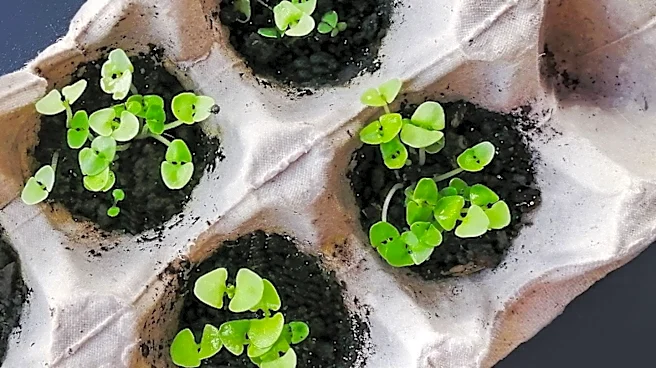
20 degrees Fahrenheit. The flower's cultural significance is highlighted by its mention in the song 'Edelweiss' from the 1965 movie 'The Sound of Music.' Gardeners interested in cultivating edelweiss should ensure conditions mimic its natural habitat, including alkaline soil, full sunlight, and cold winters. The plant is suitable for horticultural zones 4-7 and requires minimal fertilization. Edelweiss can be grown from seeds or starter plants, with seeds needing stratification to germinate.
Why It's Important?
The resurgence of interest in edelweiss highlights a broader trend in gardening towards cultivating plants with historical and cultural significance. This trend reflects a growing appreciation for biodiversity and the preservation of plant species that are not only aesthetically pleasing but also carry rich narratives. For gardeners, edelweiss offers a low-maintenance option that can add a touch of the exotic to rock gardens. Its ability to thrive in harsh conditions makes it an ideal choice for areas with poor soil quality, potentially expanding the range of plants that can be successfully grown in such environments. This could lead to increased biodiversity in home gardens and public spaces.