



What's Happening?
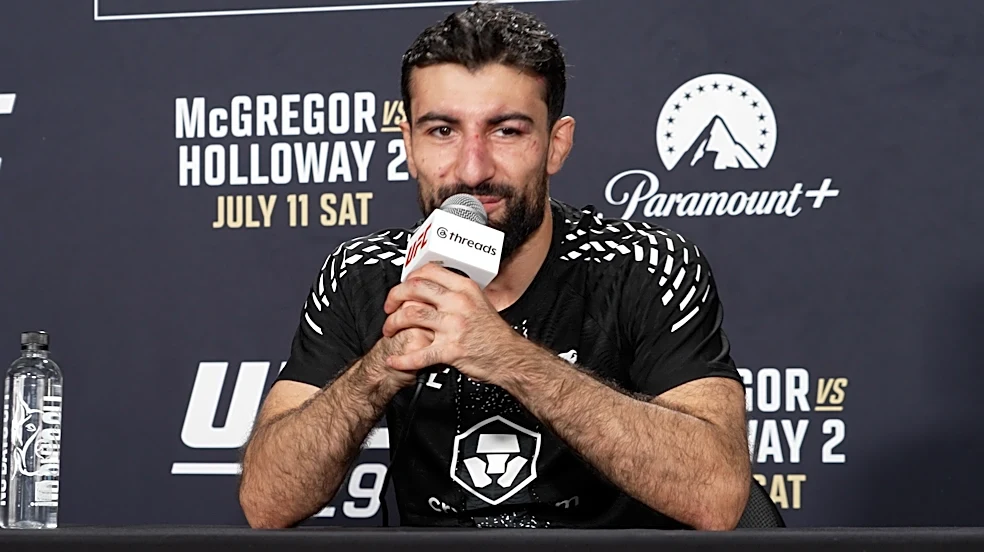
UFC fighter Muhammad Mokaev has publicly stated that he blames TKO Group Holdings and Paramount for recent fighter exits from the UFC, rather than UFC President Dana White. Mokaev's comments suggest a belief that corporate decisions made by the parent
company (TKO) and its media partner (Paramount) are the primary drivers behind fighters being released or leaving the promotion. This perspective contrasts with common narratives that often place the responsibility for such decisions directly on White or the UFC's matchmaking team. Mokaev's remarks come amidst ongoing discussions within the MMA community regarding fighter contracts, compensation, and the overall business practices of the UFC under its current ownership structure.
Why It's Important?
Muhammad Mokaev's attribution of fighter exits to TKO and Paramount is significant because it shifts the focus from individual UFC management to broader corporate influences. This perspective highlights the increasing corporate control over the UFC since its acquisition and subsequent merger into TKO Group Holdings. It suggests that financial and strategic decisions made at a higher corporate level, potentially influenced by media partnerships like Paramount, might be impacting fighter rosters and career trajectories. This could have implications for how fighters perceive their relationship with the promotion and could fuel ongoing debates about fighter rights, unionization, and the balance of power between athletes and corporate entities in professional sports. It also provides an alternative viewpoint on the reasons behind fighter departures, moving beyond purely performance-based explanations.
What's Next?
Mokaev's comments may spark further discussion among fighters and media regarding the influence of TKO and Paramount on UFC operations. It could encourage other fighters to voice similar concerns or prompt further scrutiny into the decision-making processes at the corporate level. While there are no immediate announced changes in UFC policy or structure directly related to Mokaev's statements, such public commentary can contribute to a growing dialogue about fighter welfare and the business model of major sports organizations. The UFC continues to operate under its current structure, with upcoming events like UFC 333 and various Fight Nights scheduled, but the underlying tensions regarding corporate influence may persist.
Beyond the Headlines
Mokaev's statement delves into the complex interplay between sports entertainment, corporate ownership, and media partnerships. It underscores how the business of sports has evolved, with major promotions like the UFC becoming part of larger entertainment conglomerates. This corporate structure can introduce new layers of decision-making that may not always align with the traditional sports-centric views of athletes or fans. The involvement of media partners like Paramount also highlights the significant role that broadcasting rights and content strategies play in shaping a promotion's operational decisions, including roster management. This situation raises broader questions about the autonomy of sports leagues under corporate ownership and the potential for business objectives to influence athletic careers, leading to a more commercialized approach to athlete management and retention.