
What's Happening?
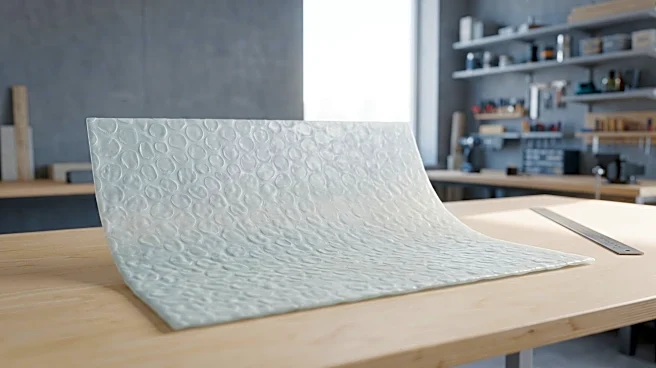
Discarded bubble wrap, typically made from low-density polyethylene, can be transformed into a dense, semi-rigid, and water-resistant material through a boiling process. When bubble wrap is immersed in boiling water,
the trapped air expands, and the polyethylene softens and contracts, causing the layers to fuse together. This process, which occurs at water's boiling point of 212°F (100°C), is below the material's full melting point (220°F-240°F) and thermal decomposition point, preventing the release of toxic fumes. The controlled heating allows the flexible polymer packaging to shrink and bond, creating a significantly denser composite than the original film. This method offers a way to upcycle a common household waste item into a durable material for various crafting and repair purposes.
Why It's Important?
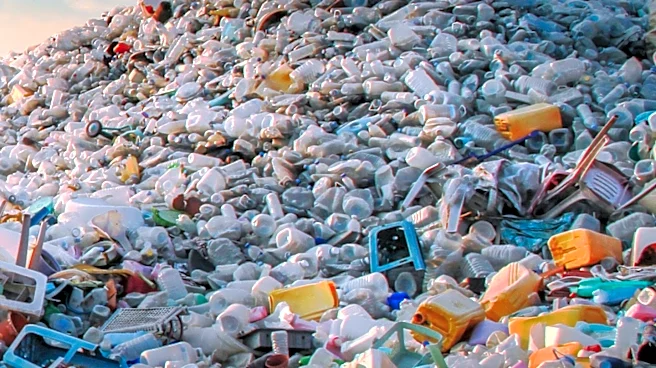
This innovative upcycling technique holds significance for waste reduction and sustainable practices within U.S. households and DIY communities. By converting flimsy, single-use plastic packaging into a robust, reusable material, it directly addresses the challenge of polyethylene waste, which often clogs traditional recycling machinery. The resulting material, which retains waterproof and rot-resistant qualities while gaining impact resistance, can be used for practical applications such as shielding surfaces, creating non-slip backings, or serving as structural inserts for home repairs. This method empowers individuals to minimize their environmental footprint by giving new life to materials that would otherwise end up in landfills, fostering a more circular economy at a grassroots level.
What's Next?
The adoption of this bubble wrap transformation method could lead to increased interest in home-based plastic upcycling and DIY projects. As awareness grows, more individuals and communities might explore similar techniques for repurposing other types of plastic waste. This could spur innovation in household waste management and encourage the development of new tools or guidelines for safe and effective at-home material transformation. Educational initiatives could emerge to teach these methods, potentially leading to workshops or online tutorials that promote sustainable crafting and repair. Furthermore, the success of such initiatives could influence manufacturers to consider the end-of-life potential of their packaging materials, encouraging designs that are more amenable to upcycling.
Beyond the Headlines
Beyond its immediate practical applications, this method highlights a broader shift in consumer attitudes towards waste and resourcefulness. It challenges the perception of 'trash' as an end product, instead viewing it as a raw material with untapped potential. This approach fosters a deeper connection to the lifecycle of products and encourages creative problem-solving for environmental challenges. Ethically, it promotes responsible consumption and reduces reliance on virgin materials, aligning with principles of sustainability and ecological stewardship. Culturally, it could contribute to a growing movement of 'maker' culture and self-sufficiency, where individuals are empowered to create and repair rather than solely consume, potentially influencing design and manufacturing practices in the long term.