





What's Happening?
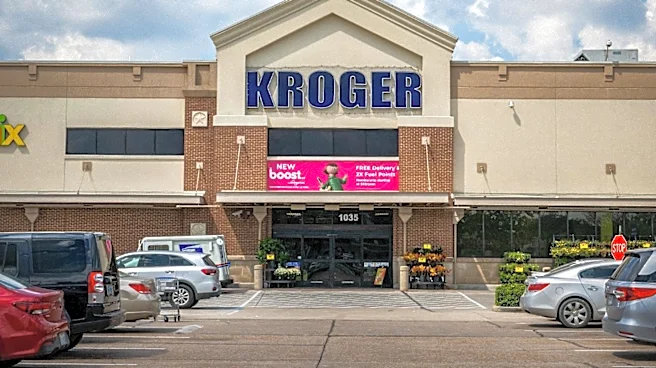
Kroger is transforming the grocery shopping experience by leveraging digital ad previews and personalized offers to help customers maximize savings. The company's weekly advertisement, now predominantly digital, provides a roadmap for consumers to navigate
sales, stack coupons, and compare prices effectively. These digital flyers are typically updated weekly, often starting on Sundays, and are organized by department to facilitate targeted shopping. A significant shift in Kroger's strategy involves personalizing these ads through its loyalty card system, the Plus Card. By analyzing purchasing patterns, Kroger generates unique digital ads tailored to individual shopping habits, matching promotions directly to consumer preferences. Shoppers can access their personalized ads by logging into their Kroger account via the website or mobile app, enabling location services, and utilizing the integrated digital coupon system to 'clip' offers directly to their loyalty account. While paper flyers are still available upon request, the digital version offers superior search functionality and instant coupon clipping.
Why It's Important?
This strategic shift by Kroger is important for several reasons. For consumers, it offers enhanced opportunities for savings through personalized deals and the ability to 'stack' sale prices with digital coupons and fuel points, potentially reducing costs significantly. The digital format also empowers shoppers to make more informed decisions by easily comparing unit prices and verifying deals against competitors. For Kroger, this approach allows for more efficient inventory management and targeted marketing, fostering customer loyalty by providing relevant promotions. The data collected through the Plus Card system offers valuable insights into consumer behavior, enabling Kroger to optimize its pricing strategies and promotional campaigns. However, the personalization aspect also raises concerns about transparency and potential dynamic pricing, where different customers might see varying prices for the same item, leading to questions about fairness and equal access to the best deals.
What's Next?
Kroger is expected to continue refining its digital advertising and personalization strategies, likely integrating more advanced analytics to further tailor offers and enhance the user experience. This could include more sophisticated 'flash sales' or 'app-only' deals that require real-time engagement. The company may also face ongoing scrutiny regarding the transparency of its personalized pricing algorithms, potentially leading to calls for clearer communication on how deals are presented to different customers. Consumers will need to remain vigilant in utilizing the available tools, such as price comparison apps and building personal price books, to ensure they are consistently getting the best value. Kroger's continued emphasis on digital engagement suggests a future where grocery shopping becomes an even more data-driven and personalized experience, requiring shoppers to actively engage with digital platforms to unlock maximum savings.
Beyond the Headlines
The evolution of Kroger's advertising strategy reflects broader trends in retail, where data analytics and personalization are becoming central to customer engagement. This shift raises deeper implications regarding consumer privacy and the ethics of algorithmic pricing. As retailers gather more data on individual purchasing habits, there's a growing potential for dynamic pricing models that could lead to price discrimination, where different customers pay different amounts for the same product based on their perceived willingness to pay. This could create a two-tiered shopping experience, where tech-savvy and data-aware consumers might consistently secure better deals than those less engaged with digital platforms. Furthermore, the reliance on personalized digital ads could exacerbate the digital divide, potentially disadvantaging individuals with limited access to technology or digital literacy. The long-term impact could be a retail landscape where personalized offers become the norm, fundamentally altering how consumers perceive value and fairness in pricing.